
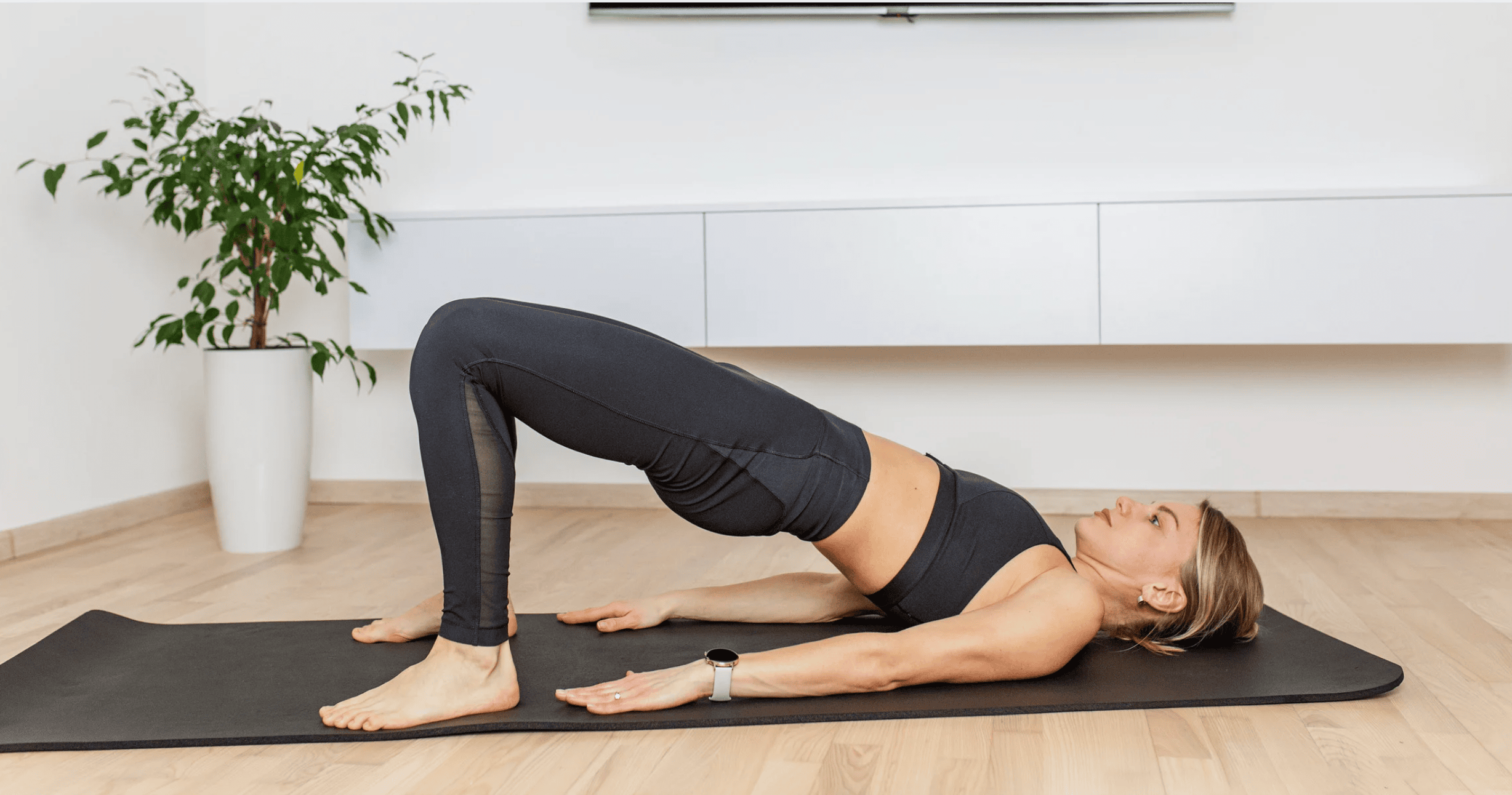
Maintaining strength and stability in your midsection isn’t just about having visible abs or a toned tummy. Beneath the surface lies a deeper system of muscles working hard to support your body, manage pressure, and keep your organs in place, especially the pelvic floor. While often used interchangeably, pelvic floor strength and core strength are not the same thing.
In this guide, we’ll break down the key differences between the pelvic floor and the core, how they’re connected, why both matter, and how Corelife Wellness helps clients in Oakville and Burlington, Ontario, address both for real-life results, whether you’re dealing with bladder leaks, recovering postpartum, or navigating perimenopause.
What Is the Pelvic Floor?
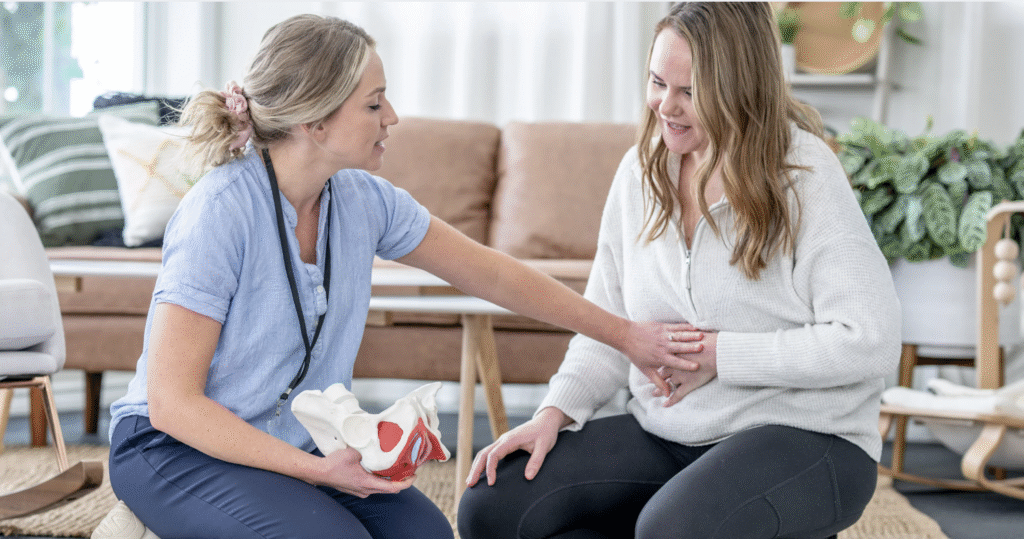
The pelvic floor is a group of muscles and connective tissues located at the base of the pelvis. Think of it like a hammock that stretches from the pubic bone to the tailbone, supporting the bladder, uterus (in women), rectum, and intestines.
The Pelvic Floor’s Key Jobs Include
- Bladder and bowel control
- Support for pelvic organs
- Sexual function
- Core stability and posture
When these muscles weaken or become too tight, problems can arise, like bladder leaks, pelvic pain, organ prolapse, or discomfort during intimacy.
Common causes of pelvic floor dysfunction
- Pregnancy and childbirth
- Hormonal changes (e.g., menopause)
- Prostate surgery (for men)
- Chronic constipation
- Heavy lifting or high-impact sports
- Aging or inactivity
What Is the Core?
Your core is a broader term that includes several muscle groups, not just the abs. The core refers to the muscles of the midsection that stabilize the spine and pelvis.
The Core Includes
- Rectus abdominis (six-pack muscles)
- Transverse abdominis (deepest abdominal muscles)
- Internal and external obliques
- Multifidus and erector spinae (back muscles)
- Diaphragm (for breathing)
- Pelvic floor muscles
That last one is key; the pelvic floor is part of the core.
Together, these muscles help with:
- Posture
- Breathing
- Stabilizing during movement
- Transferring energy between the upper and lower body
While the pelvic floor is part of the core, it has distinct responsibilities that affect both health and quality of life.
How the Pelvic Floor and Core Work Together
The pelvic floor and core work as a functional unit, along with the diaphragm and back muscles, in what researchers call the “inner core unit” or the core canister.
Here’s How They Coordinate
- The diaphragm draws air into the lungs during breathing.
- As abdominal pressure increases, the transverse abdominis and pelvic floor contract to manage it.
- The multifidus in the back helps maintain spinal stability.
When any one of these components is weak or uncoordinated—especially the pelvic floor—it affects the whole system. That’s why many people who have a “strong core” still experience leaks, prolapse, or lower back pain.
Scientific Insight
A 2018 review published in the Journal of Women’s Health Physical Therapy confirms that integrated core and pelvic floor rehab improves function more effectively than isolated abdominal strengthening.
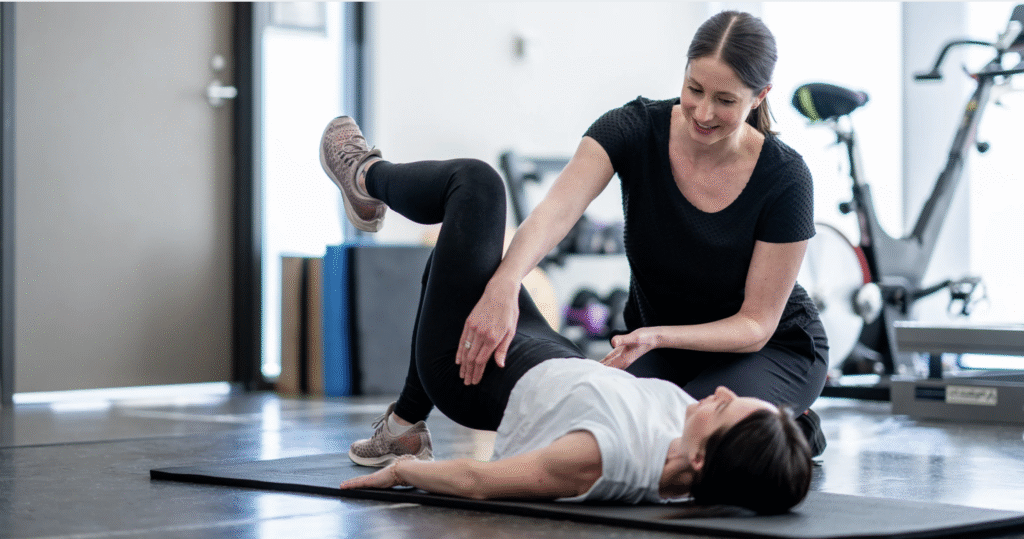
Why Both Pelvic Floor and Core Strength Matter At Every Stage of Life
For Postpartum Women
Pregnancy stretches and weakens both the pelvic floor and abdominal muscles (especially with diastasis recti). Restoring both is critical to:
- Prevent bladder leaks
- Heal core separation
- Regain strength for parenting tasks
For Perimenopausal & Menopausal Women
Hormonal shifts can cause muscle atrophy, leading to:
- Urinary incontinence
- Pelvic organ prolapse
- Lower back instability
For Men
After prostate surgery or due to aging, men may face:
- Urinary leakage
- Erectile dysfunction
- Core instability
In all cases, focusing only on “core” strength (like crunches) won’t solve the issue. In fact, overtraining the abs without pelvic floor coordination can worsen symptoms.
Signs You May Need Pelvic Floor and Core Support
- You leak urine when coughing, sneezing, laughing, or running
- You feel heaviness or a bulge in your pelvic area
- You’ve been diagnosed with diastasis recti
- You experience pelvic or lower back pain
- You struggle to engage your deep core during workouts
- You’re recovering from childbirth, surgery, or injury
- You feel disconnected from your body after hormonal changes
How Corelife Wellness Helps in Oakville & Burlington
At Corelife Wellness, we specialize in non-invasive, science-based pelvic health solutions that go beyond standard fitness routines.
Here’s how we support your pelvic floor and core
Emsella Chair (Bladder Control & Pelvic Floor Re-education)
Sit fully clothed in this FDA- and Health Canada-approved device that uses high-intensity electromagnetic energy to cause deep pelvic floor contractions (the equivalent of over 11,000 Kegels in one session).
Perfect for:
- Bladder leaks
- Urinary urgency or frequency
- Preventing prolapse
Venus Ab Rehab (Emsculpt for Core & Diastasis Recti)
This treatment targets both the transverse abdominis and rectus abdominis to reduce separation (diastasis recti) and rebuild deep core strength.
Perfect for:
- Postpartum moms
- Back pain relief
- Toning and muscle recovery
Pelvic Floor Physiotherapy (1:1 Personalized Support)
Our trained pelvic health physiotherapists create custom programs to retrain your inner core system, relieve pain, and restore function.
We work with:
- Women and men at any stage of life
- Men post-prostate surgery
- Women post pelvic surgery
- Individuals with chronic pain, prolapse, or core weakness
- & so many more!
Ongoing Wellness Support & Education
We guide you through breathing patterns, posture, exercise selection, and self-care habits to reinforce long-term results outside the clinic.
Why Choose Corelife Wellness?
- Trusted by the Oakville & GTA communities
- Friendly, professional, and discreet environment
- Advanced technologies and evidence-backed methods
- Personalized care, no cookie-cutter treatments
Whether you’re searching for “physiotherapy Oakville,” “pelvic health solutions Mississauga,” or “best physiotherapy Oakville Ontario,” Corelife Wellness stands out as a local leader in women’s health and core recovery.
Visit us at 3075 Hospital Gate, Oakville, convenient for clients in Burlington, Mississauga, and the surrounding Halton and Peel areas.