

Pelvic floor dysfunction is often treated as a purely muscular issue. But for many women and men in Oakville and Burlington, persistent symptoms such as bladder leaks, pelvic pressure, constipation, or core weakness may have another contributor: gut health.
Emerging research continues to show that digestion, inflammation, microbiome balance, and nutrition directly influence pelvic floor function. At Corelife Wellness, a trusted provider of pelvic health physiotherapy in Oakville, care goes beyond isolated muscle strengthening. Understanding the gut–pelvic floor connection can help patients achieve better long-term outcomes.
This guide explains how nutrition impacts pelvic health and what you can do to support both systems.
Understanding the Pelvic Floor
The pelvic floor is a group of muscles and connective tissues at the base of the pelvis. These muscles:
- Support the bladder, uterus (or prostate), and rectum
- Help control urination and bowel movements
- Contribute to sexual function
- Stabilize the core
When these muscles are weak, tight, or poorly coordinated, symptoms may include:
- Bladder leakage
- Pelvic pain
- Constipation
- Pain during intimacy
- Core instability
- Diastasis recti (abdominal separation)
Pelvic health physiotherapy addresses these concerns through targeted rehabilitation. However, muscle work alone may not resolve symptoms if digestive health is compromised.
The Gut–Pelvic Floor Relationship
The digestive system and pelvic floor share close anatomical and functional connections. The rectum sits directly above the pelvic floor. When digestion is disrupted, the pelvic floor must compensate.
Three primary pathways explain this connection:
1. Chronic Constipation and Straining
Constipation is one of the strongest risk factors for pelvic floor dysfunction.
Research published in Diseases of the Colon & Rectum shows that chronic straining increases intra-abdominal pressure, weakening pelvic tissues over time. Repeated straining can contribute to:
- Pelvic organ prolapse
- Worsening diastasis recti
- Hemorrhoids
- Bladder leakage
If bowel movements require effort, the pelvic floor muscles often become tight and dysfunctional rather than weak.
2. Gut Inflammation and Muscle Tension
Low-grade inflammation from poor diet, food sensitivities, or gut imbalance can influence muscle tone.
The gut microbiome communicates with the nervous system through what researchers call the “gut–brain axis.” When gut health is compromised, stress signals increase. Elevated stress hormones can lead to chronic muscle guarding, including in the pelvic floor.
Patients receiving physiotherapy in Oakville often report pelvic tension alongside digestive discomfort. Addressing both areas can significantly improve outcomes.
3. Abdominal Pressure and Core Stability
Gas, bloating, and digestive distress increase intra-abdominal pressure. The pelvic floor, along with the diaphragm and deep abdominal muscles, helps manage this pressure.
If digestion is frequently disrupted:
- The core cannot function optimally
- The pelvic floor may weaken or tighten
- Diastasis recti recovery may slow
For postpartum women, this is particularly important. Core rehabilitation must account for gut health to restore strength effectively.
Nutrition and Pelvic Health: What the Evidence Says
Several nutritional factors influence pelvic floor function.
Fiber Balance Matters
Adequate fiber intake supports regular bowel movements and reduces straining. According to the Institute of Medicine, women under 50 should aim for about 25 grams of fiber daily, while men should aim for 30–38 grams.
However, excess fiber without proper hydration can worsen bloating. A balanced approach is key.
Hydration Supports Muscle Function
Dehydration contributes to hard stools and constipation. Proper hydration:
- Supports bowel regularity
- Maintains muscle elasticity
- Improves connective tissue health
For patients attending physio in Oakville, Ontario, hydration is often one of the simplest improvements to make.
Protein for Tissue Repair
Pelvic floor rehabilitation involves muscle recovery and strengthening. Adequate protein intake supports:
- Muscle repair
- Collagen production
- Core rebuilding after pregnancy
This is especially important for women recovering from diastasis recti using treatments like Venus Ab Rehab at Corelife Wellness.
Anti-Inflammatory Foods
Chronic inflammation can impair muscle function and tissue integrity.
Research published in Nutrients highlights that diets rich in:
- Omega-3 fatty acids
- Leafy greens
- Berries
- Whole foods
may reduce systemic inflammation.
Reducing processed foods and added sugars may support pelvic pain reduction and overall healing.
Postpartum and Perimenopause: Why Nutrition Matters Even More
Postpartum Recovery
After childbirth, the pelvic floor and abdominal wall undergo significant strain. Digestive changes are common due to:
- Hormonal shifts
- Iron supplementation
- Reduced mobility
- Stress
Constipation during postpartum recovery can delay healing. A combined approach of pelvic health physiotherapy in Oakville and digestive support may accelerate results.
Perimenopause and Hormonal Changes
Estrogen influences collagen and the integrity of connective tissue. During perimenopause:
- Tissue elasticity may decline
- Bladder sensitivity may increase
- Gut motility may change
Nutrition that supports connective tissue health becomes even more important.
At Corelife Wellness, personalized pelvic health solutions in Oakville take these hormonal transitions into account.
Curious how this works in practice? Reach out to the Corelife Wellness team for a free consultation.
Wondering if pelvic floor therapy is right for you? Get in touch with Corelife Wellness and we’ll walk you through your options.
Signs Your Gut May Be Affecting Your Pelvic Floor
If you experience any of the following alongside pelvic symptoms, nutrition may be playing a role:
- Frequent bloating
- Constipation or irregular bowel movements
- Abdominal discomfort
- Straining during bowel movements
- Increased bladder leaks during digestive distress
Pelvic health physiotherapy is most effective when underlying contributors are addressed.
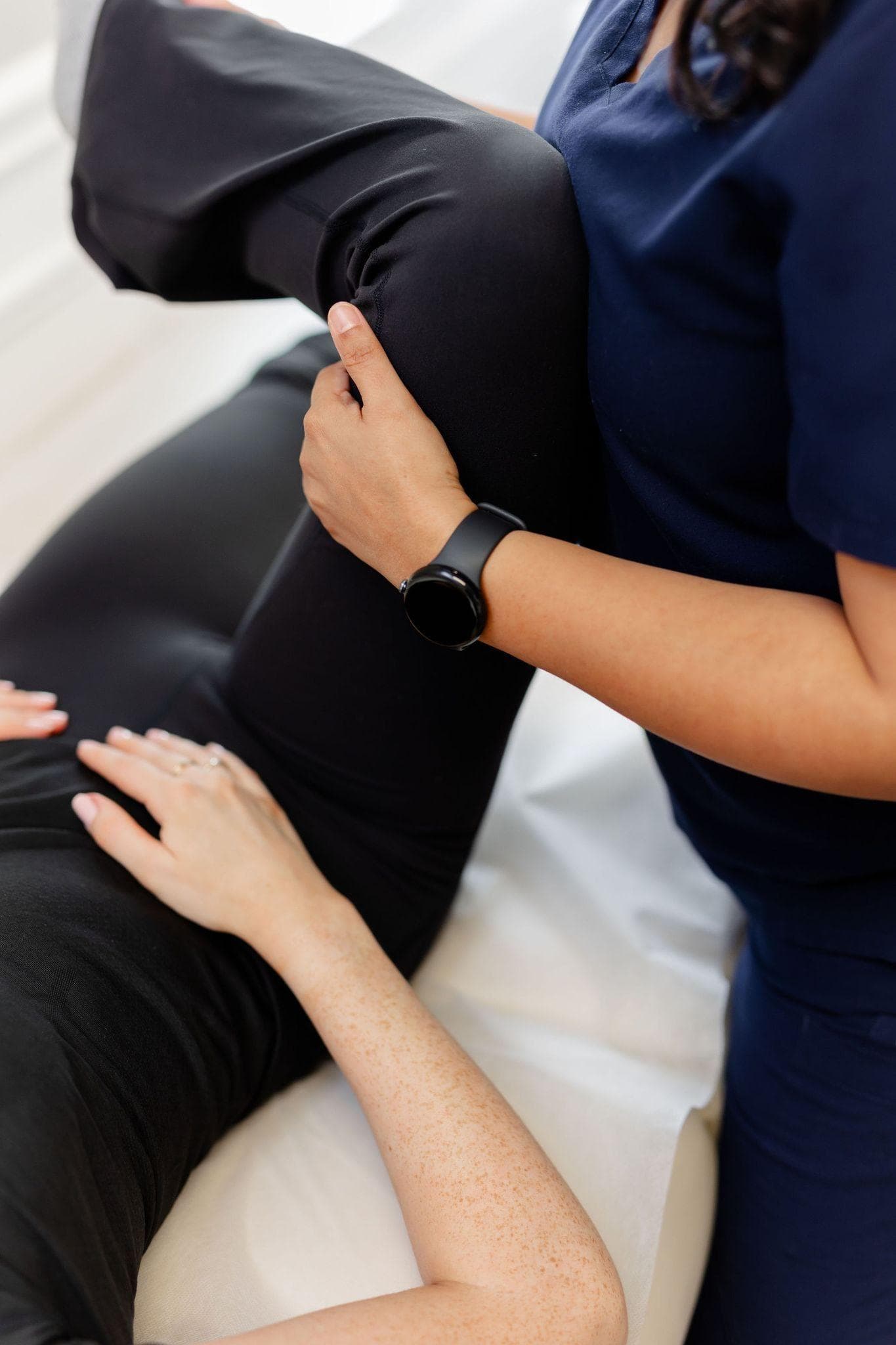
How Pelvic Health Physiotherapy and Nutrition Work Together
At leading physiotherapy clinics in Oakville, Ontario, a comprehensive approach produces better outcomes.
Corelife Wellness integrates:
- Pelvic physiotherapy
- Diastasis recti rehabilitation
- Emsella for bladder control
- Venus Ab Rehab for core strengthening
- Personalized wellness guidance
While physiotherapy strengthens and retrains the muscles, supportive nutrition reduces strain and inflammation.
Patients often find that combining both approaches improves:
- Bladder control
- Core strength
- Bowel function
- Confidence during exercise
Practical Nutrition Tips for Pelvic Floor Support
These evidence-based strategies may support pelvic and core health:
1. Prioritize Gentle Fiber Sources
Include:
- Oats
- Chia seeds
- Berries
- Cooked vegetables
Increase fiber gradually.
2. Hydrate Consistently
Aim for regular water intake throughout the day rather than large amounts at once.
3. Support Gut Diversity
Incorporate:
- Yogurt with live cultures
- Fermented foods
- Prebiotic fibers
Emerging research suggests a diverse microbiome may positively influence inflammation and muscle coordination.
4. Reduce Strain Triggers
Identify foods that cause bloating or constipation and adjust accordingly.
5. Coordinate Breathing and Bowel Movements
Pelvic physiotherapy teaches proper breathing mechanics to reduce straining.
Why Local Expertise Matters
If you are searching for:
- Pelvic Health Oakville
- Pelvic health physiotherapy
- Physio Oakville Ontario
- Physical therapy Oakville
- Best physiotherapy Oakville
Choosing a clinic that understands both muscle rehabilitation and lifestyle factors can make a meaningful difference.
Corelife Wellness provides pelvic health solutions in Oakville tailored to postpartum and perimenopausal women, as well as men experiencing pelvic dysfunction.
Conveniently located in Oakville, Ontario, the clinic serves patients from Burlington and surrounding communities.
Frequently Asked Questions
Can Diet Alone Fix Bladder Leaks?
No. While nutrition reduces contributing factors like constipation and inflammation, pelvic floor retraining through physiotherapy is essential.
Does Bloating Weaken The Pelvic Floor?
Frequent bloating increases abdominal pressure, which may, over time, stress pelvic tissues.
Is Pelvic Floor Weakness Only A Woman’s Issue?
No. Menmay experience pelvic dysfunction related to core weakness, digestive strain, or prostate health.
How Long Does Recovery Take?
Recovery timelines vary depending on symptom severity, hormonal factors, and adherence to both physiotherapy and lifestyle recommendations.
The Corelife Wellness Approach
Corelife Wellness focuses on non-invasive, science-backed care. Services include:
- Pelvic health physiotherapy
- Diastasis recti recovery
- Emsella for bladder control
- Emsculpt for core strengthening
- Personalized support for postpartum and perimenopausal women
By addressing the gut–pelvic floor connection, treatment plans become more effective and sustainable.

Strengthen Your Core From the Inside Out
Pelvic floor dysfunction is rarely just about weak muscles. Digestion, inflammation, hydration, and hormonal transitions all influence how your core functions.
If you are experiencing bladder leaks, pelvic pain, diastasis recti, or core weakness, addressing gut health alongside physiotherapy may improve your results.
Corelife Wellness offers trusted pelvic health physiotherapy in Oakville, providing personalized care for women and men seeking lasting solutions.
To learn more or book an assessment, visit http://corelifewellness.ca and take the first step toward stronger core health from the inside out.
Want to learn more about how Corelife Wellness can help? Get in touch with us for a free consultation.