
Pain during sex, or dyspareunia, is often brushed aside as a “normal” part of aging, childbirth recovery, or hormonal shifts. But here’s the truth: pelvic pain isn’t normal, and it’s treatable.
If you’re experiencing painful intercourse, you’re not alone. It’s estimated that up to 75% of women experience pain during sex at some point in their lives, and nearly 10–20% deal with persistent pain that affects intimacy, relationships, and self-esteem.
This blog explores the common causes of painful intercourse, the underlying pelvic health issues that may be at play, and how Corelife Wellness, a leading provider of pelvic health physiotherapy in Oakville, helps women reclaim comfort, confidence, and control.
What Is Dyspareunia?
Dyspareunia refers to pain before, during, or after vaginal penetration. It can present as:
- Sharp, burning, or aching pain at the vaginal opening
- Deep pelvic or abdominal pain during intercourse
- Pain that lingers after sex
- Discomfort that worsens in certain positions or during tampon use
The pain may be physical, emotional, or in many cases, a combination of both.
Common Causes of Painful Intercourse
1. Pelvic Floor Muscle Dysfunction
The pelvic floor muscles play a vital role in vaginal support, bladder control, and sexual function. If these muscles are too tight (hypertonic), weak, or uncoordinated, it can cause pain during sex.
Signs of pelvic floor dysfunction
- Painful penetration
- Pelvic heaviness or pressure
- Difficulty emptying your bladder
- Painful bowel movements
Pelvic health physiotherapy can help retrain and restore these muscles through gentle, tailored techniques, a specialty at Corelife Wellness.
2. Childbirth Trauma and Postpartum Recovery
Postpartum changes such as perineal tears, episiotomy scars, and muscle strain can cause lingering pain. Even if you had a “normal” birth, internal injuries to the pelvic floor or abdominal wall (such as diastasis recti) can create discomfort during intimacy.
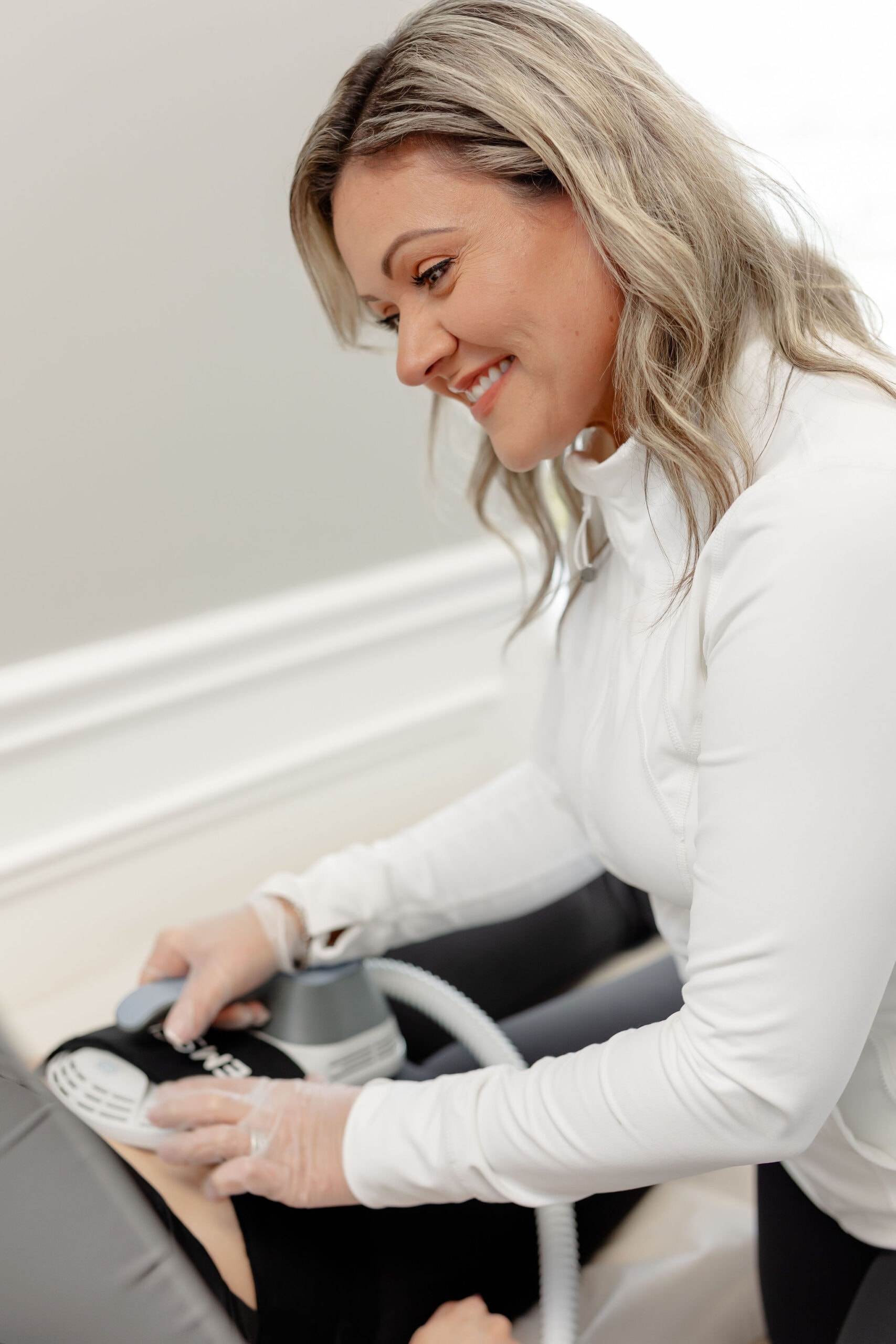
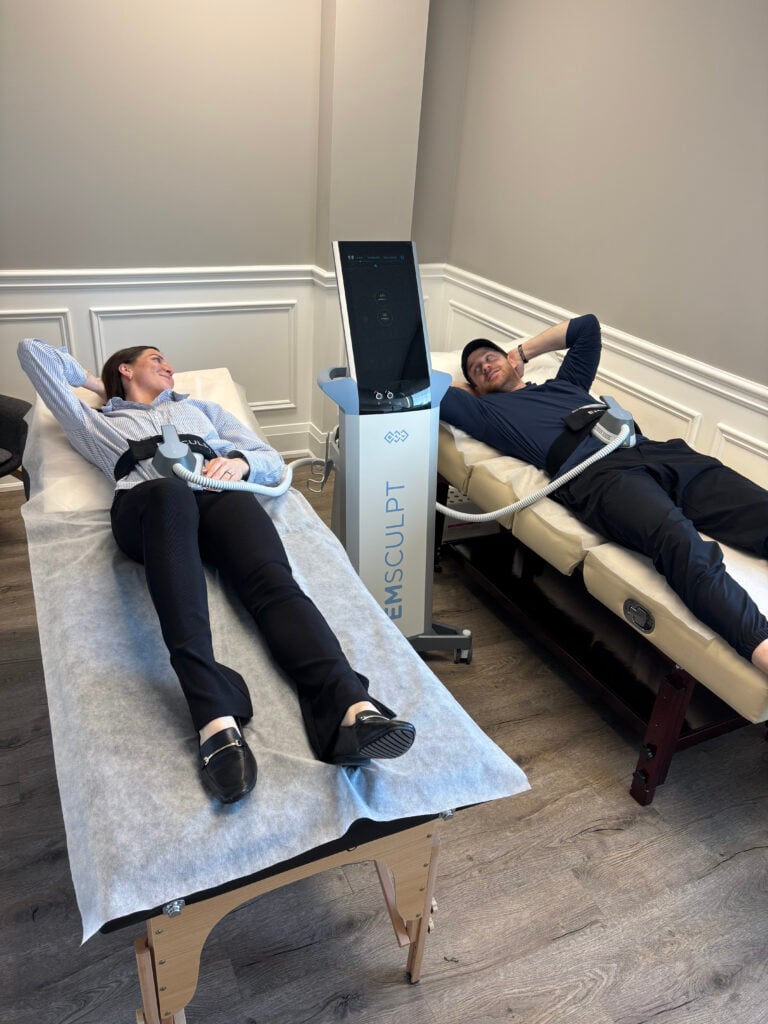
Pain that persists for more than six weeks postpartum deserves attention. Our Venus Ab Rehab program, which uses Emsculpt to restore abdominal strength, is ideal for those with core weakness contributing to pelvic discomfort.
3. Vaginal Dryness or Atrophy
Estrogen levels decline during perimenopause, postpartum, and while breastfeeding, often resulting in vaginal dryness, thinning tissues, and a burning sensation during intercourse.
Topical lubricants and vaginal moisturizers may offer short-term relief, but pelvic physiotherapy can also help by improving blood flow and restoring tissue flexibility.
4. Bladder Conditions or Recurrent UTIs
Frequent urinary tract infections (UTIs) or interstitial cystitis can cause pelvic inflammation, urgency, and pain that make intimacy uncomfortable. When pelvic floor muscles guard against discomfort by tensing up, sex becomes painful even when the infection has cleared.
Emsella, a non-invasive pelvic floor treatment offered at Corelife Wellness, is highly effective for improving bladder control and muscle coordination.
5. Endometriosis and Chronic Pelvic Pain
Endometriosis affects 1 in 10 women and can cause deep pelvic pain during sex, particularly with deep penetration. It occurs when endometrial tissue grows outside the uterus, leading to chronic inflammation, scarring, and muscle tension.
While surgery and hormonal treatment are common, pelvic physiotherapy plays a vital role in managing the muscular and myofascial components of endometriosis-related dyspareunia.
6. Psychological and Emotional Factors
Sexual trauma, stress, anxiety, and relationship issues can manifest as pelvic pain, especially when fear or tension causes unconscious muscle tightening. This doesn’t make your pain “all in your head,” but it does highlight the importance of mind-body approaches.
At Corelife Wellness, we take a compassionate, whole-person approach to healing, often incorporating mindfulness and breathing techniques alongside physical therapy.
How Pelvic Health Physiotherapy Helps
Pelvic health physiotherapy is the gold standard for treating dyspareunia caused by pelvic floor dysfunction, and research supports this.
A 2015 randomized trial published in the Journal of Sexual Medicine found that women with painful sex showed significant improvement after pelvic physiotherapy, including reduced pain, better muscle control, and improved sexual satisfaction.
At Corelife Wellness in Oakville, our treatment is:
Non-Invasive
No surgery, injections, or medications required.
Personalized
Every plan is tailored based on your symptoms, lifestyle, and goals.
Evidence-based
We use proven tools like biofeedback, manual therapy, internal assessment, Emsella, and Emsculpt.
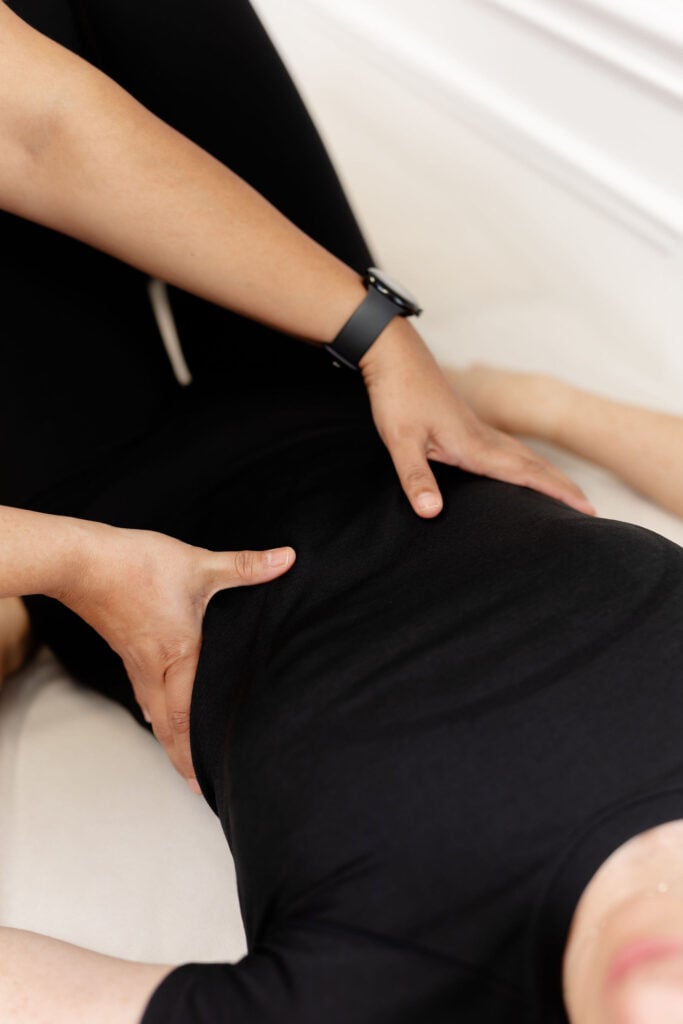
We help women regain strength, coordination, and awareness of their pelvic floor and core muscles in a supportive, judgment-free space.
Who Can Benefit from Pelvic Health Treatment?
You may benefit from pelvic physiotherapy at Corelife Wellness if you:
- Feel sharp or aching pain during or after sex
- Avoid intimacy because of discomfort or fear
- Are you recovering from childbirth, c-section, or perineal tearing
- Have pelvic floor tightness or core weakness
- Experience bladder leaks or urinary urgency
- Struggle with diastasis recti or abdominal separation
Whether you’re postpartum, perimenopausal, or anywhere in between, our Oakville pelvic health clinic is designed to help you feel strong and supported.
Local Expertise, Trusted Care: Why Choose Corelife Wellness in Oakville?
When searching for pelvic health solutions in Oakville or physiotherapy clinics in Oakville, Ontario, you’ll find many options, but Corelife Wellness stands apart for our:
Specialization In Women’s Health
We focus exclusively on female physiology and pelvic health.
Science-Backed Tools
Our treatments go beyond Kegel exercises. We offer Emsella, Venus Ab Rehab, manual therapy, and guided recovery.
Expert Practitioners
Our team of experienced pelvic health physiotherapists provides respectful, one-on-one care.
Convenient Location
Visit us at 1400 Cornwall Road, Oakville, easily accessible for residents of Burlington, Mississauga, and the Halton region.
We’re proud to be part of the local ecosystem of trusted clinics, including Oak Physio and Wellness, Leaps and Bounds Oakville, and other leading physiotherapy services. Still, we bring a singular focus on pelvic and core recovery for women.
Frequently Asked Questions (FAQs)
Is Pain During Sex Always Related To The Pelvic Floor?
Not always. Hormonal shifts, scarring, endometriosis, infections, or even emotional trauma can be causes. However, the pelvic floor is involved in many of these and should continually be assessed.
Do I Need A Referral To See A Pelvic Health Physiotherapist At Corelife Wellness?
No referral is required. You can book directly through our website or by phone.
What Should I Expect At My First Appointment?
We’ll begin with a confidential conversation about your symptoms, followed by a physical exam (with consent) to assess pelvic floor function. From there, we create a personalized care plan.
Does Pelvic Physio Hurt?
Treatment is gentle, supportive, and always within your comfort level. Communication and consent are key.
Let’s Normalize Talking About Pain and Treating It
Painful intercourse may be familiar, but it isn’t normal, and you don’t have to live with it. Whether the root cause is muscular, hormonal, emotional, or a combination of factors, real solutions exist.
At Corelife Wellness, we help women of all ages reclaim their comfort, confidence, and connection one step at a time. Women across Burlington, Mississauga, and the Halton region trust our pelvic health physiotherapy in Oakville.
Visit corelifewellness.ca to book your personalized pelvic health assessment today.