
Pelvic organ prolapse can feel overwhelming. Many women first notice a heavy sensation, pelvic pressure, or a bulge that wasn’t there before. Others experience bladder leaks, discomfort during intimacy, or difficulty fully emptying the bladder or bowels.
If you’re living in Oakville, Burlington, or elsewhere in Ontario and wondering whether surgery is your only option, the good news is this: in many cases, pelvic organ prolapse can be managed effectively without surgery.
This guide explores what pelvic organ prolapse is, when surgery is necessary, and what evidence-based, non-invasive pelvic health solutions are available, especially through pelvic health physiotherapy in Oakville and surrounding areas.
What Is Pelvic Organ Prolapse?
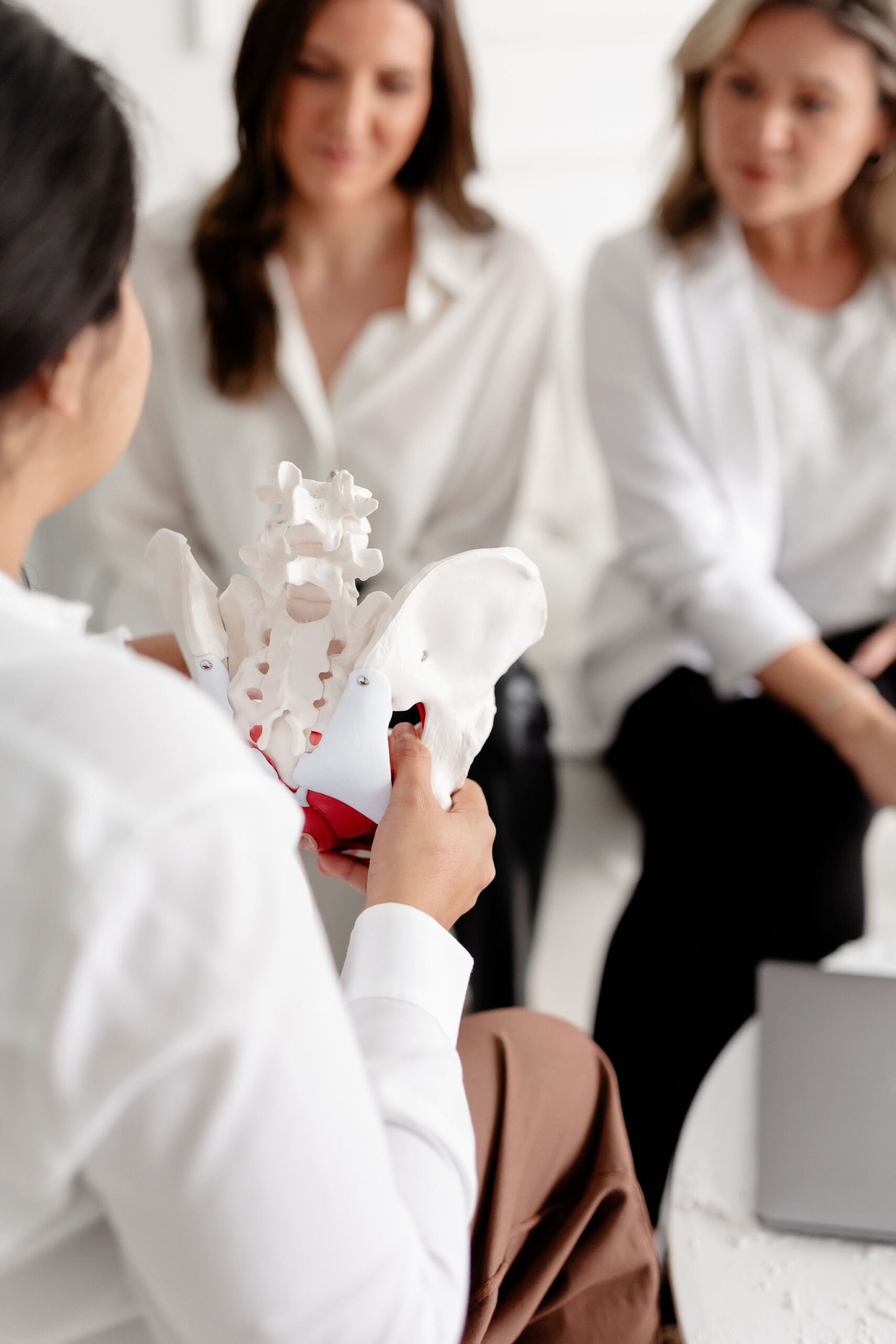
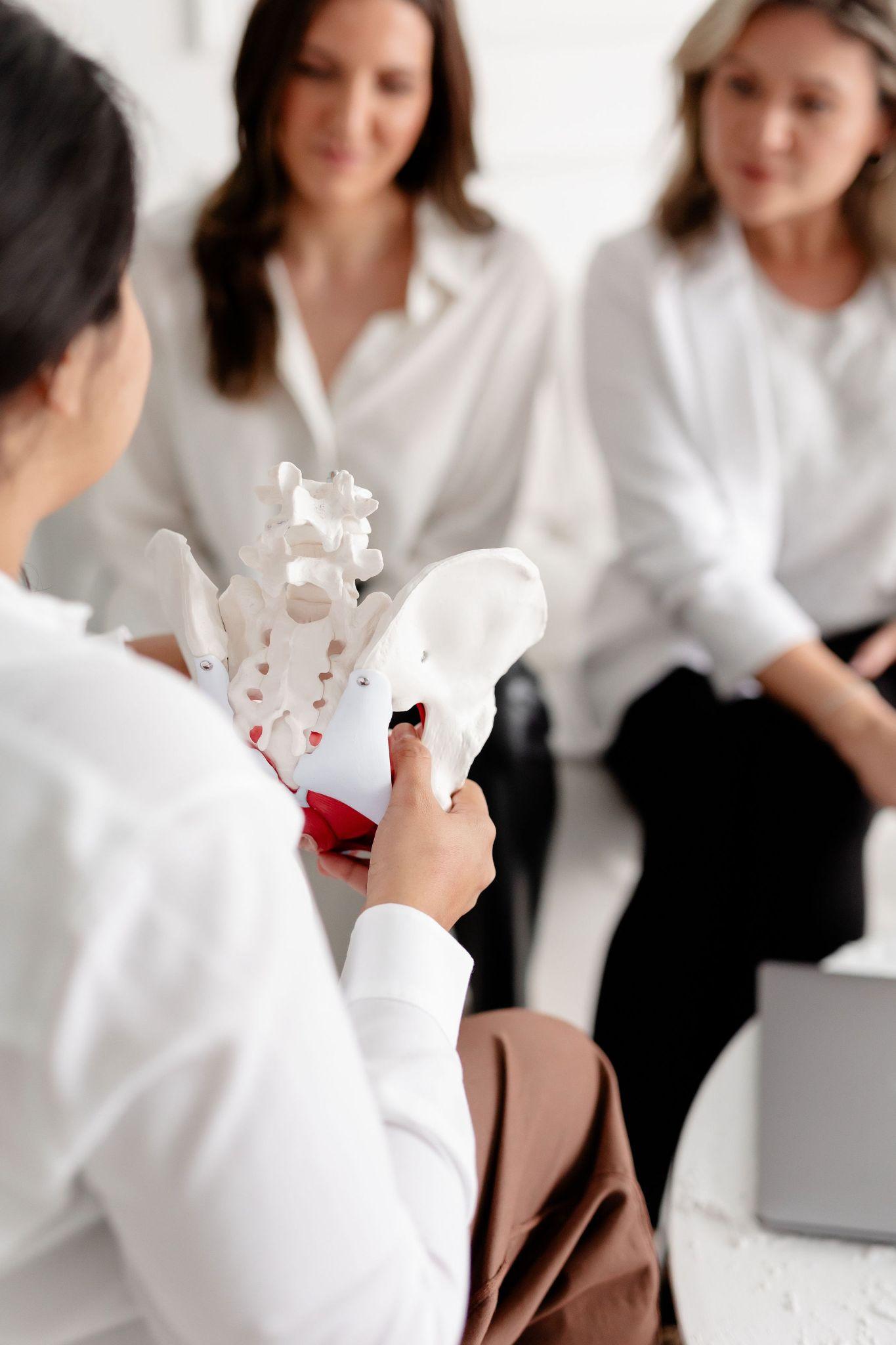
Pelvic organ prolapse happens when one or more pelvic organs, such as the bladder, uterus, or rectum, descend from their normal position and press into the vaginal wall. This occurs when the pelvic floor muscles and connective tissues weaken or stretch.
Common types include:
- Cystocele (bladder prolapse)
- Rectocele (rectal prolapse into the vaginal wall)
- Uterine prolapse
- Vaginal vault prolapse (after hysterectomy)
Prolapse is common. Research suggests that up to 50% of women who have given birth show some degree of prolapse on examination, although not all experience symptoms.
Risk factors include:
- Pregnancy and vaginal birth
- Chronic constipation or straining
- Heavy lifting
- Menopause and hormonal changes
- Chronic coughing
- Connective tissue weakness
Do You Always Need Surgery?
Not necessarily.
Surgery is typically considered when:
- Symptoms are severe and significantly impact the quality of life
- Conservative treatments have been tried consistently without improvement
- There is advanced prolapse with complications
However, for mild to moderate prolapse, clinical guidelines consistently recommend pelvic floor muscle training as first-line treatment.
The International Urogynecological Association and multiple systematic reviews confirm that structured pelvic floor physiotherapy can reduce symptoms and prevent progression in many women.
For many individuals in Oakville and Burlington seeking pelvic health solutions, non-surgical approaches provide meaningful relief.
Non-Surgical Options for Pelvic Organ Prolapse in Ontario
1. Pelvic Health Physiotherapy
Pelvic health physiotherapy is the foundation of conservative treatment for prolapse.
A trained pelvic health physiotherapist assesses:
- Pelvic floor muscle strength
- Coordination and endurance
- Core muscle engagement
- Breathing patterns
- Postural alignment
Treatment may include:
- Guided pelvic floor strengthening
- Functional core training
- Pressure management techniques
- Education on lifting and daily movement
- Lifestyle adjustments
Evidence shows that supervised pelvic floor training is more effective than unsupervised exercises.
For individuals seeking physiotherapy or physical therapy in Oakville, Ontario, choosing a clinic specializing in pelvic health is important. Not all physio in Oakville focuses on this area.
2. Core Rehabilitation and Diastasis Recti Recovery
Pelvic organ prolapse and core weakness often go hand in hand.
After pregnancy or during perimenopause, weakened abdominal muscles and diastasis recti can increase pressure on the pelvic floor. Poor core coordination contributes to downward pressure with lifting, coughing, or exercise.
Targeted core rehabilitation helps:
Wondering if pelvic floor therapy is right for you? Get in touch with Corelife Wellness and we’ll walk you through your options.
- Improve abdominal muscle activation
- Reduce intra-abdominal pressure strain
- Support pelvic structures
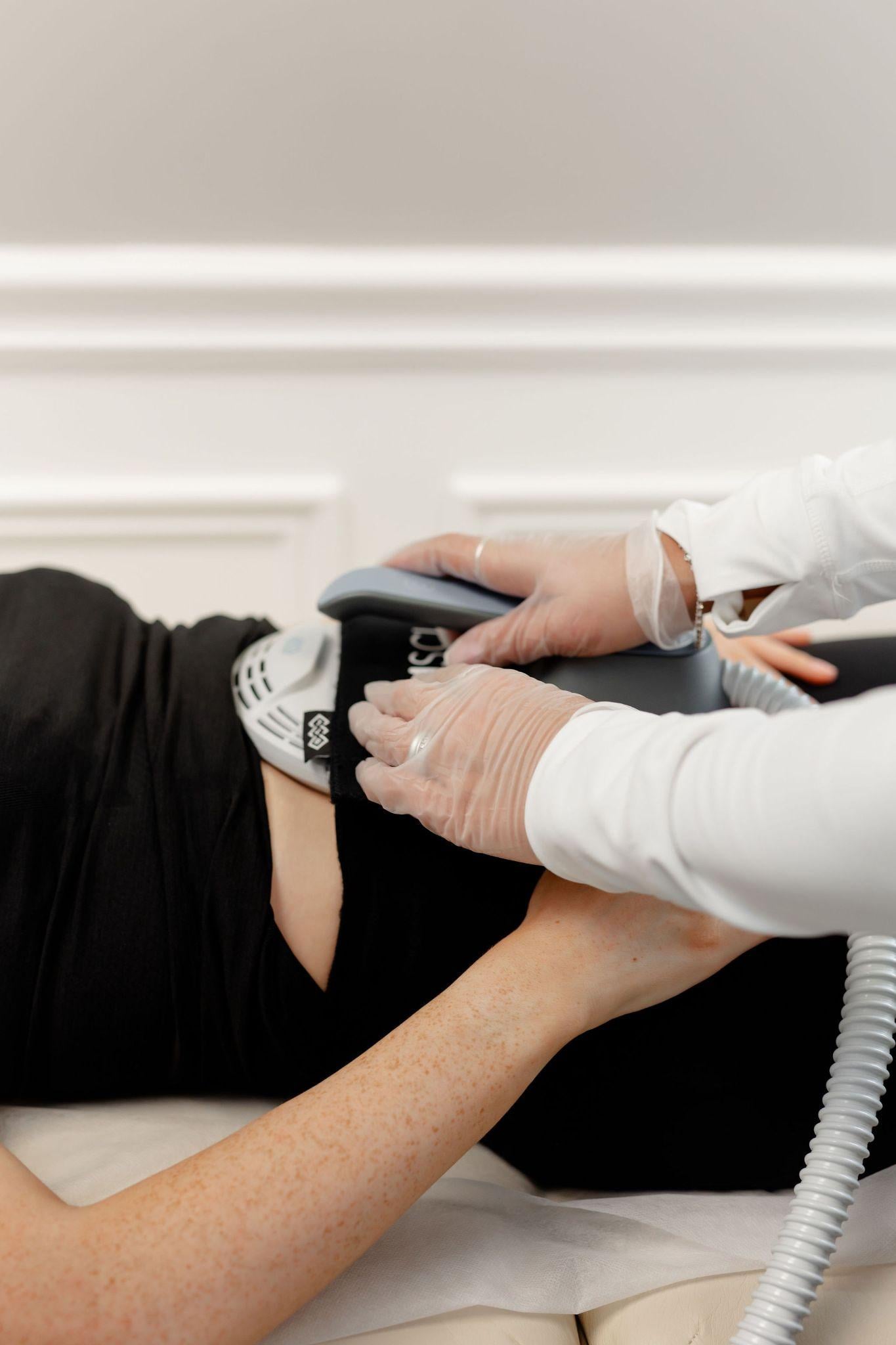
Advanced technologies such as Venus Ab Rehab (Emsculpt for core strengthening) can enhance muscle recruitment alongside physiotherapy.
Research on high-intensity electromagnetic muscle stimulation shows significant improvements in core muscle thickness and strength when combined with guided rehabilitation.
3. Emsella for Bladder Control and Pelvic Strength
Bladder leakage often accompanies prolapse. Emsella is a non-invasive treatment that uses high-intensity focused electromagnetic energy to stimulate thousands of pelvic floor contractions in a single session.
While it does not “fix” prolapse directly, it can:
- Improve pelvic floor strength
- Reduce urinary incontinence
- Enhance muscle coordination
Clinical studies report a significant reduction in stress urinary incontinence symptoms after Emsella treatment courses.
For individuals seeking pelvic health physiotherapy and advanced non-invasive treatments in Oakville, combining physiotherapy with technology-based muscle activation can offer additional support.
4. Pessary Fitting
A pessary is a removable device inserted into the vagina to support pelvic organs.
It:
- Provides mechanical support
- Can reduce bulging symptoms
- Allows women to avoid or delay surgery
Pessaries are often recommended alongside pelvic physiotherapy rather than as a standalone solution.
5. Lifestyle and Pressure Management
Every day habits matter.
Chronic straining, high-impact exercise without proper core support, and improper lifting can worsen prolapse symptoms.
Physiotherapy includes education on:
- Safe return to fitness
- Bowel management
- Proper breathing patterns
- Lifting mechanics
- Managing abdominal pressure
These adjustments reduce stress on the pelvic floor and can significantly improve comfort.
When Is Surgery the Right Choice?
Surgery may be appropriate if:
- Conservative care has been attempted consistently for several months
- Symptoms are severe
- There is tissue damage or complications
Even when surgery is required, pelvic physiotherapy remains essential before and after the procedure to optimize outcomes and reduce recurrence risk.
Why Early Treatment Matters
Pelvic organ prolapse does not usually improve on its own. However, early conservative intervention can:
- Reduce symptom severity
- Slow progression
- Improve muscle support
- Restore confidence in movement and exercise
- Reduce bladder leakage
Many women delay care due to embarrassment or the belief that prolapse is “normal after babies.” While it is common, it is not something you must simply live with.
Choosing the Right Pelvic Health Clinic in Oakville
If you are searching for physiotherapy clinics in Oakville or the best physiotherapy in Oakville, consider these factors:
- Specialized training in pelvic health
- Experience treating prolapse
- Comprehensive assessment approach
- Integration of core rehabilitation
- Access to advanced technology where appropriate
A general physio in Oakville may focus on sports injuries or orthopedic care. Pelvic health requires specific expertise.
Residents in Oakville and Burlington seeking pelvic health physiotherapy benefit from choosing a clinic dedicated to women’s health and core recovery rather than a general physical therapy practice.
What About Men?
While pelvic organ prolapse primarily affects women, men over 30 may experience pelvic floor dysfunction, especially after prostate surgery or with chronic straining. Pelvic physiotherapy can also support male pelvic health concerns.
What Results Can You Expect?
Outcomes vary depending on:
- Severity of prolapse
- Consistency with exercises
- Overall muscle condition
- Lifestyle factors
Many patients report:
- Reduced pressure and heaviness
- Improved bladder control
- Better core stability
- Increased confidence during activity
Research shows that structured pelvic floor muscle training can reduce prolapse symptoms by up to 70% in mild-to-moderate cases.
It is important to understand that non-surgical care often focuses on symptom improvement and functional support rather than anatomical reversal. The goal is strength, stability, and improved quality of life.
Taking the First Step in Oakville and Burlington
If you live in Oakville, Burlington, or nearby Ontario communities and are exploring pelvic health solutions, starting with a professional assessment is the safest path forward.
Early evaluation allows you to:
- Understand the degree of prolapse
- Learn safe exercises
- Avoid activities that worsen symptoms
- Create a structured recovery plan
You do not need to wait until symptoms become severe.

You Have Options
Pelvic organ prolapse does not automatically mean surgery.
For many women in Ontario, pelvic health physiotherapy, core rehabilitation, lifestyle adjustments, and advanced non-invasive treatments provide meaningful improvement. Early intervention can prevent progression and restore confidence in daily movement.
If you are experiencing pelvic pressure, bladder leaks, or core weakness and want to explore non-surgical options, book a consultation with the specialists at Corelife Wellness.
Learn more about personalized pelvic health care and recovery options at http://www.corelifewellness.ca
Your body deserves informed, supportive care and solutions that help you regain strength and control.
[a]change photo. this is a different treatment for stomach strengthening, not pelvic floor or fixing prolapse
Want to learn more about how Corelife Wellness can help? Get in touch with us for a free consultation.