
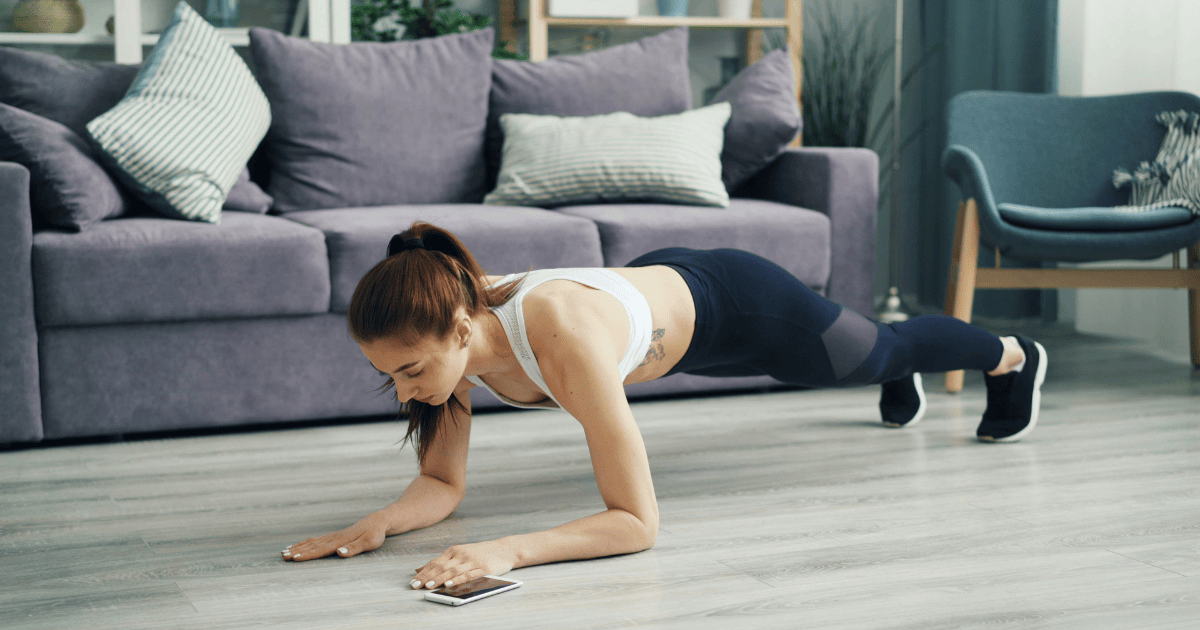
For many women, pelvic floor health isn’t something we think about until it starts causing problems such as bladder leaks, pelvic pain, or core weakness. Whether you’re recovering after childbirth, experiencing changes during perimenopause, or simply want to maintain lifelong pelvic health, targeted exercises can make a big difference.
At Corelife Wellness, we help women in Burlington, Oakville, and the Halton Region improve pelvic floor strength through physiotherapy, non-invasive technology like Emsella, and personalized care plans. But you can also take steps at home to support your recovery and strengthen your pelvic floor safely.
This guide will walk you through:
- Why pelvic floor strength matters
- How to recognize weakness or dysfunction
- Safe at-home pelvic floor exercises
- Tips for integrating these into your daily routine
- When to seek professional help
Why Your Pelvic Floor Matters
Your pelvic floor is a group of muscles, ligaments, and connective tissues at the base of your pelvis. These muscles:
- Support your bladder, uterus, and rectum
- Help control urination and bowel movements
- Play a role in sexual function
- Work with your core muscles to stabilize your body
When the pelvic floor is weakened, often due to pregnancy, childbirth, aging, or hormonal changes, you may notice:
- Bladder leakage (especially during exercise, coughing, or sneezing)
- Increased bladder urgency
- A feeling of heaviness or pressure in the pelvis
- Lower back pain
- Decreased core strength
- Lack of sensation during intimacy
Strengthening your pelvic floor can improve these symptoms and help prevent further issues.
Recognizing Pelvic Floor Weakness
Pelvic floor dysfunction is more common than most people realize. In Canada, studies suggest that up to 1/3 of women experience some form of urinary incontinence after giving birth.
You Might Have a Weak Pelvic Floor If You
- Leak urine when you laugh, cough, jump, or run
- Struggle to hold in gas or bowel movements
- Feel pressure or bulging in the pelvic area
- Have difficulty fully emptying your bladder
- Notice poor core engagement during workouts
If you experience these symptoms, it’s essential to approach pelvic floor strengthening carefully — and ideally under the guidance of a pelvic health physiotherapist in Oakville.
At-Home Pelvic Floor Exercises
Below are gentle, practical exercises that can be done at home to help improve pelvic floor strength. Always check with a qualified health professional before starting, especially if you have pelvic pain, prolapse, or recent surgery.
Exercise | How to Do It | Tips |
Kegels | Sit or lie comfortably. Imagine lifting a blueberry from your vaginal opening up to your belly button — that’s your pelvic floor contracting. Hold for 5 seconds, then release for 5 seconds. Repeat 10 times. | Avoid squeezing your glutes or holding your breath. |
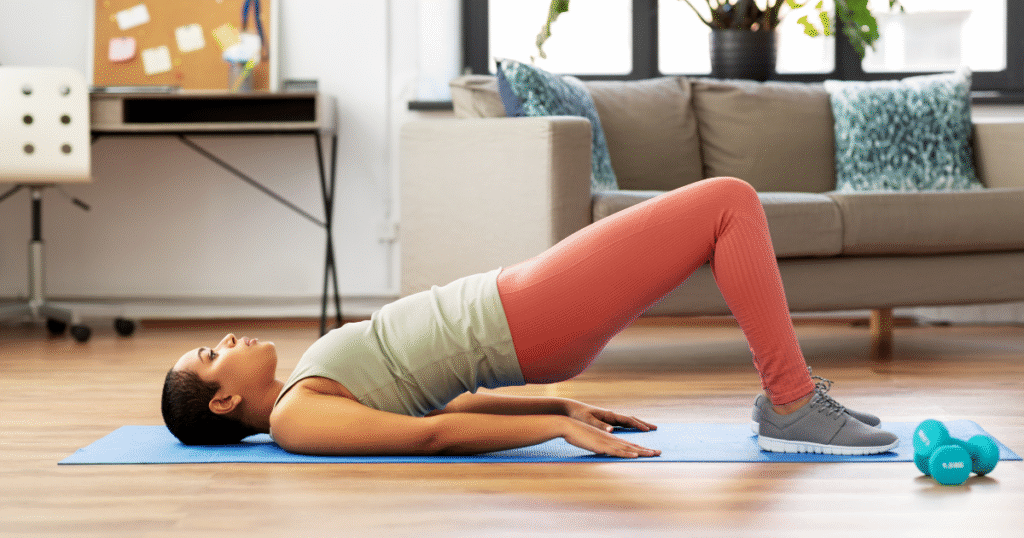
Bridge with Pelvic Floor Activation | Lie on your back with knees bent. Lift your hips while gently contracting your pelvic floor. Lower slowly and relax the pelvic floor. Repeat 10–15 times. | Engage your core without tensing your shoulders or neck. |
Heel Slides | Lie on your back with knees bent. Slide one heel away from your body while gently engaging your pelvic floor, then return and relax the pelvic floor before your next rep. Alternate legs. | Keep movements slow and controlled. |
Squats with Breath Connection | Stand with feet hip-width apart. As you squat, inhale and relax your pelvic floor. As you return to standing, exhale and gently lift the pelvic floor. | Avoid deep squats if you have prolapse symptoms. |
TA (Transverse Abdominis) Activation | Lie on your back. Inhale deeply, then exhale while drawing your belly button gently toward your spine and lifting the pelvic floor. | Focus on deep breathing rather than forceful pulling in. |
Tips for Success at Home
- Breathe, don’t brace. Your pelvic floor works with your diaphragm, so exhaling during the contraction phase helps.
- Quality over quantity. It’s better to do fewer reps with proper form than many with poor technique.
- Be consistent. Aim for 5–10 minutes of pelvic floor work most days.
- Integrate into daily life. Try engaging your pelvic floor when standing up, lifting groceries, or during exercise.
- Know when to rest. Overtraining can cause tension and pain.
Beyond Exercise: Tools and Technology
While at-home exercises are essential, sometimes they aren’t enough, especially if your pelvic floor is very weak or coordination is complex. That’s where advanced, non-invasive treatments can help.
At Corelife Wellness, we offer:
Pelvic Floor Physiotherapy
Hands-on guidance to help you find and activate the right muscles.
Emsella Chair
Uses high-intensity focused electromagnetic (HIFEM) technology to stimulate thousands of pelvic floor contractions in one session.
Venus Ab Rehab (Emsculpt for Core)
Strengthens your deep core muscles and addresses diastasis recti.
Postpartum Recovery Programs
Combining physiotherapy, technology, and personalized coaching.
Women from Burlington, Oakville, and surrounding Halton Region often find that combining at-home work with in-clinic treatments accelerates progress.
When to Seek Professional Help
If you’ve been trying pelvic floor exercises for a few weeks without improvement, or if symptoms are worsening, it’s time to book an assessment.
Consider Seeing a Pelvic Health Physiotherapist If You
- Experience persistent bladder leakage
- Feel pelvic pressure or heaviness
- Have pelvic or lower back pain
- Recently gave birth and noticed core weakness, doming, or separation
- Want to prevent issues during perimenopause
Our team at Corelife Wellness specializes in creating tailored plans for women in Burlington, Oakville, Hamilton, and nearby areas.
The Science Behind Pelvic Floor Recovery
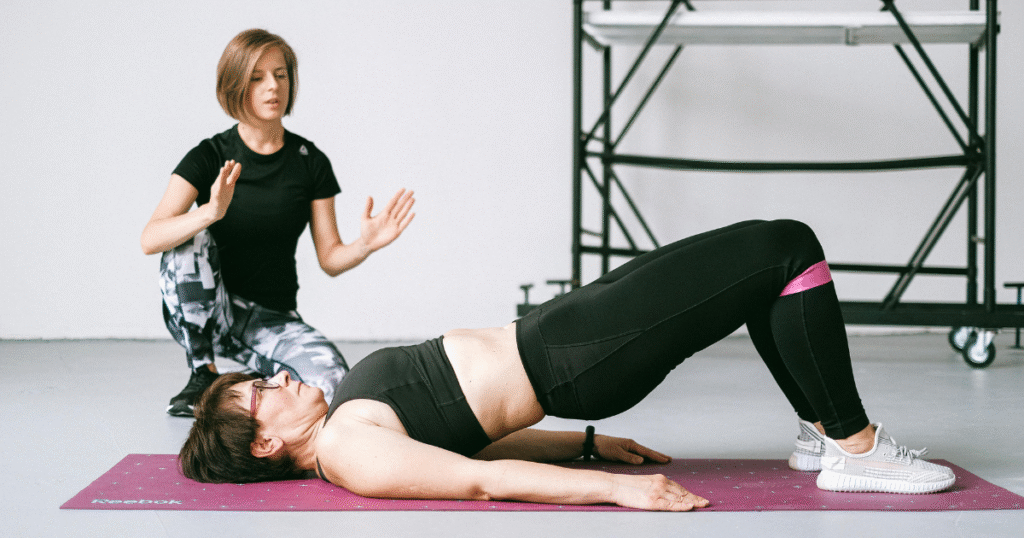
Research supports pelvic floor muscle training as a first-line treatment for urinary incontinence and mild prolapse. According to a review in the British Journal of Sports Medicine, women who engage in supervised pelvic floor training are more likely to see significant improvement compared to those doing unsupervised home programs alone.
That’s why combining self-directed exercises with professional guidance often yields the best results.
Putting It All Together
A strong pelvic floor supports your bladder, core, and confidence with consistent at-home exercises, mindful breathing, and, when needed, the expertise of pelvic health professionals, you can improve function and reduce symptoms.
In Oakville, Corelife Wellness is here to help you every step of the way, whether you’re navigating postpartum recovery, perimenopausal changes, or simply want to feel stronger in your body.
Your Next Step: Book a Free Pelvic Health Consultation
You don’t have to live with bladder leaks, core weakness, or pelvic discomfort. Our team at Corelife Wellness offers a free consultation to discuss your symptoms, goals, and the best approach for you.
Serving Burlington, Oakville, and the Halton Region
Book today: https://corelifewellness.ca/
*Disclaimer: if you’re experiencing symptoms, it’s always recommended to have an assessment by a professional before doing unsupervised exercises at home; symptoms mentioned in this blog can also be related to various other health conditions.