
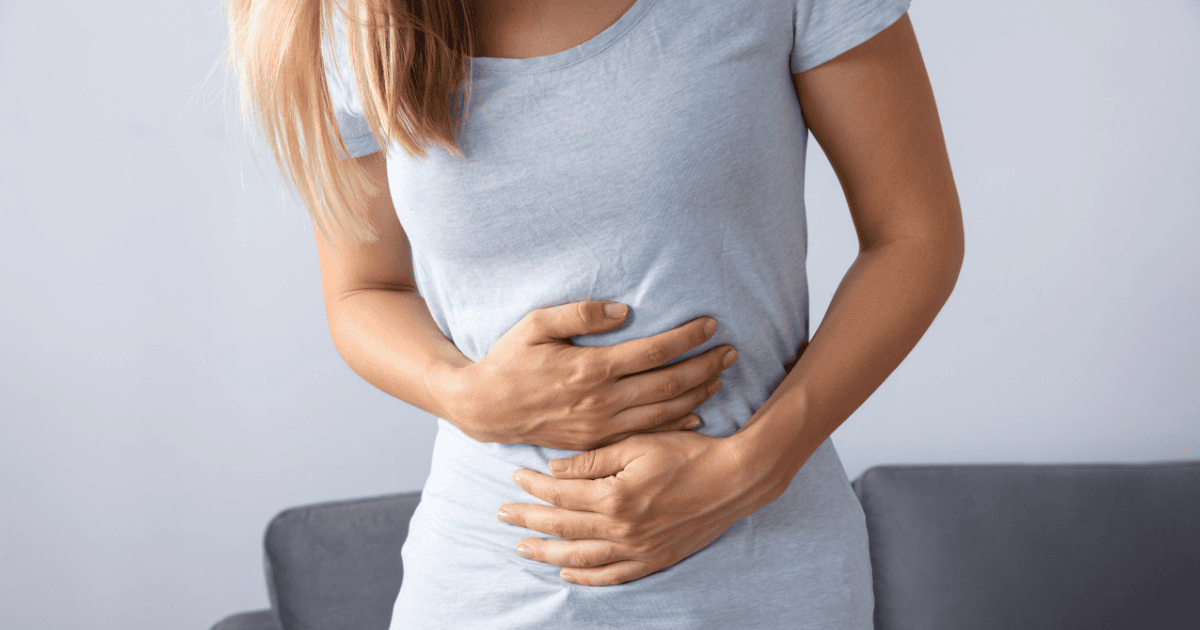
When we think about postpartum recovery, most people picture sleepless nights and diaper changes. But for many new mothers, the most persistent challenges are hidden deep in the core, specifically in the pelvic floor. If you’re struggling with ongoing lower back pain or uncomfortable constipation weeks or even months after delivery, your pelvic floor could be the missing piece.
In this guide, we’ll unpack the science behind how pelvic floor dysfunction affects postpartum back pain and constipation, explore how pelvic health physiotherapy can help, and offer local insights for those in Oakville and Burlington seeking real, lasting relief.
What Is the Pelvic Floor?
The pelvic floor is a group of muscles, ligaments, and connective tissues at the base of the pelvis. Think of it like a hammock that supports pelvic organs, your bladder, uterus, and bowel. These muscles also play a vital role in core stability, posture, and even breathing.
During pregnancy and childbirth (vaginal or cesarean), the pelvic floor undergoes significant strain. It stretches, can weaken, and sometimes tear, leaving many women with issues they may not immediately connect to these muscles, like back pain or constipation.
The Connection Between Pelvic Floor Dysfunction and Back Pain
Lower back pain is widespread in the postpartum period. One 2021 review published in BMC Pregnancy and Childbirth found that up to 75% of women experience back pain after childbirth. But what most people don’t realize is that this pain often stems from instability in the core, starting with the pelvic floor.
Here’s how it works:
Core Instability
The pelvic floor, transverse abdominis (deep core muscle), diaphragm, and multifidus (a deep spinal muscle) work together like a pressure system to stabilize the spine. When the pelvic floor is weak or uncoordinated, it disrupts this system.
Altered Posture
New moms often adopt postures that place additional strain on the back, such as hunching over to breastfeed or lift a baby. A compromised pelvic floor can’t support the spine properly, leading to compensatory muscle tension and pain.
Diastasis Recti
Many postpartum women also have abdominal separation (diastasis recti), which further limits core strength and stability. If the pelvic floor isn’t addressed, back pain often persists despite stretching or massage.
The Overlooked Link: Pelvic Floor and Postpartum Constipation
Constipation isn’t just a diet or hydration issue; it’s often musculoskeletal in origin. A healthy bowel movement requires coordinated muscle engagement: the abdominal wall contracts, the pelvic floor muscles relax, and abdominal pressure increases.
But after childbirth, this system is disrupted.
- Pelvic floor tension or dysfunction can prevent relaxation of the anal sphincter, making it harder to “let go.”
- Scar tissue or trauma from vaginal delivery or episiotomies may create holding patterns that inhibit normal bowel function.
- Fear of pain during bowel movements after tearing or surgery may lead to breath-holding, clenching, or avoidance behaviors, creating a cycle of constipation and strain.
If you’re straining to go or still feeling incomplete after a bowel movement weeks postpartum, pelvic health physiotherapy should be part of your care plan, not just laxatives or fiber.
Signs Your Pelvic Floor Needs Attention
Many women don’t realize their pelvic floor needs rehab until the symptoms start stacking up. You might benefit from pelvic physiotherapy if you’re experiencing:
- Ongoing lower back or tailbone pain
- Constipation or difficulty emptying your bowels
- Urinary leaks, urgency, or incomplete emptying
- A feeling of heaviness or bulging in the pelvic area
- Pain during intimacy
- Difficulty engaging your deep core muscles or regaining ab strength
These symptoms are not “just part of motherhood.” They are treatable and often respond well to specialized care.
How Pelvic Health Physiotherapy Helps
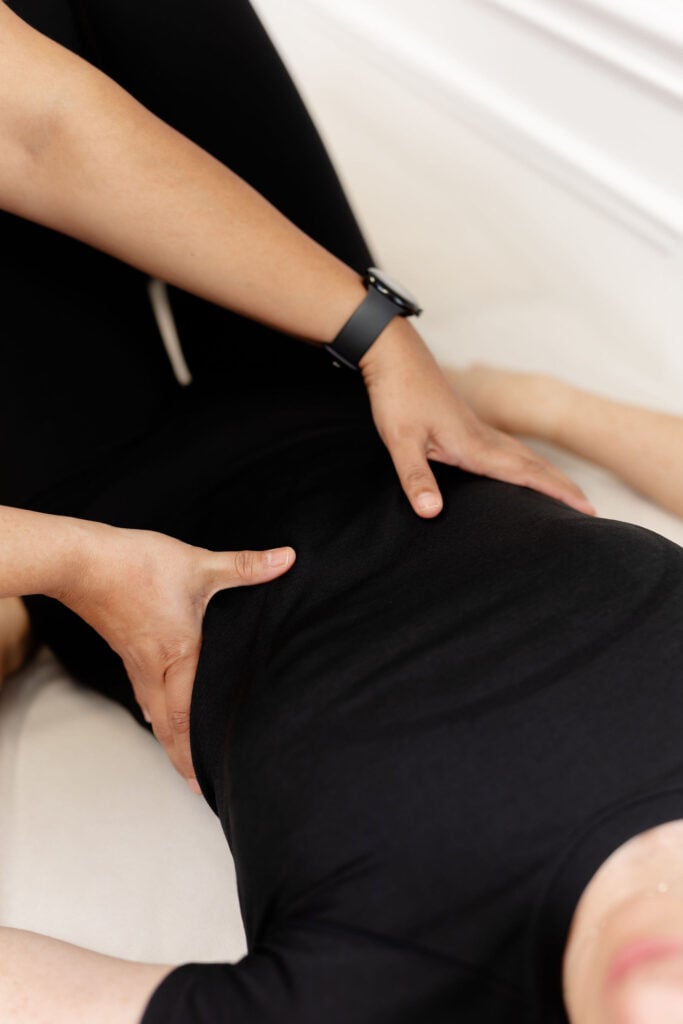
Pelvic floor physiotherapy is not a one-size-fits-all program. At Corelife Wellness, our licensed pelvic health therapists in Oakville use science-backed techniques to assess and treat your unique postpartum needs.
Here’s what a typical treatment plan might include:
1. Detailed Assessment
We begin with a thorough internal and external pelvic floor exam, along with a core and postural assessment. This gives us a clear picture of what’s really going on.
2. Manual Therapy
If muscles are tight, scarred, or weak, hands-on techniques can help restore mobility and reduce pain. This is especially helpful after episiotomy, tearing, or C-section scars.
3. Biofeedback and Neuromuscular Re-education
These tools help retrain the pelvic floor to contract and relax properly, which is key to reducing both back pain and constipation.
4. Core Reintegration
We teach you how to engage your core without breath-holding or strain. When combined with tools like our Venus Ab Rehab (Emsculpt for postpartum core strength), this can significantly accelerate recovery.
5. Lifestyle and Bowel Coaching
We also teach optimal bowel habits, breathing techniques, and alignment strategies to reduce straining and improve regularity—because constipation isn’t just about diet.
Local Solutions: Why Oakville Families Choose Corelife Wellness
If you’re searching for physiotherapy in Oakville, not all clinics are created equal. At Corelife Wellness, we focus exclusively on women’s health, pelvic floor recovery, and postpartum care, with no generic scripts or outdated advice.
Whether you live in Oakville, Burlington, or nearby communities, our clinic is designed to feel warm, safe, and empowering. We’re located at 3075 Hospital Gate, Unit 312, Oakville, ON, L6M 1M1.
When you work with us, you’re not just getting a pelvic health physiotherapist. You’re getting a team that understands the emotional and physical load of motherhood and offers science-backed support to help you heal.
Complementary Technologies: Emsella & Venus Ab Rehab
While manual therapy and movement are foundational, some clients benefit from our non-invasive technologies that accelerate pelvic and core recovery:
Emsella Chair
Known as the “Kegel throne,” Emsella uses high-intensity electromagnetic stimulation to deeply engage your pelvic floor muscles over 11,000 contractions in a single 28-minute session. Ideal for those with bladder leaks, urgency, or pelvic instability.
Venus Ab Rehab
Using HIFEM (High-Intensity Focused Electromagnetic) technology, this treatment targets deep abdominal muscles and helps correct diastasis recti, especially when paired with physiotherapy. It’s a game-changer for core strength and back pain relief.
These services are safe, non-invasive, and tailored for postpartum recovery, with no downtime or surgery required.
Evidence-Based Care, Not Just Opinions
Our treatment protocols are grounded in clinical research and evidence. For example:
- A 2022 systematic review in Physical Therapy in Sport found that pelvic floor physical therapy significantly improved low back pain in postpartum women compared to general physiotherapy alone.
- A 2020 study in Neurogastroenterology & Motility showed that pelvic floor dysfunction was a key factor in chronic constipation among women and that biofeedback and rehab improved outcomes.
You deserve more than vague advice. You deserve honest answers and real results, and that starts with understanding the role your pelvic floor plays in your health.

Relief Is Possible And Closer Than You Think
Postpartum back pain and constipation aren’t random or unfixable. In many cases, the cause is clear: pelvic floor dysfunction. And the solution isn’t another pill or band-aid fix, it’s expert assessment, targeted rehab, and compassionate care.
If you’re in Oakville, Burlington, or the surrounding area, and you’re tired of wondering when things will “go back to normal,” we invite you to take the first step.
Book your pelvic health consultation today at corelifewellness.ca
Let’s rebuild your strength, confidence, and comfort one step (and one muscle) at a time.