
For many postpartum women and even some men, a lingering belly bulge isn’t always about leftover weight. In fact, one of the most common yet misunderstood contributors to abdominal separation and core weakness is diastasis recti.
Often brushed off as a “mommy tummy,” diastasis recti is far more than a cosmetic issue. It’s a functional core condition that can impact posture, breathing, digestion, pelvic floor health, and even mental well-being.
In this guide, we’ll break down what diastasis recti really is, why it matters at every life stage, and how Corelife Wellness in Oakville provides evidence-based, non-invasive treatments that help clients reclaim core strength and body confidence.
What Is Diastasis Recti?
Diastasis recti (DR) refers to the separation of the rectus abdominis muscles, commonly known as the “six-pack” muscles, along the midline of the abdomen.
This separation occurs when the connective tissue (linea alba) that runs between these muscles stretches or thins out, often due to increased pressure in the abdominal cavity. It’s most commonly seen during and after pregnancy, but can also affect men and women due to weight changes, certain types of exercise, or abdominal surgeries.
According to a 2016 study in the British Journal of Sports Medicine, up to 60% of women may experience some degree of diastasis recti postpartum.
Common Signs and Symptoms
Some signs of diastasis recti are subtle, while others are more pronounced. You may experience:
- A visible bulge or “doming” in the mid-abdomen, especially when sitting up or straining
- Persistent core weakness or poor posture
- Low back pain or pelvic instability
- Difficulty engaging your core during movement
- Bladder leakage (stress incontinence)
- Digestive issues like bloating or constipation
It’s important to note that not all core bulging is diastasis, and not all diastasis cases are severe. A proper evaluation, especially one performed by a pelvic health physiotherapy specialist, is key to diagnosis and recovery planning.
Causes: Why Diastasis Recti Happens
While pregnancy is the leading cause, diastasis recti can happen for several reasons:
1. Pregnancy
Diastasis is inevitable during pregnancy. Your growing belly puts pressure on the abdominal wall, stretching the connective tissue and causing the muscles to move apart and make room for your baby. Hormonal changes also soften connective tissue, allowing the separation to occur.
2. Improper Core Exercise
Exercises like crunches, planks, or heavy lifting performed with poor form can exacerbate abdominal pressure, especially if core weakness or poor breathing mechanics are present.
3. Chronic Pressure
Chronic coughing, constipation (straining), or frequent heavy lifting can create too much mismanaged intra-abdominal pressure over time.
4. Post-Surgical Weakness
Abdominal surgeries (like C-sections or hernia repairs) can compromise muscle integrity and slow down natural healing processes.
Why Diastasis Recti Is More Than Cosmetic
While many people seek treatment for DR to “flatten their tummy,” the genuine concern is the core function. The core doesn’t just refer to your abs; it’s an integrated system that includes your pelvic floor, diaphragm, back, and deep abdominal muscles.
When your core is disrupted by diastasis, it can:
- Weakened pelvic floor function, leading to bladder leaks
- Reduce spinal support, leading to low back pain
- Affect breathing mechanics and diaphragm efficiency
- Impair balance, movement control, and stability
This is why addressing DR is not just about aesthetics; it’s about restoring your body’s foundation.
How Is Diastasis Recti Diagnosed?
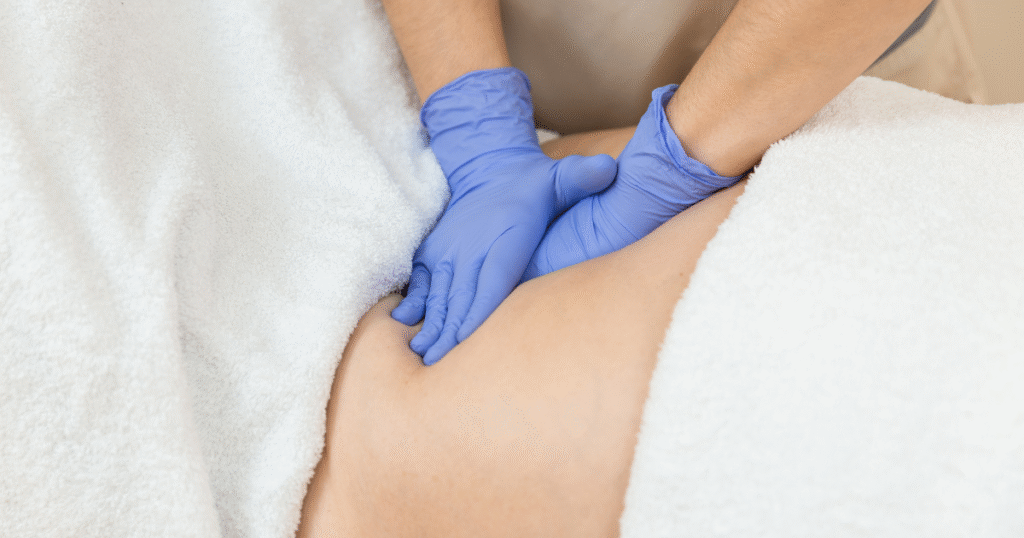
At Corelife Wellness, a diastasis assessment is done by a licensed pelvic health physiotherapist using gentle palpation techniques. The therapist will measure:
- Width of separation (how far apart the muscles are)
- Depth of the gap (how deep your fingers sink into your midline)
- Tension or firmness of the connective tissue
In some cases, ultrasound imaging or muscle function tests may be used to complement the evaluation.
Can Diastasis Recti Heal on Its Own?
In mild cases, diastasis may improve naturally within the first 8–12 weeks postpartum, especially if proper posture, breathing, and core engagement are maintained.
However, moderate to severe cases often require guided rehab, not just time, especially if you’re experiencing functional symptoms (like leaking, back pain, or instability).
That’s where Corelife Wellness in Oakville stands apart, offering non-surgical diastasis recovery solutions tailored to each individual’s unique needs.
Corelife Wellness Treatments for Diastasis Recti
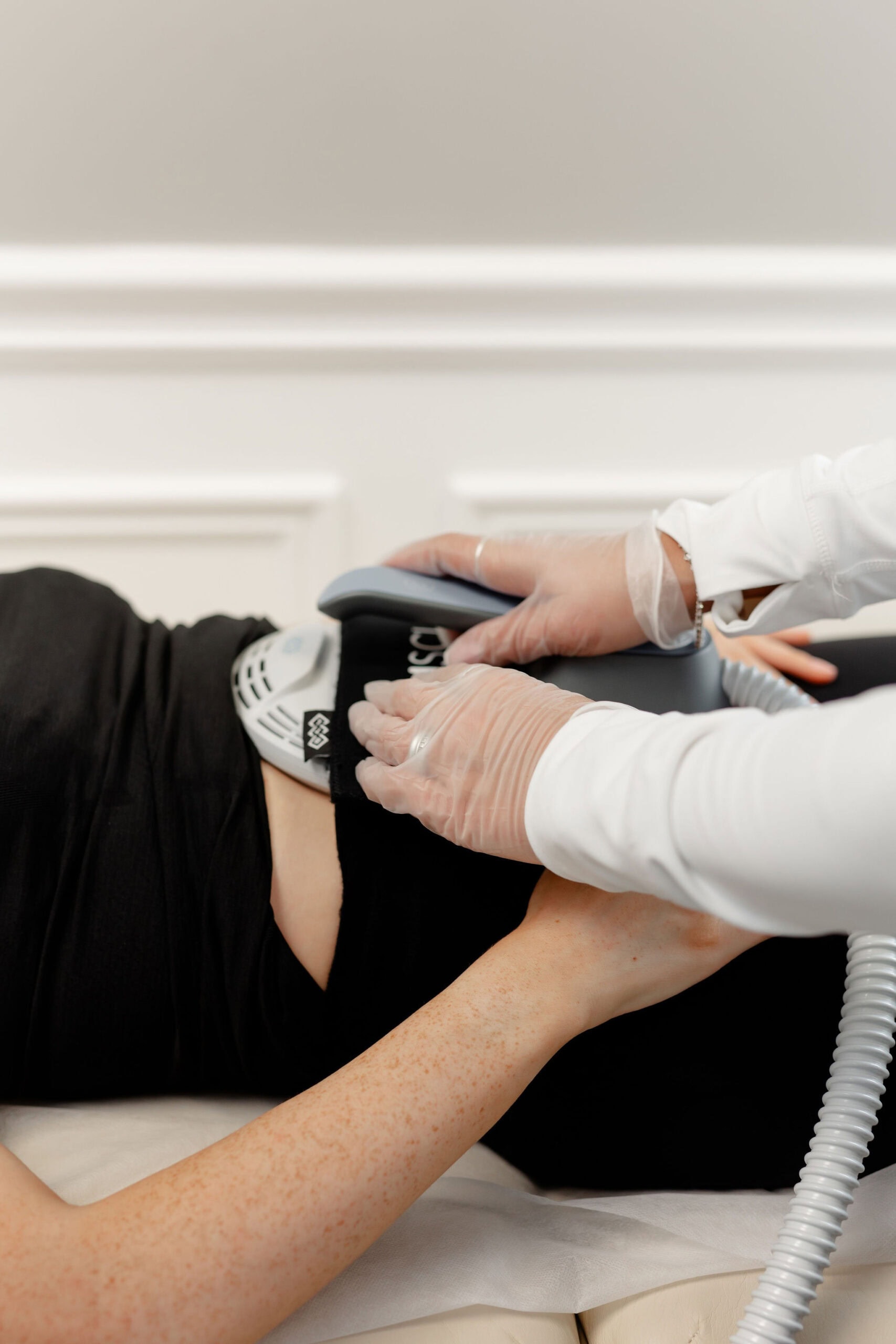
Venus Ab Rehab™ (Emsculpt)
This science-backed treatment utilizes high-intensity focused electromagnetic (HIFEM) technology to stimulate thousands of muscle contractions in your core during each session, far exceeding the capabilities of voluntary exercises.
- Builds deep abdominal strength and muscle tone
- Aids in reducing the DR gap
- Zero downtime and completely non-invasive
- Often used alongside pelvic physio for full-body core rehab
Clinical studies on HIFEM show significant improvements in muscle thickness and separation closure with consistent treatment.
Pelvic Health Physiotherapy
Our experienced physios take a whole-body approach, assessing not just abdominal separation, but also breathing, posture, movement patterns, and pelvic floor function.
Corelife’s physio sessions may include:
- Gentle core retraining (deep TVA + diaphragm)
- Postural correction and breathing drills
- Pelvic floor strengthening
- Education on safe movement and load management
- Home exercise programming
Emsella® Chair
This breakthrough technology helps strengthen the pelvic floor muscles without the need for internal devices or exercises. Perfect for clients who are also experiencing:
- Stress or urge incontinence
- Pelvic heaviness
- Postpartum leakage
- Core-pelvic disconnection
The Emsella chair delivers the equivalent of 11,000 Kegels in 28 minutes, all while fully clothed and without sweat.
Postpartum? Perimenopausal? Why Diastasis Care Still Matters
You don’t have to be newly postpartum to seek help. Many women discover their DR years later, often during perimenopause when hormones shift, connective tissue weakens, and symptoms like leaking or bulging worsen.
At Corelife Wellness, we routinely work with:
- New moms looking to recover function and confidence
- Moms of toddlers, teens, or even adults who just “never felt the same again”
- Women over 40 noticing core changes, pelvic floor symptoms, or posture decline
- Men post-surgery or those dealing with chronic core/pelvic dysfunction
Why Choose Corelife Wellness?
Located in Oakville, Corelife Wellness is a top pelvic health clinic recognized for its evidence-based care, cutting-edge technology, and compassionate team. Our team has helped hundreds of women and men improve their core strength, control, and confidence — without surgery or shame.
- Private, personalized sessions
- Certified pelvic health physiotherapists
- Advanced technologies like Emsella & Emsculpt
- Focus on real function, not fitness gimmicks
- Convenient Oakville location (At 3075 Hospital Gate!)
- Supportive community that gets it
We believe every person deserves a strong, connected core and a body that supports their lifestyle, whether it’s chasing toddlers, hitting the gym, or simply sneezing without worry.
When to Seek Help
If you’re experiencing any of the following, it’s time to book a consultation:
- A visible or persistent abdominal bulge
- Difficulty engaging your core
- Leaking with movement, laughing, or sneezing
- Poor posture, low back pain, or hip instability
- You’re unsure how to exercise safely postpartum
- You feel disconnected from your body
It’s Not Just About Looks, It’s About Living Fully
Diastasis recti might be common, but it doesn’t have to be your new normal. Whether you’re newly postpartum or years into your journey, help is available, and it’s far more effective (and less intimidating) than endless crunches or online workouts.
Let the experts at Corelife Wellness guide you toward a stronger, more functional core with real, science-backed pelvic health solutions that fit your life.
Ready to Feel Strong Again?
Book your Diastasis Recti Consultation today with the team at Corelife Wellness.
Serving Oakville, Burlington, and surrounding Ontario communities with compassionate pelvic health care that puts you first.
Visit: corelifewellness.ca
Find us: 312-3075 Hospital Gate, Oakville.
Get started: corelifewellness.ca/contact/