

If you’ve ever been told to “just do your Kegels” for bladder leaks, core weakness, or pelvic discomfort, you’re not alone. Kegels have become the default advice for pelvic floor concerns, especially for postpartum and perimenopausal women. But here’s the truth: Kegels are not always enough, and in some cases, they may not be the right starting point at all.
At Corelife Wellness, we see this every day in our pelvic health physiotherapy practice serving Oakville and Burlington. Many women and men come to us after months or even years of doing Kegels without meaningful improvement. The issue is rarely effort. The issue is strategy.
Let’s explore why a smarter, evidence-based approach to pelvic health works better than relying on Kegels alone.
What Are Kegels And What Do They Actually Do?
Kegel exercises involve contracting and relaxing the pelvic floor muscles. These muscles support the bladder, uterus, and rectum and help control bowel and bladder function.
Research shows that properly performed pelvic floor muscle training can improve stress urinary incontinence in women, particularly postpartum. A 2018 review published in the Cochrane Database of Systematic Reviews confirmed that pelvic floor muscle training can reduce urinary leakage in many women when done correctly and consistently.
But there are two important caveats:
- The exercises must be performed correctly.
- Not all pelvic floor issues are caused by weakness.
This is where the limitations begin.
Why Kegels Alone Often Fall Short
1. Many People Are Doing Them Incorrectly
Studies suggest that up to 30–50% of women perform Kegels incorrectly without guidance. Instead of engaging the pelvic floor, they may activate the glutes, abdominals, or even bear down, which can worsen symptoms.
Without assessment from a trained pelvic health physiotherapist, it’s difficult to know whether you’re targeting the right muscles.
If you’re searching for pelvic health physiotherapy in Oakville, Ontario, a professional evaluation makes a significant difference.
2. Not All Pelvic Floors Are Weak; Some Are Tight
This surprises many patients.
Pelvic floor dysfunction is not always about weakness. In some cases, muscles are overly tight or uncoordinated. Symptoms can include:
- Pelvic pain
- Pain during intimacy
- Difficulty fully emptying the bladder
- Tailbone pain
- Chronic tension in the hips or lower back
In these cases, more strengthening through Kegels can increase discomfort. A balanced approach that includes relaxation, mobility, and coordination training is often needed.
This is why visiting physiotherapy clinics in Oakville that specialize in pelvic health matters. A personalized plan prevents guesswork.
3. The Pelvic Floor Is Part of a System, Not an Isolated Muscle
The pelvic floor works together with:
- The diaphragm
- Deep abdominal muscles
- The back muscles
- The hips
When you breathe, lift, run, or laugh, these systems coordinate.
If someone has diastasis recti (abdominal separation after pregnancy), chronic core weakness, or poor breathing patterns, Kegels alone will not address the root cause. Strengthening must include the entire core system.
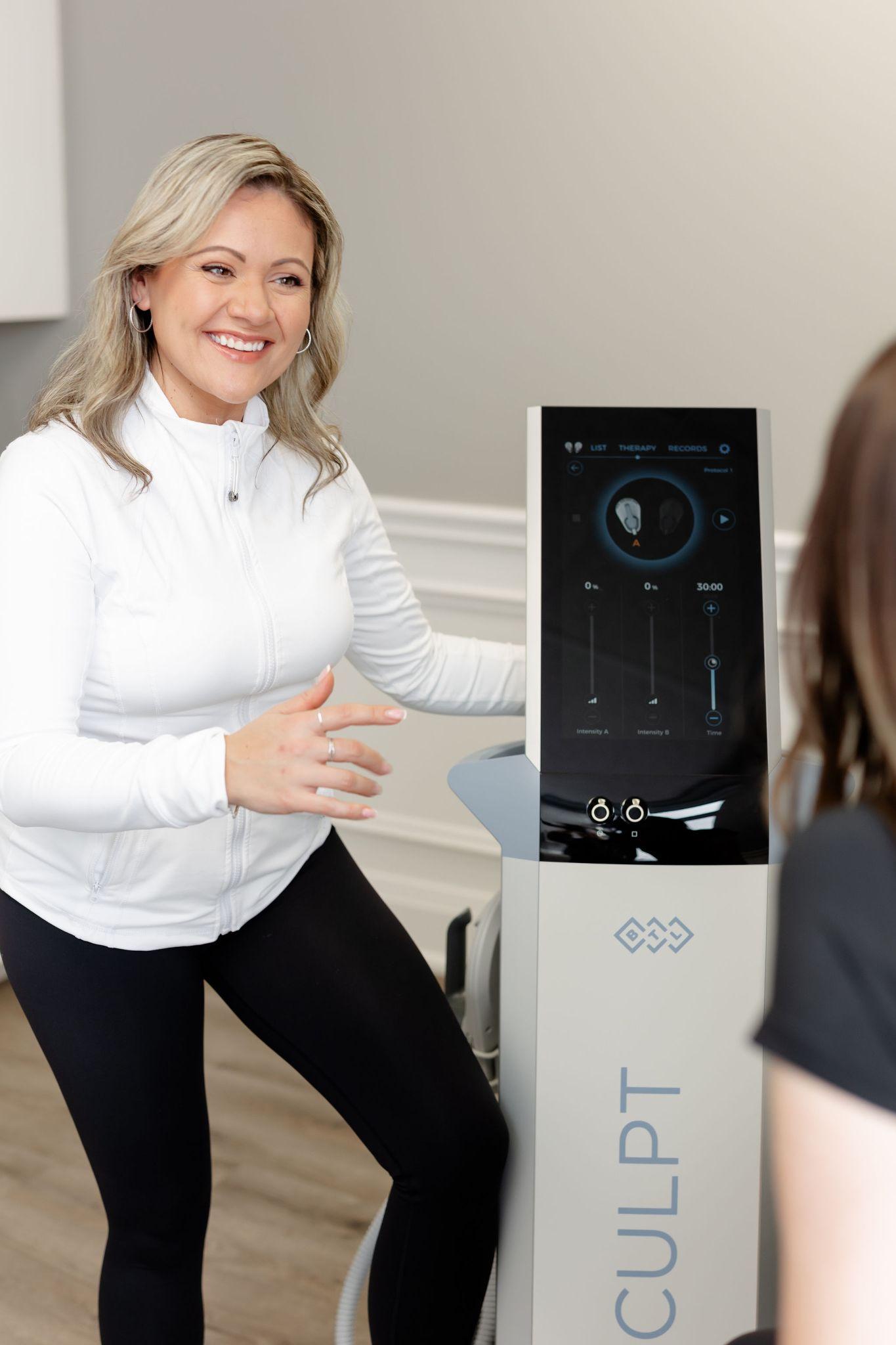
At Corelife Wellness, we combine pelvic physiotherapy with advanced core treatments like Venus Ab Rehab (Emsculpt technology) to support full abdominal engagement, particularly for postpartum recovery.
4. Hormonal Changes Matter
For women in perimenopause and menopause, estrogen decline can affect tissue quality and muscle responsiveness. This means that traditional strengthening alone may not provide sufficient support.
A comprehensive pelvic health solution considers hormonal stage, connective tissue integrity, and lifestyle factors.
Wondering if pelvic floor therapy is right for you? Get in touch with Corelife Wellness and we’ll walk you through your options.
If you are looking for pelvic health solutions in Mississauga, Oakville, or Burlington, choosing a clinic that understands life-stage transitions is essential.
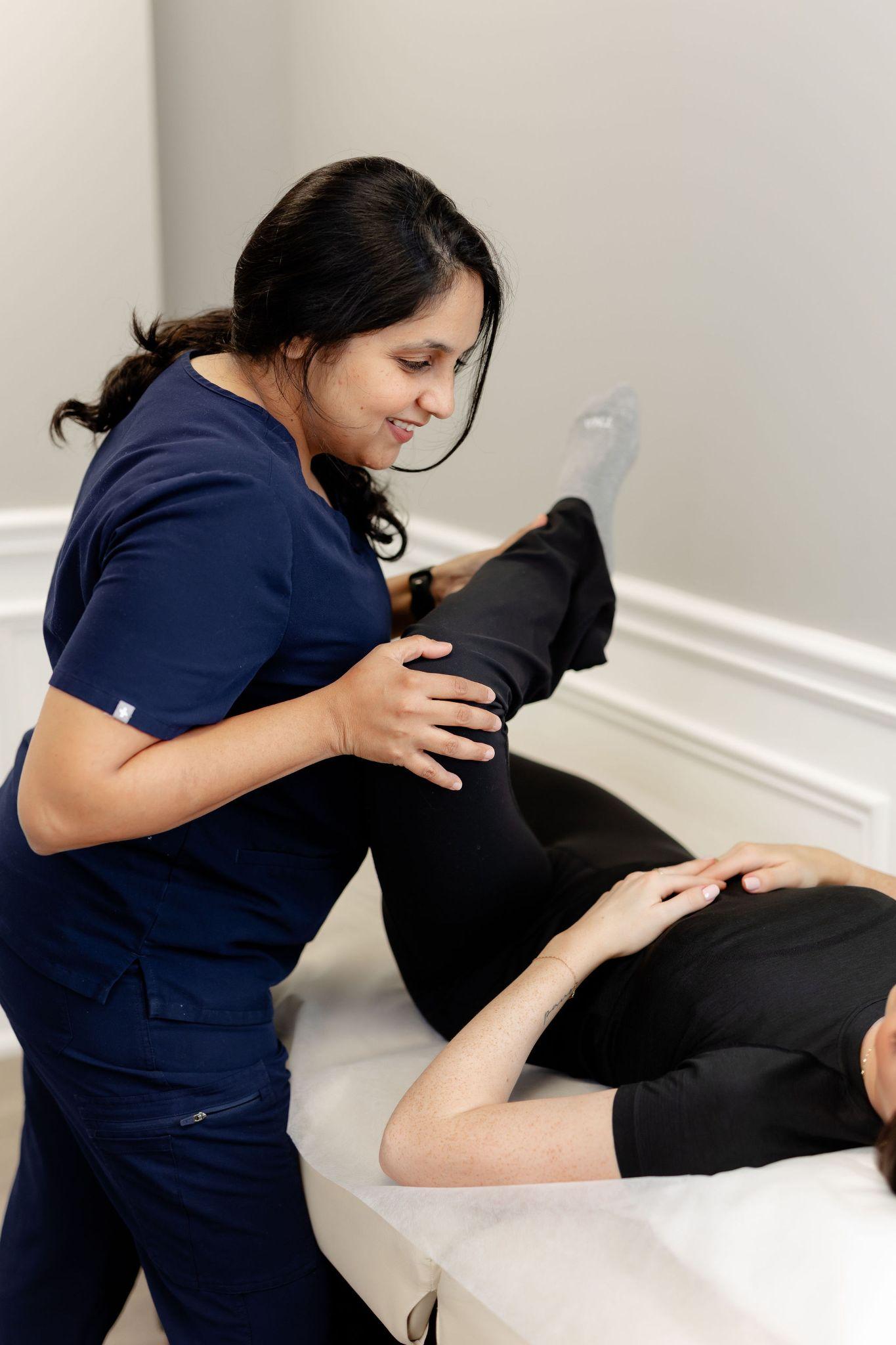
A Smarter Approach to Pelvic Floor Strengthening
Rather than relying solely on Kegels, evidence supports a multi-layered strategy.
Here’s what that looks like.
1. Comprehensive Pelvic Health Assessment
The first step is evaluation by a trained pelvic health physiotherapist. This includes assessing:
- Muscle strength
- Muscle coordination
- Relaxation ability
- Core function
- Breathing mechanics
- Posture
This assessment guides individualized treatment instead of generic exercise recommendations.
If you’re comparing options like physiotherapy in Oakville, Ontario, make sure pelvic health is a core specialty, not an add-on.
2. Coordinated Core and Pelvic Training
Modern pelvic health physiotherapy integrates:
- Breath training
- Core reactivation
- Functional movement
- Gradual strength progressions
Research supports combining pelvic floor training with abdominal strengthening for improved continence outcomes, particularly postpartum.
This whole-core method often leads to faster, more sustainable results.
3. Technology-Enhanced Pelvic Health Solutions
Some patients benefit from advanced non-invasive treatments that support muscle activation.
Emsella technology, for example, stimulates pelvic floor muscles through high-intensity focused electromagnetic energy. Clinical studies have shown improvement in urinary incontinence symptoms after a series of sessions.
For women with diastasis recti or significant core weakness, Venus Ab Rehab (Emsculpt-based technology) can help strengthen deep abdominal muscles when traditional exercise feels insufficient.
These tools are not replacements for physiotherapy; they are complementary supports when clinically appropriate.
4. Addressing Lifestyle and Movement Patterns
Daily habits impact pelvic health more than most people realize.
Factors include:
- Chronic breath-holding
- Heavy lifting without core coordination
- Constipation and straining
- High-impact exercise too early postpartum
Education and coaching help reduce the risk of re-injury and prevent recurring symptoms.
This is where working with a women’s health physiotherapy centre makes a meaningful difference.
Common Conditions That Need More Than Kegels
If you experience any of the following, it’s time to consider a broader approach:
- Bladder leaks when sneezing or exercising
- Feeling of pelvic heaviness or pressure
- Diastasis recti
- Pelvic pain
- Pain with intimacy
- Persistent lower back or hip discomfort
- Postpartum core weakness
Men over 30 may also experience pelvic floor dysfunction, particularly after prostate-related procedures or chronic strain patterns. A tailored physical therapy assessment in Oakville can clarify the cause.
Why Local Expertise Matters
When searching for physiotherapy in Oakville, Ontario, location is convenient, but specialization matters more.
Corelife Wellness provides pelvic health physiotherapy and advanced core recovery services in Oakville and Burlington. Our approach focuses on:
- Non-invasive treatments
- Science-backed care
- Personalized recovery plans
- Support for postpartum and perimenopausal transitions
While you may come across terms like best physiotherapy Oakville or physio and wellness during your search, the key question is whether the clinic truly focuses on pelvic health expertise.
Kegels Are a Tool, Not the Whole Toolbox
Kegels can help, but they are rarely the entire solution.
Pelvic health is dynamic and influenced by strength, coordination, breathing, hormones, posture, and lifestyle. A smarter approach looks at the entire system rather than isolating a single muscle group.
If you have been doing Kegels without improvement, that does not mean recovery is out of reach. It simply means your body may need a more comprehensive plan.
Take the First Step Toward Smarter Pelvic Health Care
If you’re in Oakville, Burlington, or surrounding Ontario communities and are looking for pelvic health physiotherapy that goes beyond generic exercises, Corelife Wellness is here to help.
Our team specializes in evidence-based pelvic health solutions, advanced core rehabilitation, and supportive care for postpartum and perimenopausal women.
Visit http://www.corelifewellness.ca to learn more or book a consultation. A personalized assessment can help you move forward with clarity, confidence, and real progress.
Ready to explore your treatment options? Reach out at www.corelifewellness.ca/contact and we’ll walk you through it.