
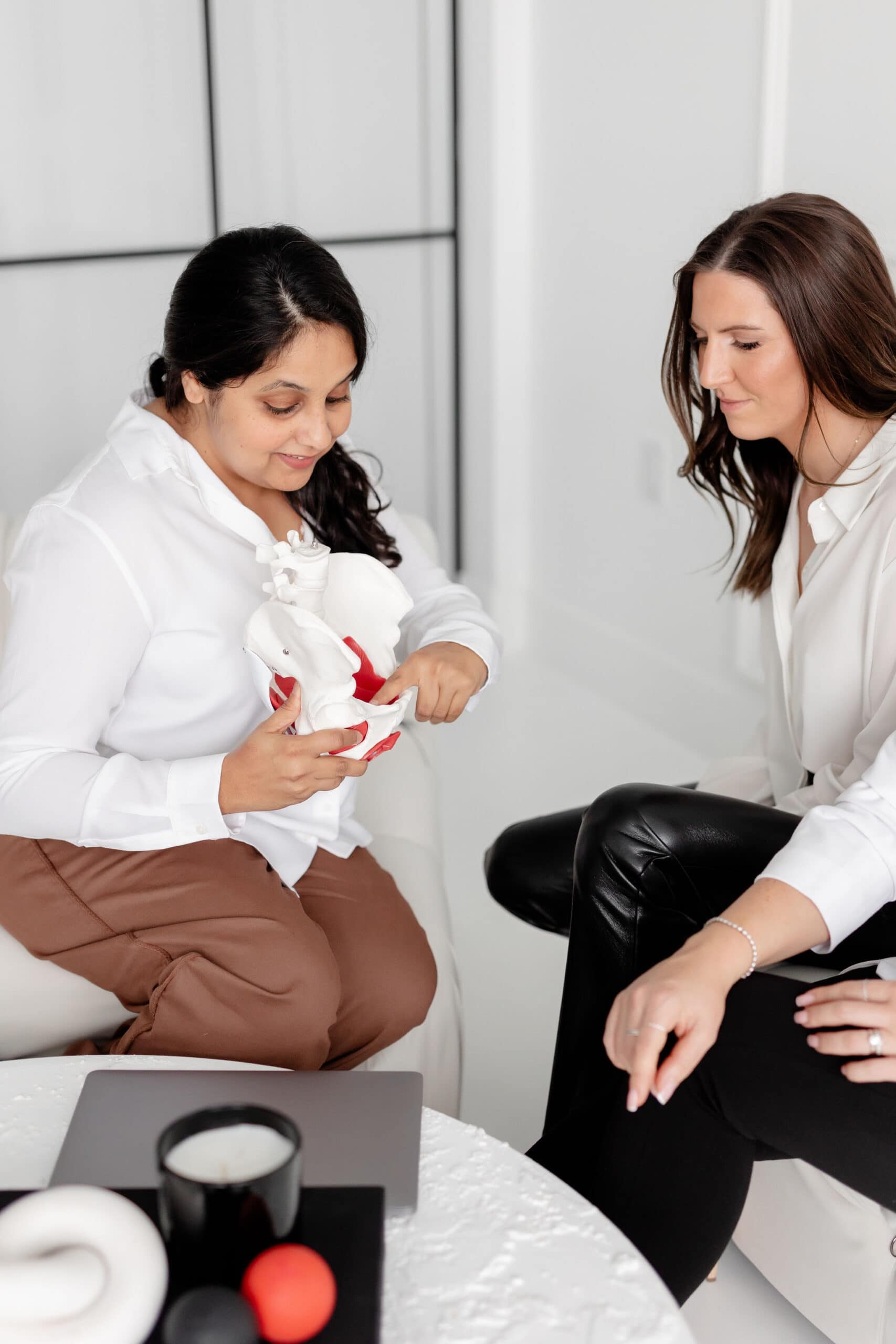
Bladder leaks during exercise are more common than many people realize, but they should never be considered something you simply have to live with. Whether it happens during a run, while lifting weights, or even when jumping on a trampoline with your children, urinary leakage is often a sign that your pelvic floor needs attention, not that you’re “getting older” or “just had a baby.”
At Corelife Wellness, women across Oakville, Burlington, and the Halton Region receive personalized care for pelvic floor concerns through evidence-based treatments, including pelvic floor physiotherapy, Emsella for bladder control, and comprehensive postpartum recovery programs. Addressing bladder leaks early can help you stay active, regain confidence, and improve your overall quality of life.
Bladder Leaks During Exercise Are More Common Than You Think
Exercise-related bladder leakage, also called stress urinary incontinence (SUI), occurs when physical activity increases pressure inside the abdomen faster than the pelvic floor muscles can respond.
Activities that commonly trigger leaks include:
- Running
- Jumping
- High-intensity interval training (HIIT)
- Tennis and pickleball
- Weightlifting
- Dancing
- Trampolining
- Aerobics
Although common, bladder leakage is not a normal part of exercise. It is often a symptom of pelvic floor dysfunction that can frequently be improved with conservative treatment.
Research published by the International Continence Society reports that stress urinary incontinence affects many physically active women, including younger athletes and postpartum individuals, highlighting that leakage is not limited to older adults.
Why Does Exercise Cause Bladder Leaks?
Your pelvic floor muscles act like a supportive hammock for the bladder, uterus, and bowel. During movement, these muscles automatically contract to help maintain bladder control.
Several factors can reduce their effectiveness, including:
|
Possible Cause |
How It Contributes |
|
Pregnancy and childbirth |
Stretches and weakens pelvic floor muscles and connective tissue |
|
Perimenopause |
Hormonal changes may affect tissue support and muscle function |
|
Core weakness |
Reduced abdominal support places additional strain on the pelvic floor |
|
Changes pressure management throughout the core |
|
|
High-impact exercise |
Repeated impact challenges pelvic floor strength Wondering if pelvic floor therapy is right for you? Get in touch with Corelife Wellness and we’ll walk you through your options. |
|
Chronic coughing or heavy lifting |
Places ongoing pressure on pelvic muscles and tissues |
Understanding the underlying cause is the first step toward finding an effective solution.
Don’t Ignore the Early Warning Signs
Many women adapt their lives around bladder leaks instead of addressing them.
You might:
- Wear pads during workouts
- Avoid jumping exercises
- Stop participating in sports
- Skip group fitness classes
- Reduce fluid intake before exercising
- Feel embarrassed during social activities
These adjustments may seem manageable initially, but they don’t solve the underlying issue.
A study published in the Journal of Women’s Health Physical Therapy found that urinary incontinence often leads women to reduce physical activity, potentially affecting cardiovascular and bone health, as well as overall well-being over time.
Staying active is important throughout every stage of life. Treating bladder leakage can help you continue exercising with greater comfort and confidence.
Is It Always a Weak Pelvic Floor?
Not necessarily.
Many people assume bladder leaks always mean weak muscles, but that’s only part of the picture.
Sometimes the pelvic floor may actually be:
- Too tight
- Poorly coordinated
- Slow to respond during movement
- Working alongside weak core muscles
- Compensating for breathing or posture issues
This is why individualized assessment matters.
At Corelife Wellness, pelvic floor physiotherapy focuses on understanding how your muscles work, not simply recommending repetitive exercises without evaluation.
How Pelvic Floor Physiotherapy Can Help
One of the most effective first-line treatments for stress urinary incontinence is women’s pelvic health physiotherapy.
A personalized assessment may include:
- Pelvic floor muscle function
- Core muscle activation
- Breathing mechanics
- Movement patterns during exercise
- Posture
- Lifestyle factors
Your treatment plan may involve:
- Pelvic floor muscle training
- Core strengthening
- Breathing coordination
- Functional movement retraining
- Education about bladder habits
- Progressive return-to-exercise guidance
The National Institute for Health and Care Excellence (NICE) recommends supervised pelvic floor muscle training as a first-line treatment for stress urinary incontinence before considering more invasive options.
For women seeking pelvic floor physiotherapy in Oakville, Burlington, and nearby communities, early intervention often leads to better long-term outcomes.
When Is Emsella an Option?
Some women benefit from additional support alongside physiotherapy.
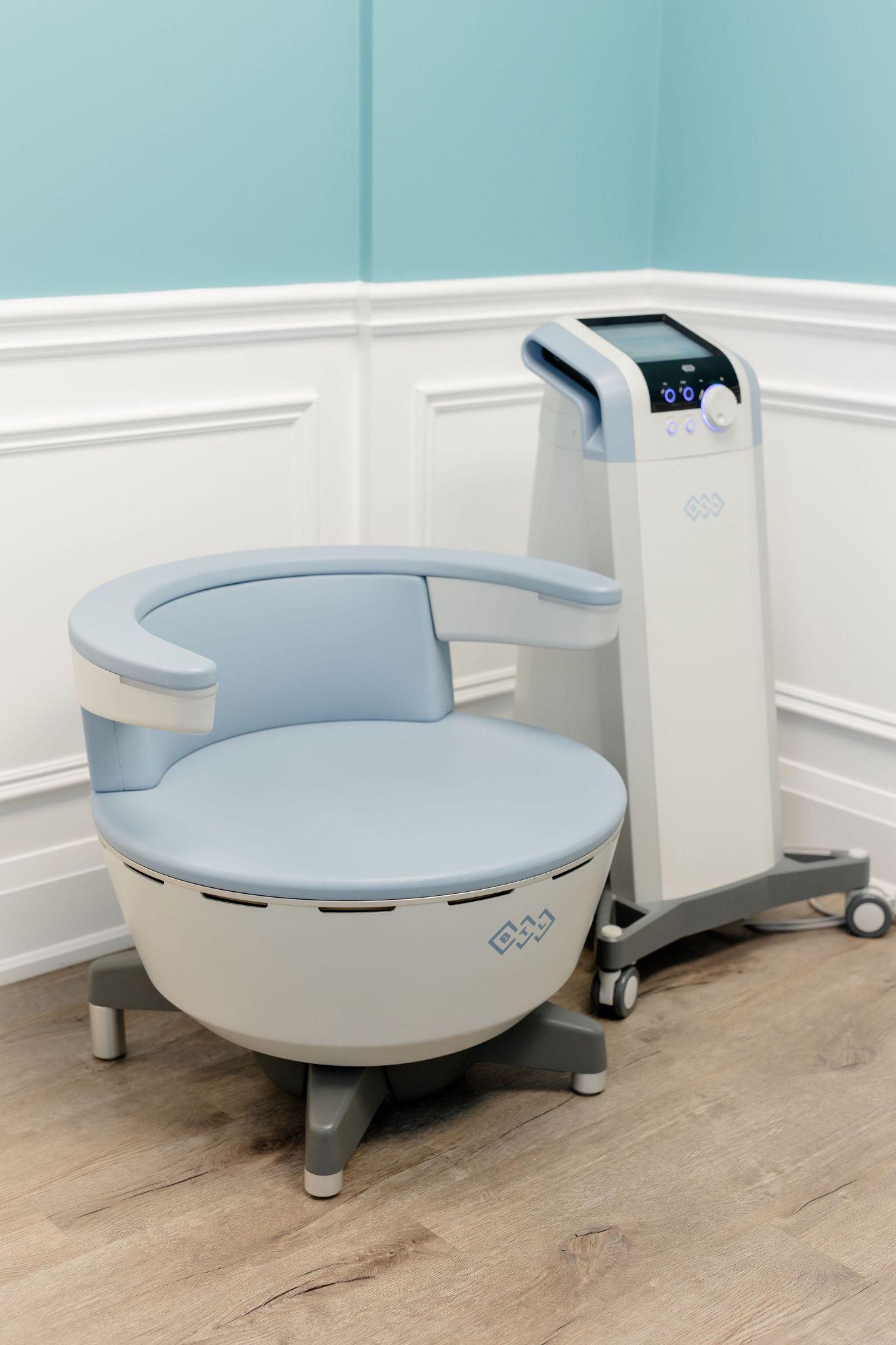
Corelife Wellness also offers Emsella for bladder control.
Emsella uses high-intensity focused electromagnetic technology to stimulate thousands of pelvic floor muscle contractions during each treatment session while you remain fully clothed.
It may be appropriate for women experiencing:
- Mild to moderate bladder leakage
- Difficulty activating pelvic floor muscles
- Ongoing symptoms despite home exercises
- Busy lifestyles that benefit from non-invasive treatment options
While Emsella is not a replacement for individualized physiotherapy in every case, it can complement a comprehensive treatment plan developed by your provider.
If you’re looking for Emsella in Oakville or surrounding areas, a consultation can determine whether it’s appropriate for your needs.
Don’t Overlook Your Core
The pelvic floor doesn’t work alone.
It functions together with:
- Deep abdominal muscles
- Diaphragm
- Back muscles
- Hips
- Glutes
If your core has been affected by pregnancy, surgery, or diastasis recti, restoring strength throughout the entire system can improve both movement and bladder control.
Corelife Wellness also offers Venus Ab Rehab Canada, an advanced treatment designed to support abdominal muscle strengthening and diastasis recti recovery alongside personalized rehabilitation.
This whole-body approach helps many women return to exercise more comfortably.
When Should You Seek Help?
Consider booking an assessment if you:
- Leak urine during workouts
- Leak when coughing or sneezing
- Avoid certain exercises because of bladder concerns
- Notice symptoms after childbirth
- Experience new bladder changes during perimenopause
- Feel your core isn’t recovering after pregnancy
The earlier these symptoms are assessed, the easier they often are to manage conservatively.
You don’t need to wait until symptoms become severe.
Small Changes Can Make a Big Difference
Alongside professional treatment, these habits may support recovery:
- Avoid delaying bathroom visits for long periods.
- Stay hydrated instead of restricting fluids.
- Practice breathing techniques during exercise.
- Build strength gradually after pregnancy.
- Follow your therapist’s personalized exercise plan.
- Address constipation, which can increase pelvic floor pressure.
These strategies work best when combined with individualized care rather than self-diagnosis.
Frequently Asked Questions
Is Bladder Leakage After Childbirth Normal?
It’s common, but it shouldn’t be something you simply have to accept. Many postpartum women improve significantly with pelvic floor rehabilitation.
Can I Still Exercise If I Have Bladder Leaks?
In many cases, yes. A pelvic health physiotherapist can recommend modifications to help you stay active while addressing the underlying cause.
Will Kegel Exercises Fix Bladder Leakage?
Not always. Some women need strengthening, while others need muscle relaxation, coordination, or improved core function. An assessment helps determine the right approach.
How Long Does Treatment Take?
Recovery varies depending on the cause, symptom severity, and consistency with treatment. Your provider can create a personalized plan after your assessment.

Take the First Step Toward Confident Movement
Bladder leaks during exercise may be common, but they are treatable. You don’t have to avoid workouts, give up your favorite activities, or accept leakage as part of everyday life.
If you’re looking for bladder leakage treatment in Oakville, pelvic floor physiotherapy in Oakville, postpartum recovery in Burlington, or evidence-based solutions for women’s pelvic health throughout the Halton Region, the experienced team at Corelife Wellness is here to help.
Book your free consultation today by visiting https://corelifewellness.ca/ and discover how personalized pelvic health care can help you return to movement with greater comfort and confidence.
Have questions about pelvic floor treatment? Reach out at www.corelifewellness.ca/contact and we’ll help you find the right solution.