
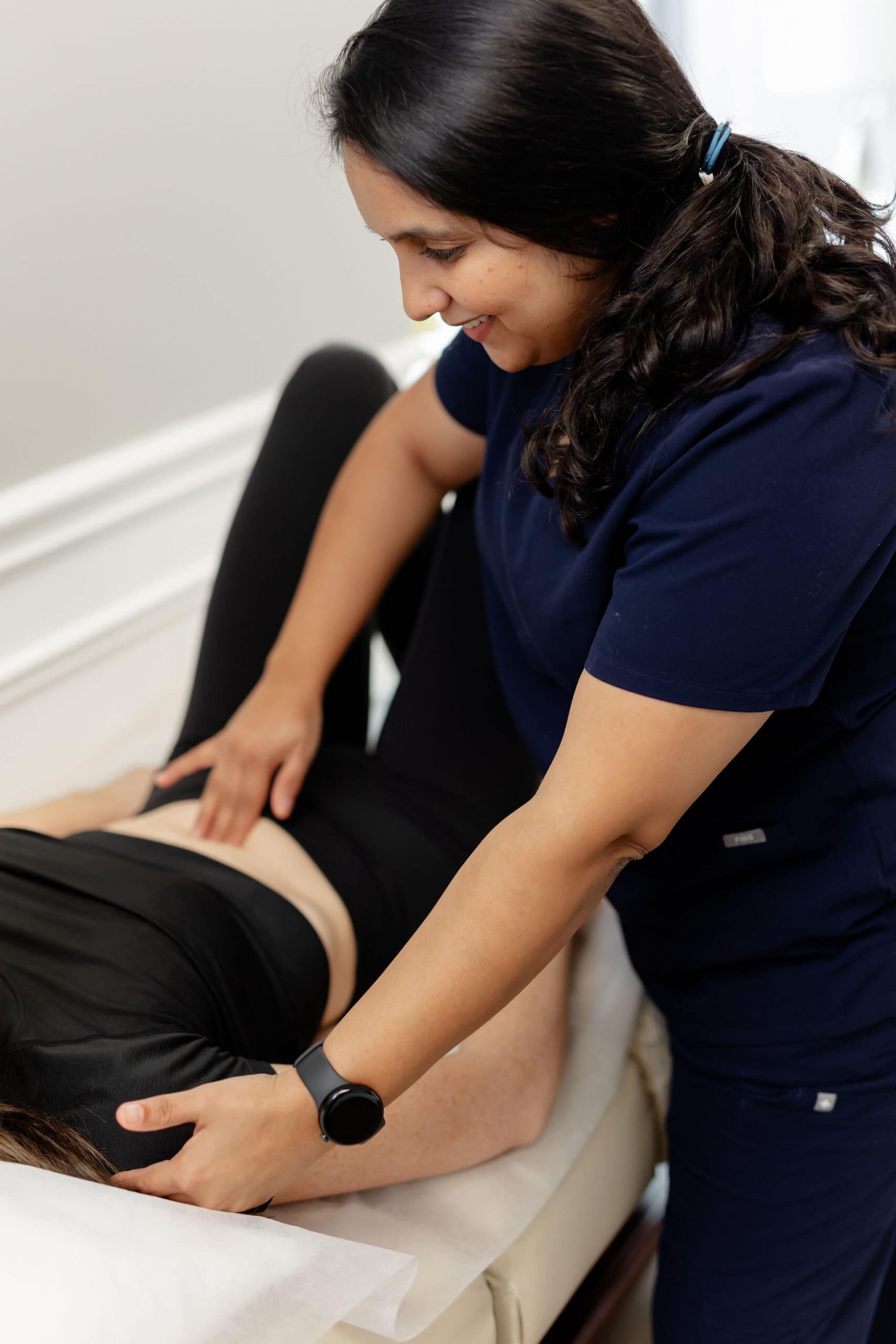
Many people assume that a weak core simply means they need to exercise more. While inactivity can certainly reduce muscle strength, core weakness isn’t always caused by deconditioning alone. For postpartum women, people who have given birth, and those experiencing perimenopause, persistent core weakness may be linked to changes in the abdominal muscles, pelvic floor, or connective tissues that require a different approach than traditional fitness programs.
At Corelife Wellness, helping women throughout Oakville, Burlington, and the Halton Region understand the cause of their symptoms is the first step toward lasting improvement. Whether you’re dealing with abdominal weakness, bladder leaks, poor posture, or difficulty returning to exercise, identifying the underlying issue can help you choose the most appropriate treatment.
What Does “Core Weakness” Really Mean?
Your core is much more than your abdominal muscles. It includes:
- Deep abdominal muscles
- Pelvic floor muscles
- Diaphragm
- Back muscles
- Hip stabilizers
These muscles work together to stabilize your spine, support movement, maintain balance, and help manage pressure within your abdomen.
When one part of this system isn’t functioning well, everyday activities such as lifting a child, climbing stairs, exercising, or even coughing may become more challenging.
Deconditioning vs. Underlying Core Dysfunction
Although both conditions can feel similar, their causes and treatment strategies are often very different.
|
Deconditioning |
Underlying Core Dysfunction |
|
Develops after inactivity |
May occur after pregnancy, childbirth, surgery, or hormonal changes |
|
Gradually improves with regular exercise |
Often persists despite exercise |
|
General muscle weakness |
Weakness combined with instability or pelvic symptoms |
|
Usually affects overall fitness |
Often involves the abdominal wall and pelvic floor specifically |
|
Standard strengthening programs help |
Specialized rehabilitation is often recommended |
Understanding which category you fall into can prevent months of frustration.
Signs Your Core Weakness May Be More Than Deconditioning
1. Your Core Doesn’t Improve Despite Regular Exercise
If you’ve been consistently working out but still struggle with abdominal strength or stability, your issue may involve muscle coordination rather than simple strength.
For example, diastasis recti, a separation of the abdominal muscles, changes how the abdominal wall generates force. Traditional abdominal exercises may not adequately address this condition and can sometimes increase pressure if performed incorrectly.
This is why many women seek diastasis recti treatment in Ontario after discovering that standard fitness classes haven’t resolved their symptoms.
2. You Experience Bladder Leaks During Daily Activities
Bladder leakage is not an expected part of motherhood or aging.
If you leak urine while:
- Sneezing
- Laughing
- Jumping
- Running
- Lifting heavy objects
your pelvic floor may not be providing adequate support.
A large review published in the Cochrane Database of Systematic Reviews found that supervised pelvic floor muscle training significantly improves urinary incontinence for many women, particularly stress urinary incontinence, making it one of the first-line conservative treatments recommended internationally.
This is why many people searching for bladder leakage treatment in Oakville benefit from an assessment before assuming exercise alone will solve the problem.
Curious how this works in practice? Reach out to the Corelife Wellness team for a free consultation.
3. You Notice an Abdominal Bulge or “Doming”
If your abdomen creates a ridge or dome when sitting up or performing exercises, increased abdominal pressure may not be distributing efficiently.
This may indicate:
- Diastasis recti
- Poor pressure management
- Reduced deep core activation
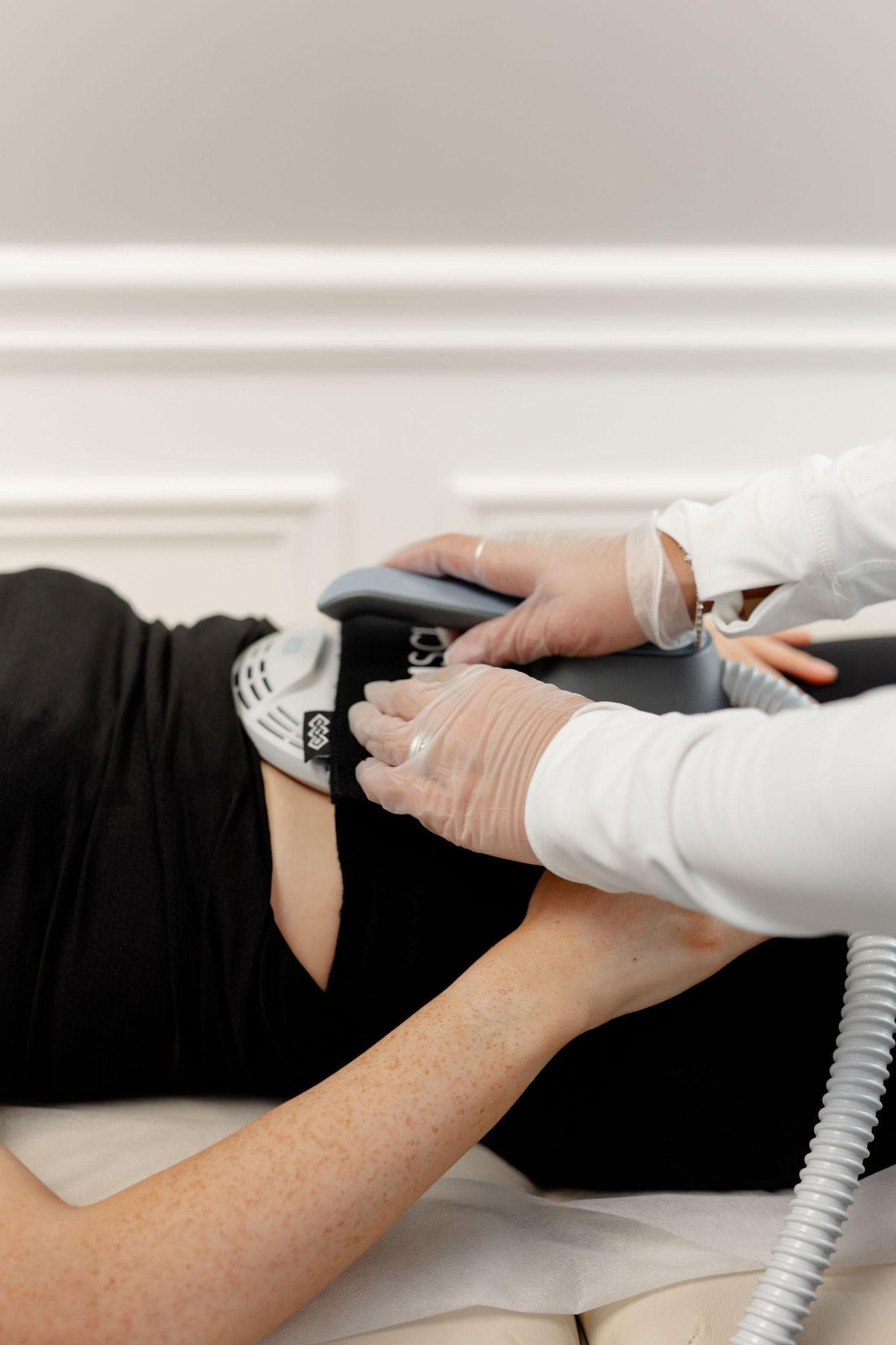
Professional assessment helps determine whether rehabilitation, Venus Ab Rehab Canada treatments, or a combination of therapies may be appropriate.
4. You Experience Ongoing Back or Pelvic Pain
Persistent lower back discomfort isn’t always caused by the spine itself.
Reduced core stability can increase the workload placed on surrounding muscles and joints.
Research published in the Journal of Orthopedic & Sports Physical Therapy has shown that individuals with chronic low back pain often exhibit altered activation of the deep trunk muscles that support spinal stability, highlighting the importance of restoring coordinated core function rather than focusing solely on strengthening superficial muscles.
5. You’re Postpartum but Still Feel Weak Months Later
Healing timelines vary considerably.
Many postpartum individuals expect to “bounce back,” yet pregnancy places significant demands on the abdominal wall and pelvic floor.
If you continue experiencing:
- Core instability
- Difficulty lifting your child
- Pelvic heaviness
- Reduced exercise tolerance
- Persistent abdominal separation
a comprehensive evaluation may help identify contributing factors.
A dedicated postpartum recovery clinic in Burlington can develop a personalized rehabilitation plan based on your body’s current needs rather than a generic exercise program.
6. Perimenopause Has Changed How Your Body Feels
Hormonal changes during perimenopause affect more than hot flashes.
Reduced estrogen levels may influence:
- Muscle mass
- Connective tissue quality
- Recovery capacity
- Pelvic floor support
These changes can contribute to feelings of instability or reduced strength, even among women who have remained physically active.
Working with professionals experienced in women’s pelvic health physiotherapy allows treatment to be adapted to these life-stage changes.
Why an Assessment Matters
Many symptoms overlap.
Someone with bladder leakage may also have:
- Diastasis recti
- Pelvic floor weakness
- Core coordination issues
- Breathing pattern dysfunction
Rather than guessing, an assessment helps identify:
- The actual source of weakness
- Muscle coordination patterns
- Functional limitations
- Appropriate treatment options
- Realistic recovery goals
This individualized approach often leads to more efficient progress.
Treatment Options That Support Core Recovery
At Corelife Wellness, treatment plans are based on each person’s goals, symptoms, and assessment findings.
Depending on your needs, recommendations may include:
|
Treatment |
How It May Help |
|
Pelvic floor physiotherapy Oakville |
Improves coordination, strength, bladder control, and pelvic support |
|
Venus Ab Rehab Canada |
Supports core muscle activation using advanced muscle stimulation technology alongside rehabilitation |
|
Emsella Oakville |
Non-invasive treatment designed to strengthen pelvic floor muscles for bladder control |
|
Personalized exercise programs |
Restore functional movement safely |
|
Education and lifestyle guidance |
Improve breathing, lifting strategies, posture, and pressure management |
Rather than replacing physiotherapy, technologies such as Venus Ab Rehab and Emsella are often integrated into a broader rehabilitation program when clinically appropriate.
When Should You Seek Professional Help?
Consider scheduling an assessment if:
- Your symptoms have lasted longer than several weeks
- Exercise hasn’t improved your core strength
- You experience bladder leakage
- You have abdominal separation after pregnancy
- You feel unstable during daily activities
- You experience ongoing pelvic or back discomfort
- You’re unsure which exercises are appropriate
Early assessment may help prevent compensation patterns and guide a more effective recovery plan.

Why Local Care Makes a Difference
Choosing a clinic familiar with women’s pelvic health provides ongoing support across different stages of life.
Whether you’re looking for:
- Pelvic floor physiotherapy in Oakville
- Diastasis recti treatment in Ontario
- Emsculpt Oakville
- Bladder leakage treatment in Oakville
- Postpartum recovery clinic Burlington
- Women’s pelvic health physiotherapy
- Emsella Oakville
Receiving care close to home makes follow-up appointments and long-term progress easier to maintain.
Book Your Free Consultation with Corelife Wellness
Core weakness isn’t always the result of spending less time at the gym. For many postpartum and perimenopausal women, it reflects changes in the abdominal wall, pelvic floor, or overall core function that benefit from specialized care.
If you’ve been working hard but still don’t feel strong, it may be time for a professional assessment. The experienced team at Corelife Wellness provides personalized, evidence-informed care for women throughout Oakville, Burlington, and the Halton Region. Whether you’re interested in pelvic floor physiotherapy, Venus Ab Rehab, Emsella, or a customized recovery plan, they can help you better understand your body and move forward with confidence.
Book your free consultation today by visiting https://corelifewellness.ca/ and take the next step toward stronger core health and improved everyday function.
Ready to explore your treatment options? Reach out at www.corelifewellness.ca/contact and we’ll walk you through it.