

Pregnancy and childbirth place extraordinary demands on the body. While many people expect changes such as fatigue, weight fluctuations, or sleep disruptions after welcoming a baby, core weakness is often overlooked. Yet for many women and people who give birth, a weakened core can affect everything from posture and movement to bladder control and confidence.
At Corelife Wellness, many clients across Oakville, Burlington, and the Halton Region are surprised to learn that ongoing back pain, abdominal separation, pelvic discomfort, or bladder leaks may be connected to postpartum core dysfunction. The good news is that recovery is possible with the right support and evidence-based treatment.
Understanding what causes core weakness after pregnancy and how to rebuild safely can help you take the next step toward feeling stronger and more confident in your body.
What Is Core Weakness After Pregnancy?
The core is much more than the abdominal muscles. It is a coordinated system that includes:
- Deep abdominal muscles
- Pelvic floor muscles
- Diaphragm
- Back muscles
- Connective tissues that support the trunk and pelvis
During pregnancy, these structures stretch and adapt to accommodate a growing baby. Research published in the Journal of Physical Therapy has shown that abdominal muscle separation and changes in muscle function are common during pregnancy and the postpartum period.
After birth, the body does not automatically return to its pre-pregnancy state. Many women experience:
- Reduced abdominal strength
- Difficulty engaging core muscles
- Pelvic floor weakness
- Lower back pain
- Bladder leakage
- Reduced stability during exercise
These symptoms are common, but they should not be considered something you simply have to live with.
Why Core Weakness Happens
Several factors contribute to postpartum core weakness.
Diastasis Recti
One of the most common causes is diastasis recti, a separation of the rectus abdominis muscles that occurs as the abdomen expands during pregnancy.
Research suggests that many women experience some degree of abdominal separation in the months following childbirth. While mild separation often improves naturally, some individuals continue to experience weakness, instability, and changes in abdominal function.
This is why many women seeking diastasis recti treatment in Ontario often report difficulty returning to exercise, lifting their children comfortably, or regaining confidence in their core strength.
Pelvic Floor Changes
The pelvic floor and abdominal muscles work together as part of the core system.
Pregnancy and delivery can place significant strain on the pelvic floor muscles, potentially contributing to:
- Bladder leaks
- Pelvic heaviness
- Core instability
- Reduced strength
For this reason, women’s pelvic health physiotherapy often addresses both pelvic floor function and abdominal rehabilitation together.
Changes in Movement Patterns
Many new mothers spend hours feeding, carrying, rocking, and lifting their babies. These repetitive activities can place additional stress on already weakened muscles.
Over time, compensation patterns may develop, leading to:
- Neck pain
- Shoulder tension
- Lower back discomfort
- Reduced mobility
Signs Your Core May Need Support
Core weakness can appear in different ways.
You may benefit from an assessment if you experience:
|
Common Symptom |
Possible Connection |
|
Bladder leakage when sneezing or exercising |
Pelvic floor weakness |
|
Lower back pain |
Reduced core stability |
|
Abdominal bulging during movement |
Diastasis recti |
|
Difficulty returning to exercise |
Core dysfunction |
|
Pelvic discomfort or heaviness |
Pelvic floor changes |
|
Poor posture or balance |
Weak abdominal support |
Looking for expert guidance on your pelvic health? Talk to Corelife Wellness about your wellness journey.
If any of these symptoms sound familiar, seeking professional guidance can help identify the underlying cause.
Why Traditional Fitness Advice Isn’t Always Enough
Many women attempt to strengthen their core by performing sit-ups, planks, or online workout programs.
Unfortunately, generic fitness advice may not address postpartum recovery needs.
In some cases, exercises performed too early or incorrectly may increase abdominal pressure and potentially worsen symptoms.
Every postpartum body is different. Factors such as:
- Delivery method
- Presence of diastasis recti
- Pelvic floor function
- Activity level
- Existing pain or injuries
Can influence which exercises are most appropriate.
This is where specialized care becomes valuable.
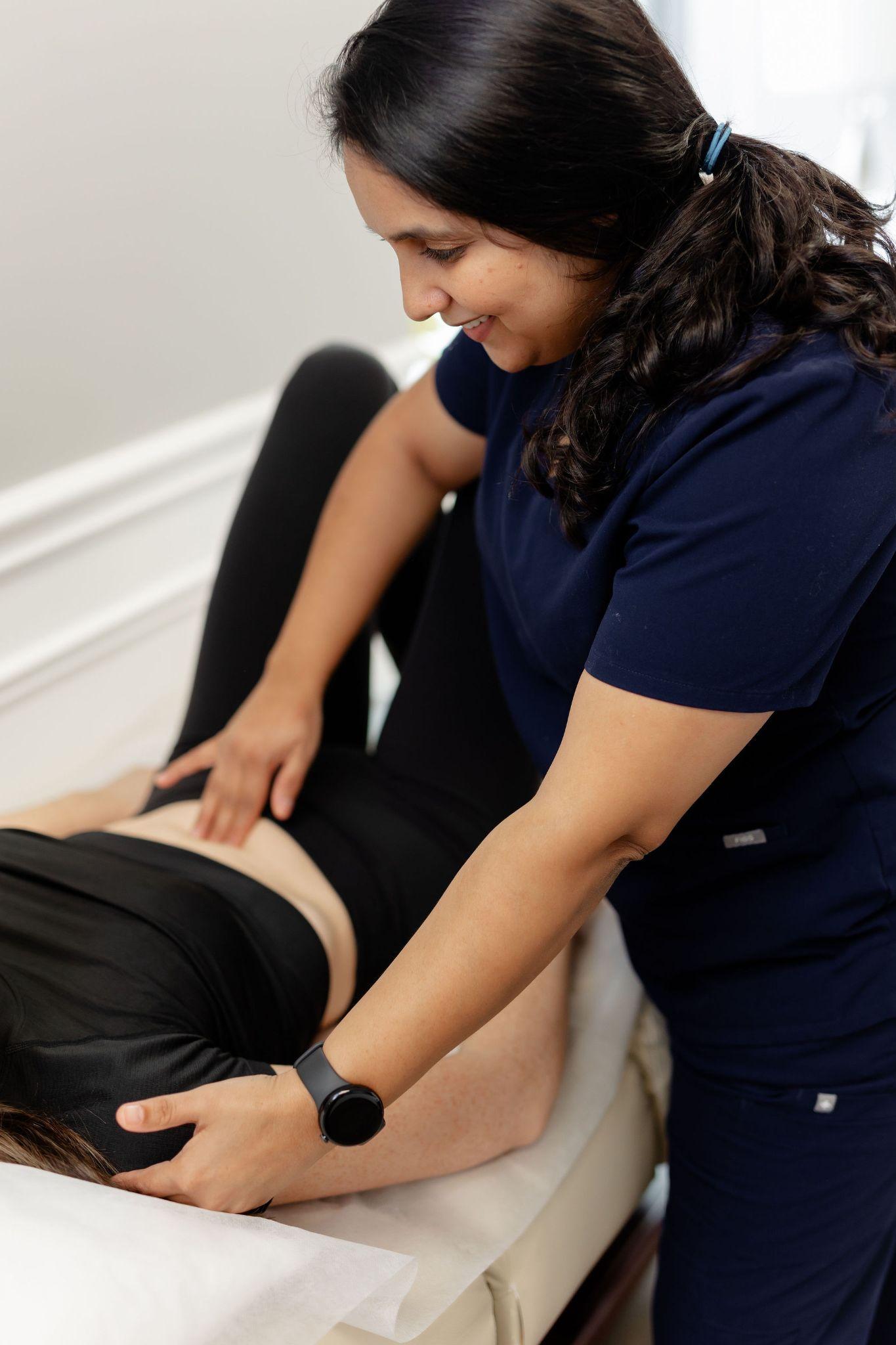
The Role of Pelvic Floor Physiotherapy
One of the most effective ways to begin rebuilding strength is through pelvic floor physiotherapy in Oakville and the surrounding area.
A pelvic health physiotherapist can assess:
- Core muscle activation
- Pelvic floor function
- Breathing mechanics
- Posture
- Movement patterns
- Diastasis recti severity
Based on these findings, a personalized recovery plan can be developed.
Treatment may include:
- Breathing strategies
- Core retraining exercises
- Pelvic floor strengthening
- Functional movement education
- Posture and lifting guidance
The goal is not simply stronger muscles it is restoring how the entire core system works together.
How Venus Ab Rehab Supports Recovery
At Corelife Wellness, some clients may benefit from Venus Ab Rehab Canada treatments as part of a comprehensive recovery plan.
Venus Ab Rehab uses advanced muscle stimulation technology to help activate and strengthen abdominal muscles. This treatment is often used to support recovery from:
- Core weakness
- Diastasis recti
- Reduced abdominal muscle function
Unlike traditional workouts that depend on voluntary muscle contractions, the technology helps recruit deeper muscle fibers that may be difficult to engage after pregnancy.
When combined with physiotherapy and healthy movement habits, Venus Ab Rehab can be a valuable option for postpartum recovery.
Addressing Bladder Leaks and Pelvic Floor Dysfunction
Many women assume bladder leakage after childbirth is normal.
While common, it is not something you should have to accept indefinitely.
Research published in the International Urogynecology Journal has shown that pelvic floor rehabilitation can significantly improve symptoms of urinary incontinence.
At Corelife Wellness, women seeking bladder leakage treatment in Oakville often discover that strengthening the pelvic floor and core together provides the best outcomes.
For some individuals, Emsella treatments in Oakville may also complement a recovery program.
Emsella uses high-intensity electromagnetic technology to stimulate thousands of pelvic floor contractions during a treatment session. This can help improve pelvic floor strength and support bladder control.
Safe Steps to Rebuild Your Core
Recovery does not happen overnight, but gradual progress can produce meaningful results.
1. Focus on Breathing
Proper breathing helps coordinate the diaphragm, abdominal muscles, and pelvic floor.
Many postpartum recovery programs begin here because breathing mechanics form the foundation of core function.
2. Avoid Rushing Into High-Impact Exercise
Jumping, running, and intense abdominal workouts may place excessive pressure on healing tissues.
Gradual progression is typically safer and more effective.
3. Address Pelvic Floor Health
Pelvic floor rehabilitation is often a critical component of rebuilding overall core strength.
4. Seek Professional Assessment
An individualized assessment helps identify what your body specifically needs.
5. Be Patient With Recovery
Healing timelines vary. Comparing yourself to others can create unnecessary frustration.
The goal is sustainable recovery, not rapid recovery.
Recovery Is About More Than Appearance
Core strength after pregnancy is not simply about achieving a certain look.
A stronger core can support:
- Improved posture
- Better balance
- Reduced pain
- Greater confidence
- Enhanced daily function
- Improved bladder control
- A safer return to exercise
When recovery focuses on function rather than appearance, long-term outcomes are often more meaningful.

Rebuild Your Strength With Confidence
If you’re experiencing core weakness, bladder leaks, pelvic discomfort, or signs of diastasis recti, support is available.
At Corelife Wellness, we help women throughout Oakville, Burlington, and the Halton Region rebuild strength through evidence-based care, including women’s pelvic health physiotherapy, pelvic floor physiotherapy Oakville, Emsella Oakville, and Venus Ab Rehab Canada treatments.
You do not have to navigate postpartum recovery alone.
Book Your Free Consultation Today
The first step toward feeling stronger starts with understanding what your body needs. Visit https://corelifewellness.ca/ to learn more about our services and schedule your free consultation. Together, we can create a personalized plan to help you safely restore strength, confidence, and control.
Ready to explore your treatment options? Reach out at www.corelifewellness.ca/contact and we’ll walk you through it.