

Bladder leaks, pelvic discomfort, and changes in core strength can affect everyday activities, yet many people are unsure when to seek professional support. These concerns may develop after childbirth, during menopause, following surgery, or as part of the natural ageing process. Fortunately, pelvic floor physiotherapy offers a non-surgical approach to understanding and managing these symptoms.
If you’re searching for pelvic floor physiotherapy in Mississauga, knowing what happens during an appointment can help you choose the right provider and feel more confident about treatment.
At Corelife Wellness, located in nearby Oakville, patients from Mississauga and surrounding communities can explore pelvic health services, including pelvic floor physiotherapy and non-invasive technologies designed to support muscle function and bladder control.
This guide explains who may benefit, what to expect during an assessment, and the important questions to ask before booking.
What Is Pelvic Floor Physiotherapy?
Pelvic floor physiotherapy is a specialised form of rehabilitation focused on the muscles, tissues, and movement patterns that support the bladder, bowel, and pelvic organs.
These muscles contribute to urinary control, bowel function, sexual health, and core stability.
When pelvic floor muscles become weak, overly tense, or poorly coordinated, symptoms may develop.
A pelvic floor physiotherapist evaluates how these muscles function and creates an individualised treatment programme.
Depending on your needs, treatment may include guided exercises, breathing techniques, muscle relaxation, bladder training, and education about daily habits.
Importantly, pelvic floor physiotherapy is not simply about performing more Kegel exercises. Some people need to improve muscle relaxation or coordination before strengthening exercises become appropriate.
Signs You May Benefit From Pelvic Floor Physiotherapy
Pelvic floor dysfunction can affect people of different ages and genders.
Common reasons to consider pelvic floor physiotherapy include:
- Bladder leaks: Urine leakage when coughing, laughing, jumping, or exercising.
- Urinary urgency: Experiencing sudden, difficult-to-control urges to urinate.
- Pelvic discomfort: Persistent pressure, tension, or discomfort around the pelvic region.
- Postpartum weakness: Changes in pelvic floor strength or coordination after pregnancy and childbirth.
- Pelvic organ prolapse: Symptoms such as heaviness, pressure, or a vaginal bulge.
- Diastasis recti: Abdominal muscle separation that may occur during pregnancy.
- Post-prostate surgery concerns: Urinary control difficulties following prostate treatment.
These symptoms do not automatically indicate muscle weakness. A proper assessment helps identify what may be contributing to your concerns.
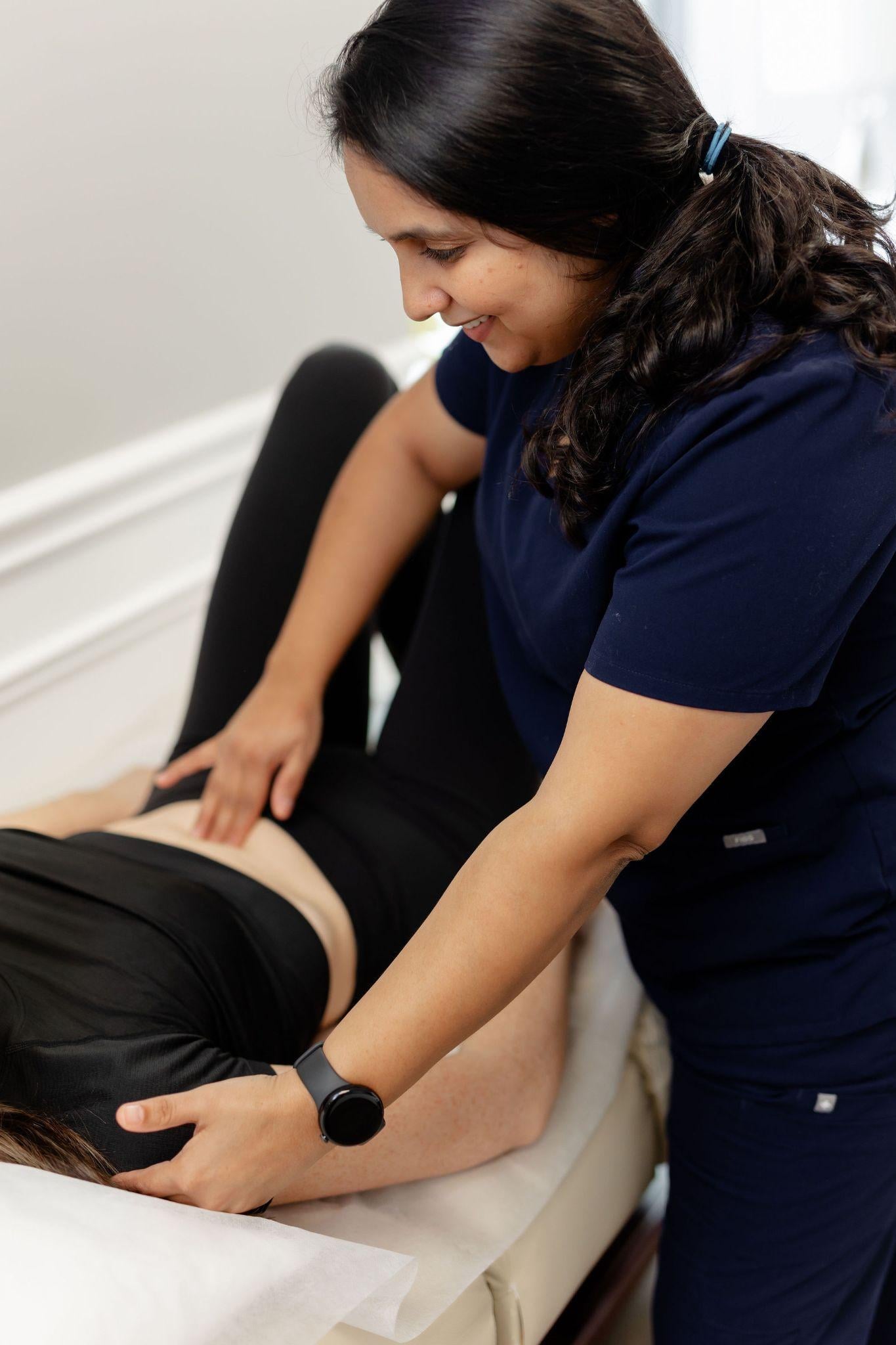
What Happens During Your First Pelvic Floor Physiotherapy Appointment?
Your initial appointment usually focuses on understanding your symptoms and identifying an appropriate treatment approach.
1. Discussing your medical history
Your physiotherapist may ask about pregnancies, surgeries, bladder habits, bowel function, medications, and current symptoms.
You can also explain how your concerns affect exercise, work, sleep, or daily routines.
2. Assessing movement and muscle function
An assessment may involve observing posture, breathing, abdominal coordination, and pelvic floor muscle control.
An internal pelvic examination may be offered when clinically appropriate, but it requires your informed consent. You can decline or stop an internal assessment.
3. Developing your treatment plan
Your physiotherapist will explain the findings and recommend exercises or other interventions based on your symptoms.
Treatment goals may include improving bladder control, reducing discomfort, or restoring confidence during physical activity.
Does Pelvic Floor Physiotherapy Work?
Research supports pelvic floor muscle training as an effective treatment for certain types of urinary incontinence.
A 2018 Cochrane systematic review by Dumoulin and colleagues examined 31 trials involving 1,817 women with urinary incontinence.
The review found that women with stress urinary incontinence who received pelvic floor muscle training were substantially more likely to report improvement or resolution of symptoms than those receiving no treatment or inactive control interventions.
These findings support supervised pelvic floor muscle training as an important conservative treatment option, particularly for stress urinary incontinence.
However, treatment results depend on the underlying condition, exercise technique, consistency, and individual circumstances.
Pelvic Floor Physiotherapy After Pregnancy and Childbirth
Pregnancy and childbirth can place considerable demands on the pelvic floor and abdominal muscles.
Some women experience bladder leakage, pelvic heaviness, or reduced core strength during postpartum recovery.
Pelvic floor physiotherapy can help assess these changes and guide a gradual return to daily activities and exercise.
Treatment may address breathing coordination, abdominal strength, scar discomfort, and pelvic floor function.
Women experiencing diastasis recti may also benefit from an individualised core rehabilitation programme.
A 2020 Cochrane review by Woodley and colleagues examined pelvic floor muscle training during pregnancy and after childbirth.
The review found evidence that structured pelvic floor muscle training during pregnancy can reduce the likelihood of urinary incontinence later in pregnancy and during the postpartum period, particularly among women who were continent when training began.
The findings reinforce the value of appropriate pelvic floor education and exercise during pregnancy, while evidence for treating established postpartum incontinence remains less certain.
Pelvic Floor Physiotherapy for Men
Pelvic floor physiotherapy is not exclusively for women. Men may experience urinary leakage, pelvic discomfort, or changes in bladder control, particularly following prostate surgery.
Treatment can focus on improving muscle awareness, coordination, and urinary control.
A 2023 Cochrane review by Johnson and colleagues examined 25 studies involving 3,079 men following prostate surgery.
Some studies suggested improvements with pelvic floor muscle training and biofeedback, although the overall evidence remained uncertain. The review highlighted the importance of further research to identify the most effective approaches.
A personalised assessment can help men understand their symptoms and available rehabilitation options.
Pelvic Floor Physiotherapy vs. Emsella: What’s the Difference?
Both treatments aim to support pelvic health, but they work differently.
|
Pelvic Floor Physiotherapy |
Emsella Chair Treatment |
|
Uses guided exercises and rehabilitation |
Uses electromagnetic muscle stimulation |
|
Addresses muscle strength, relaxation, and coordination |
Produces involuntary pelvic floor contractions |
|
Requires active participation |
Performed while seated and fully clothed |
|
Can address pain and movement-related concerns |
Primarily targets pelvic floor muscle activation |
At Corelife Wellness, Emsella treatment for Mississauga patients is available alongside physiotherapy when clinically appropriate.
What Should You Ask Before Booking?
Before choosing a pelvic floor physiotherapy clinic near Mississauga, consider asking about the therapist’s pelvic health training, assessment process, treatment options, and expected appointment frequency.
You should also clarify whether internal examinations are optional, how progress is measured, and whether your insurance covers appointments.
For many patients, feeling comfortable discussing sensitive symptoms is just as important as understanding the treatment itself.
Frequently Asked Questions
Is Pelvic Floor Physiotherapy Painful?
Treatment should be adapted to your comfort. Some assessments may involve sensitive areas, but you can discuss concerns, decline procedures, or request adjustments.
How Many Appointments Will I Need?
The number of sessions varies according to your symptoms, treatment goals, and progress. Your physiotherapist can recommend a schedule following assessment.
Is Pelvic Floor Physiotherapy Covered By Insurance In Ontario?
Many extended health insurance plans cover services provided by registered physiotherapists. Coverage limits and reimbursement requirements vary between policies.
Do I Need A Doctor’s Referral?
You can book directly with Corelife Wellness without a physician’s referral, although some insurance providers may require one for reimbursement.
Can I Book Pelvic Floor Physiotherapy Near Mississauga?
Yes. Corelife Wellness welcomes Mississauga patients at its Oakville clinic, approximately 20–35 minutes away by car, depending on your starting location and traffic.

Book Your Pelvic Floor Physiotherapy Consultation Near Mississauga
Bladder leaks, pelvic discomfort, and postpartum changes deserve appropriate attention. Understanding your symptoms is the first step towards finding a suitable treatment approach.
Corelife Wellness, located at 3075 Hospital Gate, Unit 312, Oakville, offers pelvic health services for patients from Mississauga, Burlington, Milton, and surrounding communities.
Learn more about pelvic floor physiotherapy for Mississauga patients or visit Corelife Wellness to arrange a consultation and discuss your pelvic health goals.