
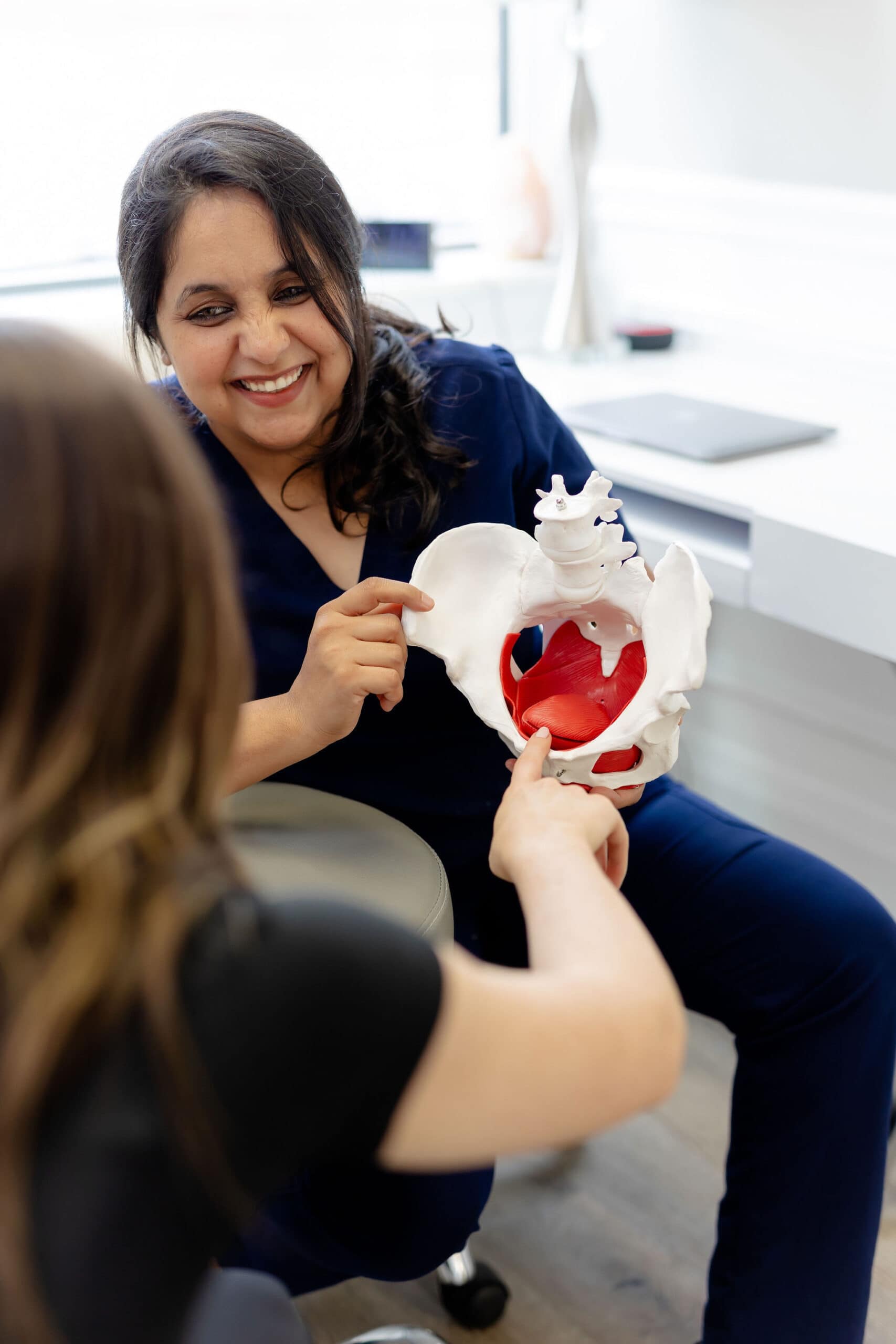
7 Signs Your Body Is Still Recovering from Childbirth
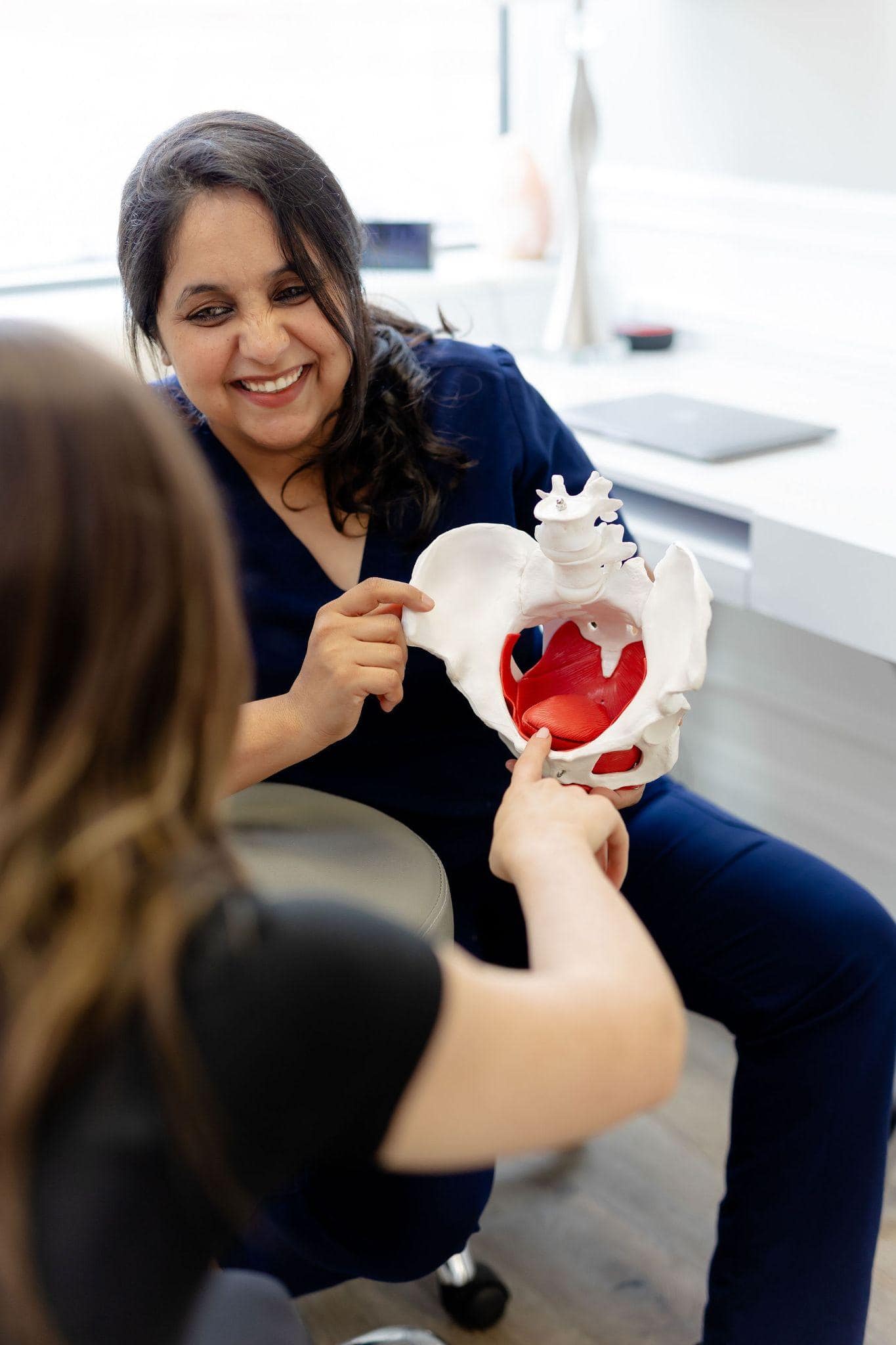
Bringing a baby into the world is an incredible experience, but recovery doesn’t end after the first few weeks. While many people expect to “bounce back” quickly, postpartum healing often continues for months and sometimes longer. Every birth experience is different, and so is the recovery process.
Many postpartum symptoms are common, but that doesn’t mean you have to simply live with them. Ongoing pelvic discomfort, bladder leaks, abdominal weakness, or a feeling that your body isn’t functioning the way it used to can all be signs that your body is still healing and may benefit from professional support.
At Corelife Wellness, women across Oakville, Burlington, and the Halton Region receive personalized care through women’s pelvic health physiotherapy, diastasis recti treatment in Ontario, Emsella, and Venus Ab Rehab Canada treatments designed to help restore strength, confidence, and everyday function.
Why Postpartum Recovery Takes Longer Than Many Expect
Pregnancy and childbirth affect nearly every system in the body. Muscles stretch, connective tissues change, hormones fluctuate, and the pelvic floor works harder than ever before.
While many physical changes improve naturally over time, others may require guided rehabilitation. According to the American College of Obstetricians and Gynecologists (ACOG), postpartum care should be an ongoing process rather than a single six-week appointment, recognizing that recovery continues well beyond the early postpartum period.
Knowing what’s normal and what deserves attention can help you recover more comfortably and confidently.
1. You Experience Bladder Leakage
One of the most common signs that your body is still recovering is urinary leakage.
You might notice leaking when you:
- Laugh
- Sneeze
- Cough
- Exercise
- Lift your baby
- Jump or run
Although many new mothers experience this, bladder leakage is not something you simply have to accept as permanent.
How treatment can help
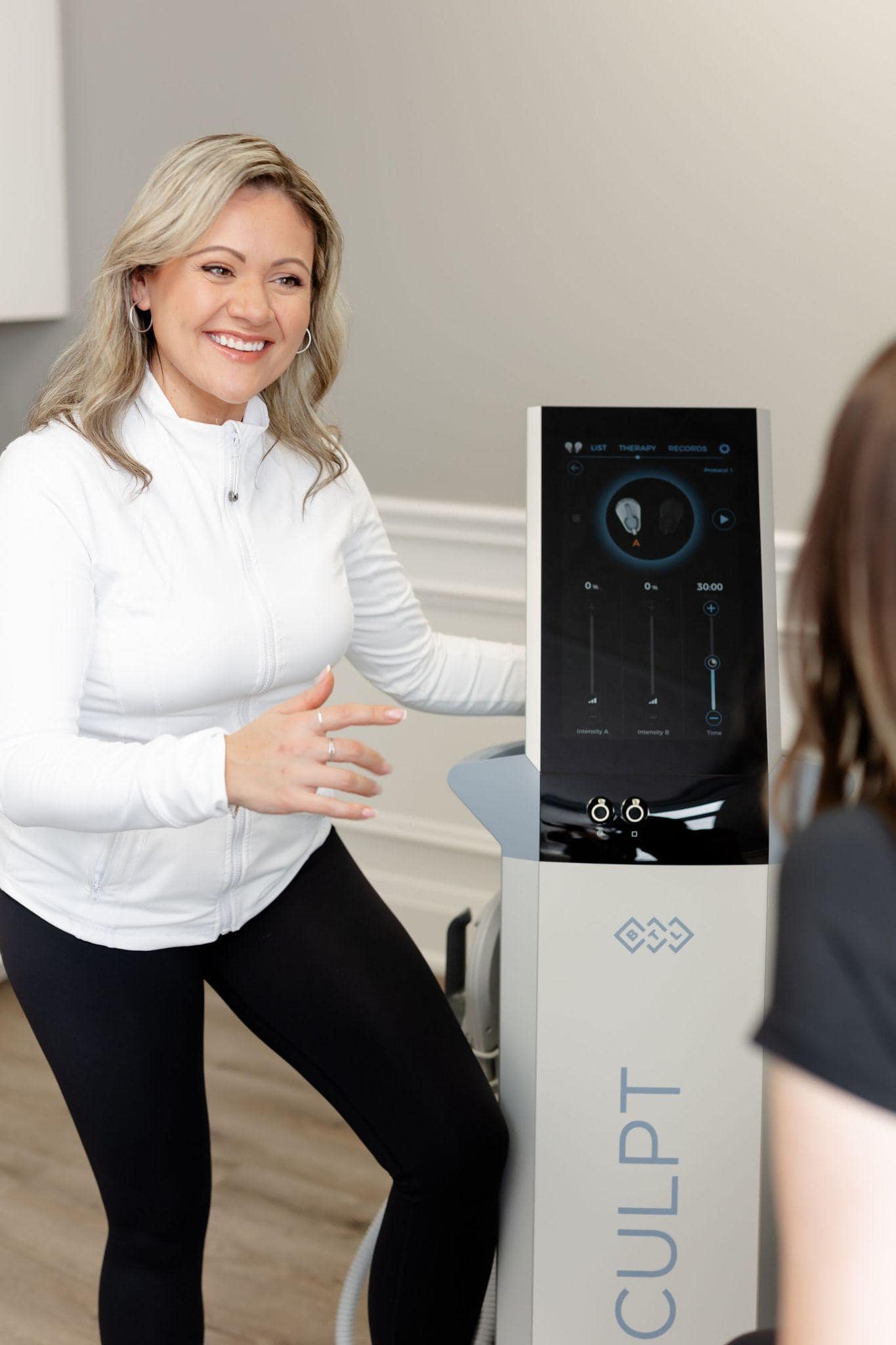
Pelvic floor physiotherapy identifies the muscles contributing to leakage and develops a personalized rehabilitation plan. For many women, Emsella Oakville treatments may also complement physiotherapy by non-invasively stimulating the pelvic floor muscles, depending on individual needs and clinical recommendations.
2. Your Core Still Feels Weak
If everyday tasks such as carrying groceries, getting out of bed, or lifting your child feel unusually difficult months after delivery, your abdominal muscles may still be recovering.
Weak core muscles can contribute to:
|
Common Symptom |
Possible Effect |
|
Poor balance |
Less stability during daily activities |
|
Lower back discomfort |
Reduced core support |
|
Difficulty exercising |
Limited strength and endurance |
|
Feeling unstable |
Challenges with lifting or carrying children |
Many postpartum women develop weakened abdominal muscles that require targeted rehabilitation rather than general exercise.
For individuals seeking diastasis recti treatment in Ontario, professional assessment helps determine the most appropriate recovery plan.
3. You Notice a Gap or Bulging in Your Abdomen
Diastasis recti occurs when the abdominal muscles separate during pregnancy.
While some separation naturally improves, others continue experiencing:
- A visible abdominal bulge
- Difficulty activating core muscles
- Lower back discomfort
- A persistent “pregnant” appearance months after giving birth
Research published in the British Journal of Sports Medicine highlights that diastasis recti is relatively common during pregnancy and the postpartum period, reinforcing the importance of appropriate assessment and rehabilitation rather than assuming it will always resolve on its own.
Corelife Wellness offers personalized rehabilitation alongside Venus Ab Rehab Canada, which may help strengthen abdominal muscles as part of a comprehensive treatment plan when clinically appropriate.
4. Pelvic Pain Hasn’t Gone Away
Some discomfort is expected immediately after childbirth, but persistent pelvic pain weeks or months later deserves attention.
Pain may occur:
- During daily movement
- While sitting
- During exercise
- During intimacy
- Around the hips or lower back
Pelvic pain can result from muscle tightness, weakness, scar tissue, or changes in pelvic mechanics.
A comprehensive assessment by a provider specializing in women’s pelvic health physiotherapy helps identify contributing factors and guide individualized treatment.
5. You Feel Heavy or Pressure in Your Pelvis
A sensation of heaviness or pressure may feel like something is “falling” inside the pelvis, especially after standing for long periods.
Possible signs include:
- Pelvic pressure late in the day
- Discomfort after walking
- Increased symptoms during exercise
- Feeling better after lying down
While this feeling can have several causes, early assessment is important to determine whether pelvic floor rehabilitation may help improve support and function.
6. Your Recovery Has Plateaued
Many women notice steady improvement during the first few months after childbirth—but eventually feel like progress stops.
You may think:
- “I’m better, but not fully recovered.”
- “Exercise isn’t helping anymore.”
- “I still don’t feel like myself.”
Recovery plateaus often happen because some muscles require more specific rehabilitation than general fitness programs provide.
Instead of pushing through symptoms, targeted assessment can identify areas that need additional support.
A randomized controlled trial published in the Journal of Orthopedic & Sports Physical Therapy found that structured pelvic floor muscle training can improve urinary incontinence in postpartum women, supporting the value of guided rehabilitation rather than waiting for symptoms to resolve on their own.
7. You Avoid Activities You Used to Enjoy
Perhaps the biggest sign that your body is still recovering is when symptoms begin to change your lifestyle.
You may avoid:
- Running
- Fitness classes
- Long walks
- Playing with your children
- Social activities
- Traveling because of bathroom concerns
Recovery isn’t only about reducing symptoms; it’s about helping you return to the activities that matter most.
Whether your goal is returning to exercise, lifting your children comfortably, or simply feeling confident again, professional postpartum rehabilitation can help create a safe path forward.
When Should You Seek Help?
You don’t need to wait until symptoms become severe.
Consider booking an assessment if you experience:
- Bladder leakage
- Ongoing abdominal weakness
- Persistent pelvic pain
- Core instability
- Pressure or heaviness
- Difficulty returning to exercise
- Concerns about diastasis recti
Early treatment often makes recovery easier and helps prevent symptoms from affecting everyday life.
How Corelife Wellness Supports Postpartum Recovery
At Corelife Wellness, every treatment plan begins with understanding your unique recovery goals.
Depending on your assessment, your care may include:
- Pelvic floor physiotherapy
- Personalized rehabilitation exercises
- Emsella Oakville treatments for bladder control support
- Venus Ab Rehab Canada for core strengthening and diastasis recti support
- Education to improve confidence and long-term wellness
Serving women throughout Oakville, Burlington, and the Halton Region, the clinic focuses on evidence-informed, non-invasive care that supports safe postpartum recovery.
Frequently Asked Questions
How Long Does Postpartum Recovery Usually Take?
Recovery varies from person to person. While many improvements occur during the first few months, some individuals continue healing for up to a year or longer, particularly if pelvic floor or abdominal concerns are present.
Is Bladder Leakage Normal After Childbirth?
It is common, but persistent leakage should not be ignored. Pelvic floor rehabilitation can often improve bladder control and quality of life.
Can Diastasis Recti Improve Without Surgery?
Many cases respond well to targeted rehabilitation, especially when guided by professionals experienced in postpartum recovery and core rehabilitation.
When Should I See A Pelvic Floor Physiotherapist?
If symptoms continue beyond the early postpartum period or interfere with daily life, seeking an assessment can help identify appropriate treatment options.
Book Your Free Consultation and Take the Next Step
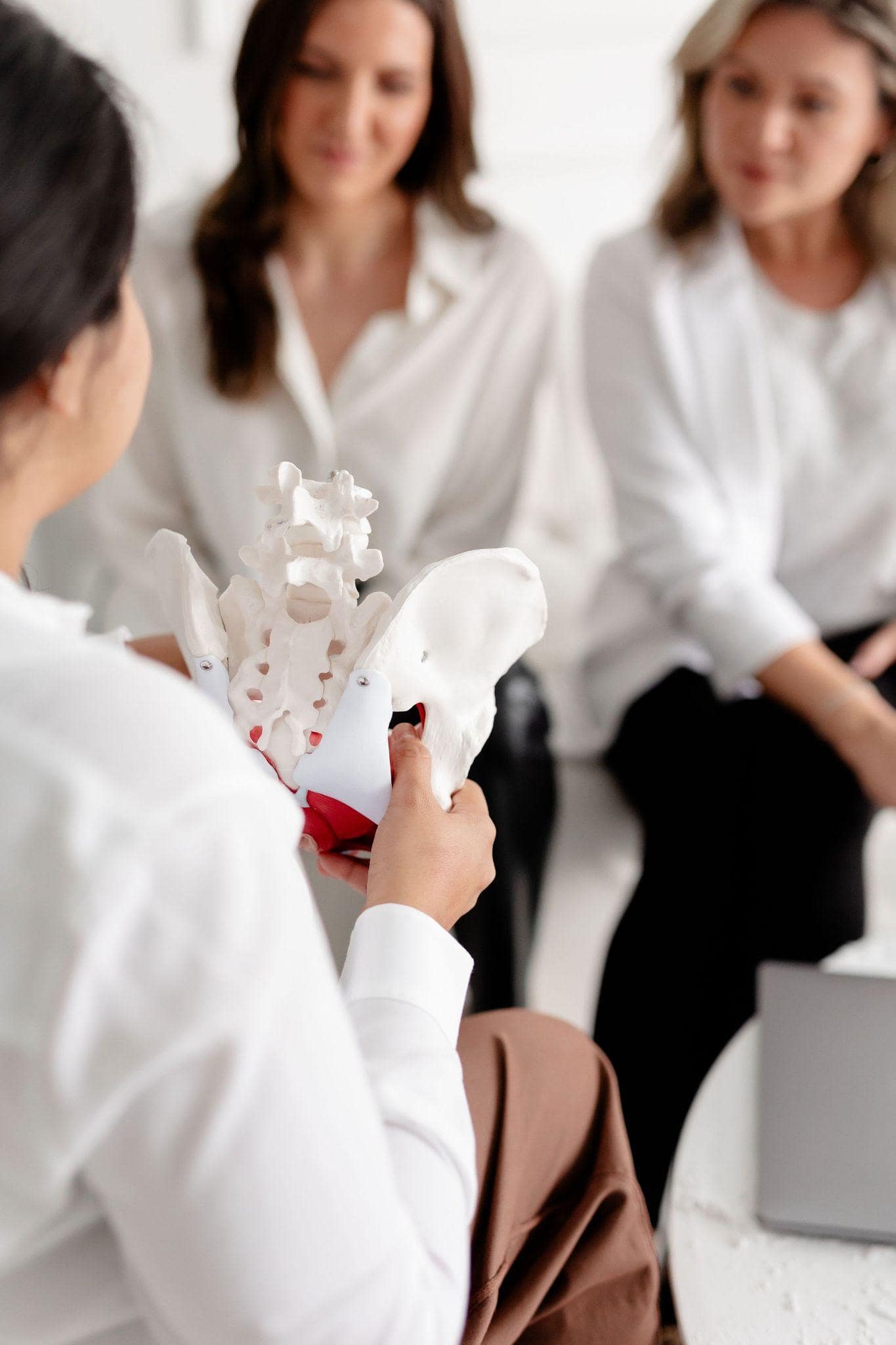
Recovering from childbirth is about more than simply waiting for time to pass. If you’re experiencing bladder leaks, core weakness, pelvic discomfort, or signs of diastasis recti, you don’t have to navigate recovery alone.
The experienced team at Corelife Wellness provides compassionate, evidence-based care for postpartum women throughout Oakville, Burlington, and the Halton Region. Through personalized pelvic floor physiotherapy, Emsella, and Venus Ab Rehab treatments, they help you regain strength, confidence, and everyday function.
Book your free consultation today at https://corelifewellness.ca/ and take the next step toward a stronger, more comfortable recovery.