
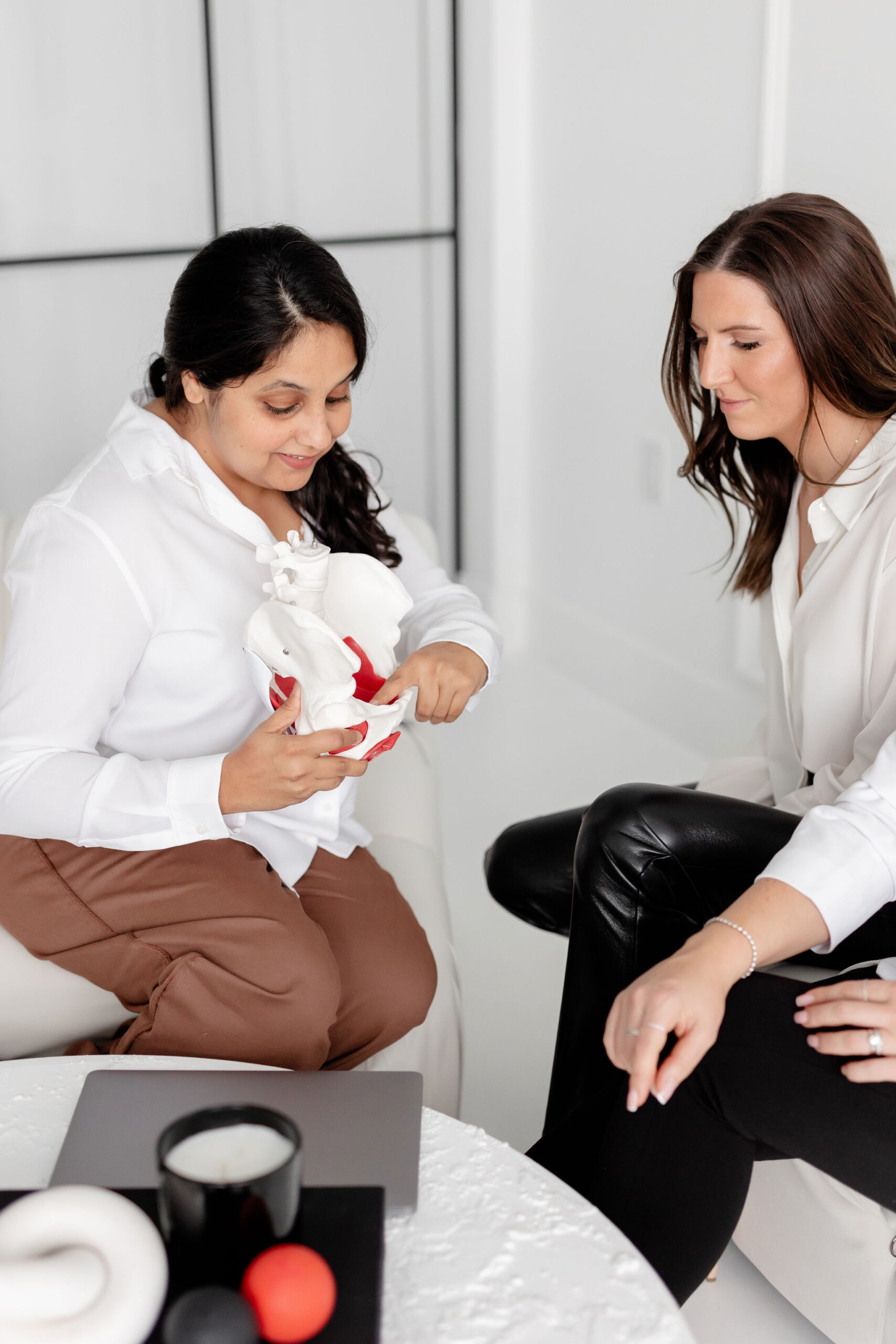
For many women, postpartum discomfort is explained away with one phrase: “It’s just part of recovery.” While some soreness is expected after childbirth, ongoing pelvic pain, bladder leaks, or core weakness are not conditions you simply have to live with.
At Corelife Wellness, a leading provider of pelvic health solutions in Oakville and Burlington, Ontario, women receive evidence-based care that focuses on restoring strength, function, and confidence. If pain is lingering months after delivery, it may be time to look beyond reassurance and toward treatment.
What Is Normal After Childbirth And What Is Not?
Childbirth places significant stress on the pelvic floor muscles, abdominal wall, and surrounding connective tissues. Vaginal delivery, cesarean birth, prolonged pushing, tearing, or episiotomy can all affect recovery.
In the early weeks postpartum, it’s common to experience:
- Mild pelvic soreness
- Temporary bladder sensitivity
- Abdominal tenderness
- Fatigue and generalized muscle weakness
However, symptoms that persist beyond six to eight weeks deserve attention. These include:
- Pelvic pressure or heaviness
- Pain during sitting, walking, or intimacy
- Urinary leakage with coughing, laughing, or exercise
- Ongoing lower back or tailbone pain
- Visible abdominal separation (diastasis recti)
Research published in the British Journal of Sports Medicine notes that up to 32–60% of women experience diastasis recti in the early postpartum period, with many still affected months later. Pelvic floor dysfunction is also common, affecting nearly one in three postpartum women according to studies in Obstetrics & Gynecology.
Common does not mean normal, nor does it mean untreatable.
Understanding Pelvic Floor Dysfunction
The pelvic floor is a group of muscles that support the bladder, uterus, and rectum. These muscles coordinate with the deep core to stabilize the spine and manage abdominal pressure.
After childbirth, these muscles may become:
- Weakened
- Overactive and tight
- Poorly coordinated
- Injured due to a tear or strain
When the pelvic floor does not function properly, pain and leakage can occur.
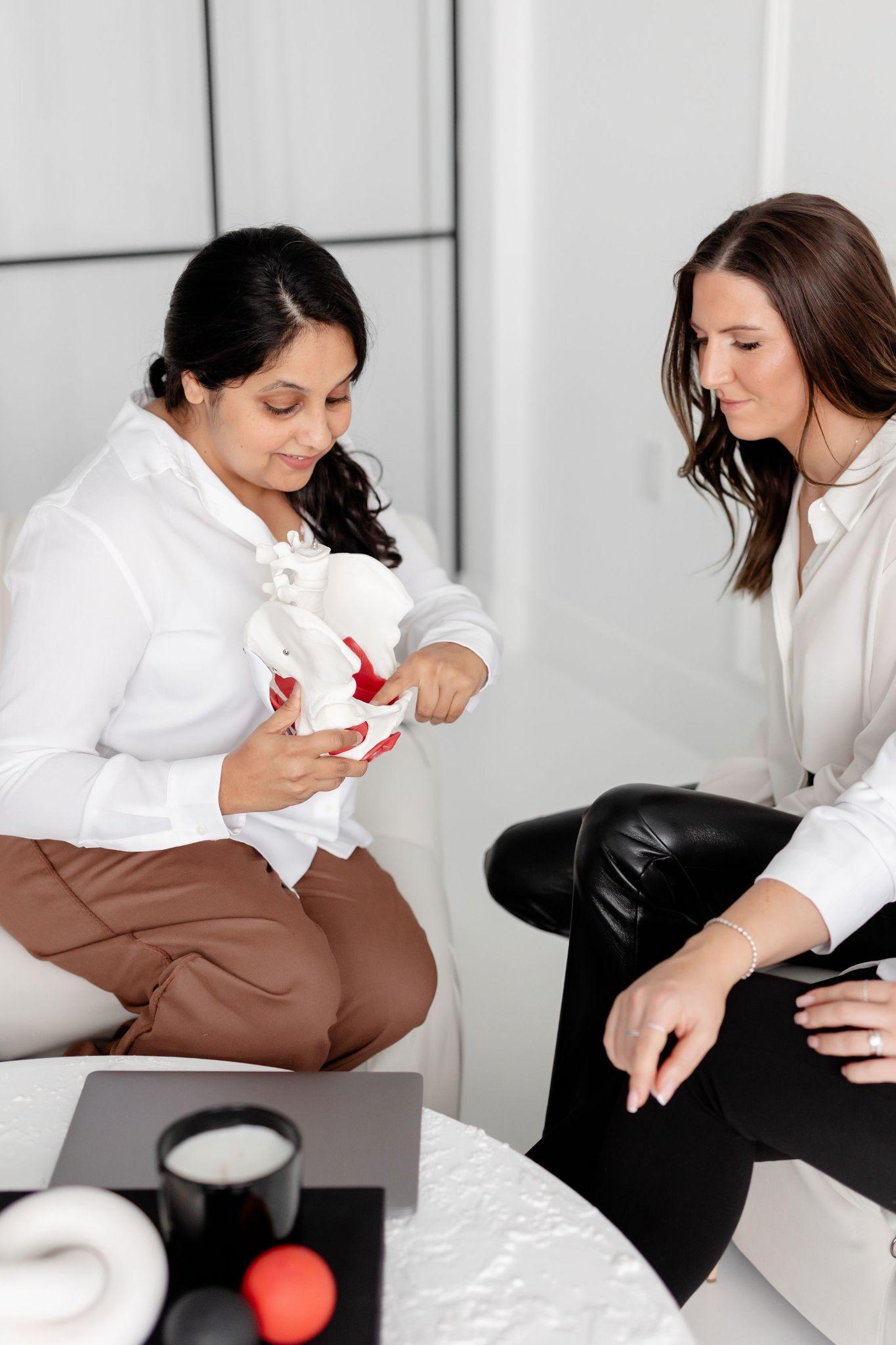
Pelvic health physiotherapy focuses on restoring proper muscle activation, coordination, and strength. Unlike general exercise programs, pelvic health physiotherapy involves detailed assessment and individualized treatment planning.
Women searching for physiotherapy in Oakville, Ontario, or pelvic health physiotherapy often discover that targeted treatment can significantly reduce symptoms within weeks.
Diastasis Recti and Core Weakness
Many postpartum women notice abdominal separation, commonly referred to as “mom pooch.” This separation, called diastasis recti, occurs when the connective tissue between the abdominal muscles stretches during pregnancy.
While some separation narrows naturally, others experience persistent weakness and instability. This can contribute to:
- Lower back pain
- Abdominal discomfort
- Reduced core strength
- Difficulty returning to exercise
The Journal of Orthopedic & Sports Physical Therapy highlights that individualized core rehabilitation improves abdominal wall function more effectively than generalized exercise programs.
At Corelife Wellness, treatments such as Venus Ab Rehab (Emsculpt technology) may support recovery from diastasis recti by stimulating deep core muscle contractions that are difficult to achieve voluntarily in the early recovery stages.
Curious how this works in practice? Reach out to the Corelife Wellness team for a free consultation.
This non-invasive approach complements traditional pelvic physiotherapy and personalized exercise programs.
Bladder Leaks Are Not Inevitable
One of the most commonly dismissed postpartum concerns is urinary leakage. Many women are told to expect it when sneezing or jumping.
However, research published in the International Urogynecology Journal confirms that pelvic floor muscle training significantly reduces urinary incontinence after childbirth.
If bladder leaks continue months after delivery, pelvic physiotherapy and non-invasive technologies such as Emsella may help restore control. Emsella uses high-intensity electromagnetic stimulation to activate thousands of pelvic floor contractions in a single session, supporting muscle retraining without internal intervention.
Men over 30 experiencing pelvic floor dysfunction can also benefit from pelvic physiotherapy and bladder control treatments. Although postpartum care is often the focus, pelvic health affects both women and men.
For residents seeking physical therapy in Oakville, choosing a clinic specializing in pelvic health can make a meaningful difference.
When Pain Signals a Deeper Issue
Persistent pelvic pain may indicate:
- Scar tissue restrictions
- Pelvic floor muscle spasm
- Nerve irritation
- Joint instability
- Poor core integration
Pain during intimacy, prolonged sitting, or certain movements is not something to ignore.
A comprehensive pelvic health assessment often includes evaluation of posture, breathing patterns, abdominal function, and pelvic muscle coordination. This holistic approach is what differentiates specialized pelvic health clinics from general physiotherapy clinics in Oakville.
Women in Oakville and Burlington often delay care because they assume time will resolve symptoms. While healing continues for months postpartum, targeted therapy accelerates recovery and prevents chronic issues.
Perimenopause and Pelvic Pain
Pelvic discomfort is not limited to postpartum women. Perimenopausal women aged 40–55 may experience:
- Pelvic heaviness
- Increased bladder urgency
- Pain with activity
- Core weakness
Hormonal changes affect connective tissue elasticity and muscle tone. As estrogen levels decline, pelvic floor support can weaken.
Women’s health physiotherapy offers strength training, bladder retraining, and core rehabilitation strategies tailored to this stage of life.
For individuals searching online for women’s health physiotherapy center services in Oakville, it’s important to choose a clinic experienced in both postpartum and perimenopausal care.
The Importance of Local, Specialized Care
Oakville and Burlington residents have several physiotherapy options. However, not all physiotherapy clinics specialize in pelvic health.
When looking for the best physiotherapy, Oakville residents often benefit most from specialized pelvic health providers who understand:
- Postpartum recovery
- Diastasis recti rehabilitation
- Bladder control restoration
- Pelvic pain treatment
- Core retraining
Corelife Wellness offers pelvic health physiotherapy, Emsella, and Venus Ab Rehab in Oakville, Ontario. Patients often find that focused, evidence-based pelvic care addresses symptoms more directly than general musculoskeletal therapy.
For those comparing physiotherapy options in Oakville, specialized pelvic assessment is key.
Why Early Treatment Matters
Ignoring pelvic discomfort can lead to:
- Chronic pain patterns
- Compensatory movement habits
- Reduced physical activity
- Emotional distress
- Long-term bladder dysfunction
Research from the American Journal of Obstetrics and Gynecology emphasizes that early pelvic floor rehabilitation improves long-term outcomes.
Seeking treatment within the first year postpartum is ideal, but recovery is possible even years after childbirth.
Women often express relief when they realize that their symptoms are treatable and that recovery does not require surgery.
What to Expect From Pelvic Health Physiotherapy
A pelvic physiotherapy appointment typically includes:
- Detailed health history
- Core and breathing assessment
- Pelvic floor muscle evaluation
- Movement and posture analysis
- Personalized treatment plan
Treatment may involve:
- Targeted pelvic floor exercises
- Core strengthening
- Manual therapy
- Education on pressure management
- Technology-assisted muscle stimulation
The goal is functional recovery, returning to exercise, lifting children, running, or simply moving without discomfort. Patients looking for physiotherapy in Oakville, Ontario, often report improved confidence when guided by clinicians trained specifically in pelvic rehabilitation.
A Supportive, Non-Invasive Approach
One concern many patients have is the fear of invasive treatment. Corelife Wellness emphasizes non-invasive, science-backed methods.
Emsella sessions are fully clothed and comfortable. Venus Ab Rehab focuses on core muscle activation without strain. Pelvic physiotherapy sessions prioritize patient comfort and education.
This supportive environment is especially important for new mothers navigating physical and emotional recovery.
You Don’t Have to “Wait It Out”
Pelvic pain, bladder leaks, and abdominal weakness are not simply part of being a mother. They are signs that the body needs targeted rehabilitation.
If you live in Oakville or Burlington and are seeking pelvic health physiotherapy, pelvic health solutions, or physical therapy, know that specialized support is available locally.
Recovery is not about pushing through discomfort. It is about restoring strength safely and effectively.

Take the Next Step Toward Recovery
Pain after childbirth should not define your daily life. Whether you are weeks postpartum, years into motherhood, or navigating perimenopause, targeted pelvic health care can help you regain strength, function, and confidence.
If you are looking for trusted pelvic health physiotherapy in Oakville, Ontario, Corelife Wellness offers evidence-based, non-invasive treatments designed to support real recovery.
Visit http://www.corelifewellness.ca to learn more or book a consultation. Your recovery deserves more than reassurance; it deserves expert care.
Ready to explore your treatment options? Reach out at www.corelifewellness.ca/contact and we’ll walk you through it.