

Pregnancy transforms the body in remarkable ways, but some of its lasting effects are often overlooked. While many people expect changes like fatigue or back discomfort during pregnancy, fewer realize how much the pelvic floor can be affected before, during, and after childbirth. These changes can influence bladder control, core strength, physical activity, and overall confidence long after a baby is born.
At Corelife Wellness, women and people who give birth across Oakville, Burlington, and the Halton Region receive personalized care designed to restore strength, function, and confidence through evidence-based treatment. Whether you’re experiencing bladder leaks, pelvic heaviness, core weakness, or diastasis recti, understanding what happens to the pelvic floor is the first step toward recovery.
What Is the Pelvic Floor?
The pelvic floor is a group of muscles, ligaments, and connective tissues that form a supportive “hammock” at the base of the pelvis. These muscles play several important roles:
- Support the bladder, uterus, and bowel
- Help maintain bladder and bowel control
- Contribute to core stability
- Support healthy movement and posture
- Play a role in sexual wellness
During pregnancy, these muscles work harder than ever to support a growing baby while adapting to significant hormonal and physical changes.
How Pregnancy Changes the Pelvic Floor
Pregnancy places increasing demands on the pelvic floor over many months. Even without a vaginal delivery, these muscles experience stretching, pressure, and changes in function.
Some of the biggest contributing factors include:
|
Pregnancy Change |
Potential Impact on the Pelvic Floor |
|
Growing baby and uterus |
Increased pressure on pelvic muscles |
|
Hormonal changes |
Connective tissues become more flexible |
|
Weight gain |
Additional load on pelvic support structures |
|
Changes in posture |
Increased stress on the core and pelvis |
|
Labor and delivery |
Muscle stretching or injury during childbirth |
These changes are a normal part of pregnancy, but they can leave lasting effects if the muscles don’t recover properly afterward.
Research published by the International Urogynecology Journal has shown that pregnancy itself, not only childbirth, can contribute to pelvic floor dysfunction because of prolonged mechanical loading and hormonal influences on pelvic tissues.
Signs Your Pelvic Floor May Need Support
Many postpartum symptoms are commonly accepted as “normal,” but that doesn’t mean they should simply be ignored.
Common signs include:
- Bladder leakage when coughing, laughing, or exercising
- Frequent urgency to urinate
- Pelvic heaviness or pressure
- Lower back discomfort
- Core weakness
- Difficulty returning to exercise
- Diastasis recti (abdominal separation)
- Reduced confidence during daily activities
Many women assume these symptoms will disappear on their own. While some improve naturally, others persist for months or even years without treatment.
Why Pelvic Floor Recovery Matters
Recovery isn’t only about reducing symptoms.
A healthy pelvic floor contributes to:
- Better movement and stability
- Improved posture
- Stronger core function
- Greater comfort during exercise
- Improved bladder control
- Better long-term pelvic health
Addressing concerns early may also reduce the likelihood of symptoms becoming more persistent over time.
A systematic review published in the Cochrane Database of Systematic Reviews found that structured pelvic floor muscle training during pregnancy and after birth can reduce the risk of urinary incontinence in many women, particularly when supervised by qualified healthcare professionals.
The Connection Between the Pelvic Floor and Diastasis Recti
One of the most overlooked postpartum challenges is the relationship between the pelvic floor and the abdominal muscles.
Looking for expert guidance on your pelvic health? Talk to Corelife Wellness about your wellness journey.
Diastasis recti occurs when the abdominal muscles separate during pregnancy to accommodate the growing uterus. While this is common, recovery often requires more than just abdominal exercises.
Because the core, diaphragm, and pelvic floor work together as one system, weakness in one area often affects the others.
Someone recovering from diastasis recti may also notice:
- Poor core control
- Pelvic floor weakness
- Back pain
- Difficulty lifting children
- Reduced exercise tolerance
This is why diastasis recti treatment in Ontario often includes a comprehensive assessment of both the abdominal wall and pelvic floor.
How Pelvic Floor Physiotherapy Helps
Women’s pelvic health physiotherapy focuses on restoring normal muscle function through individualized assessment and treatment.
Depending on your needs, treatment may include:
- Pelvic floor muscle assessment
- Guided strengthening exercises
- Relaxation techniques when muscles are overly tight
- Core retraining
- Breathing coordination
- Postural education
- Functional movement strategies
- Lifestyle recommendations
Rather than providing one-size-fits-all exercises, pelvic floor physiotherapists tailor treatment based on each individual’s symptoms, goals, and recovery stage.
For women searching for pelvic floor physiotherapy in Oakville or nearby Burlington, personalized care often leads to better long-term outcomes than self-directed exercise programs alone.
Modern Non-Invasive Treatment Options
Recovery today extends beyond traditional exercise programs.
At Corelife Wellness, several non-invasive technologies complement physiotherapy when clinically appropriate.
Emsella for Bladder Control
For individuals experiencing bladder leakage, Emsella offers a non-invasive option that stimulates thousands of pelvic floor muscle contractions during a single treatment session while patients remain fully clothed.
This treatment may complement physiotherapy by helping strengthen muscles involved in bladder control.
Venus Ab Rehab for Core Recovery
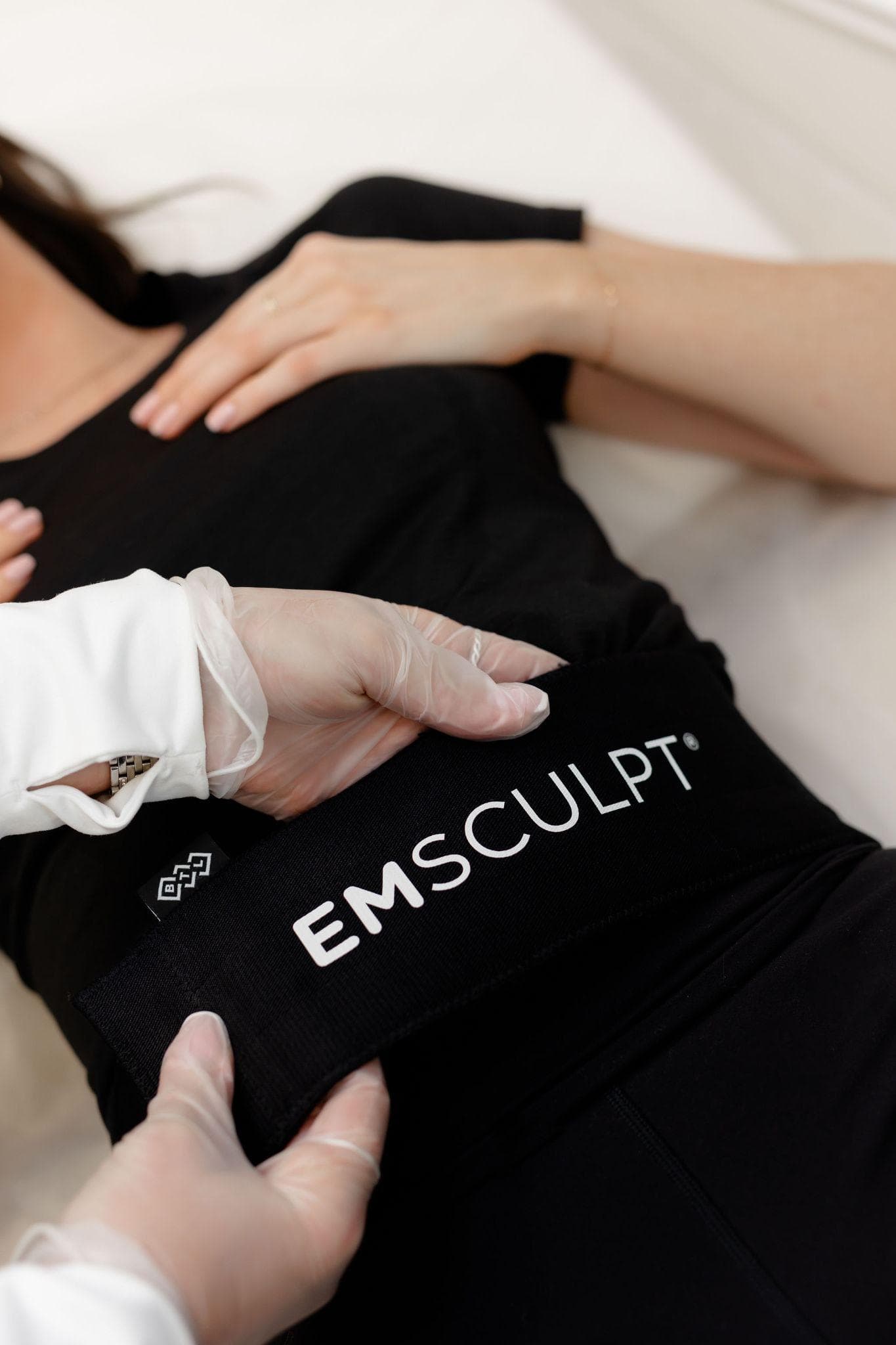
For women recovering from pregnancy-related abdominal weakness, Venus Ab Rehab uses advanced muscle stimulation technology to support core rehabilitation alongside exercise and physiotherapy.
It may be recommended for individuals working to improve:
- Core strength
- Muscle activation
- Functional recovery following pregnancy
- Diastasis recti rehabilitation
These technologies are most effective when incorporated into a personalized recovery plan rather than used as standalone treatments.
When Should You Seek Help?
Many women wait months or even years before seeking treatment because they believe their symptoms are simply part of motherhood or aging.
Consider booking an assessment if you notice:
- Bladder leaks more than occasionally
- Persistent pelvic discomfort
- Core weakness several months postpartum
- Difficulty exercising comfortably
- Diastasis recti that isn’t improving
- Pelvic heaviness or pressure
- Reduced confidence in daily activities
The earlier concerns are evaluated, the more treatment options are typically available.
Research from the American College of Obstetricians and Gynecologists (ACOG) recommends ongoing postpartum care, including assessment of pelvic floor symptoms and referral for rehabilitation when appropriate, recognizing that recovery continues well beyond the traditional six-week postpartum visit.
Supporting Long-Term Pelvic Health
Pelvic floor health doesn’t end after postpartum recovery.
Life stages including perimenopause and menopause can also affect muscle strength, bladder function, and tissue support because of hormonal changes.
Maintaining pelvic health may include:
- Regular pelvic floor exercises
- Core strengthening
- Healthy bowel habits
- Staying physically active
- Maintaining a healthy weight
- Seeking early assessment when symptoms appear
Ongoing care helps many women stay active and confident throughout different stages of life.
Why Local Care Makes a Difference
Choosing a local provider means easier access to ongoing care, follow-up appointments, and personalized support.
For women throughout Oakville, Burlington, and the Halton Region, working with an experienced pelvic health team allows treatment plans to evolve as recovery progresses.
Whether you’re newly postpartum, managing bladder leakage, recovering from diastasis recti, or entering perimenopause, individualized care helps address your unique goals while supporting long-term wellness.

Book Your Free Consultation with Corelife Wellness
Pregnancy changes your body in incredible ways, but ongoing pelvic floor symptoms don’t have to become your new normal. Bladder leaks, core weakness, pelvic discomfort, and diastasis recti are common, but effective, evidence-based treatment options are available.
At Corelife Wellness, the team provides compassionate, personalized care through pelvic floor physiotherapy, diastasis recti recovery, Emsella, and Venus Ab Rehab to help women throughout Oakville, Burlington, and the Halton Region regain strength and confidence.
If you’re ready to take the next step in your recovery, Book Your Free Consultation today by visiting https://corelifewellness.ca/ and learn how a personalized treatment plan can help you return to the activities you enjoy with greater comfort and confidence.
Ready to explore your treatment options? Reach out at www.corelifewellness.ca/contact and we’ll walk you through it.