
Many women in their 40s and 50s quietly wonder the same thing: Is it normal to leak urine after menopause?
The short answer is yes, it’s common, but that doesn’t mean you have to live with it.
At Corelife Wellness, women in Oakville and Burlington seek support every day for bladder leaks, core weakness, and pelvic floor changes linked to perimenopause and menopause. Understanding why it happens and what you can do about it is the first step toward regaining control and confidence.
Why Bladder Leaks Become More Common After 40
Urinary leakage during midlife is often linked to hormonal changes.
As estrogen levels decline during perimenopause and menopause, tissues in the bladder, urethra, and pelvic floor can thin and weaken. Estrogen plays an important role in maintaining tissue elasticity and blood flow. When levels drop, the pelvic floor muscles may not respond as effectively to pressure.
This can lead to:
- Leaking when coughing, sneezing, or laughing
- Urine loss during exercise
- Sudden urges that are difficult to control
- More frequent nighttime urination
Research published in Menopause (The Journal of The North American Menopause Society) shows that urinary incontinence affects up to 50% of postmenopausal women to some degree. Stress urinary incontinence leakage with pressure or movement is particularly common.
The key point: it’s common, but it’s not inevitable.
The Pelvic Floor and Menopause: What’s Really Happening
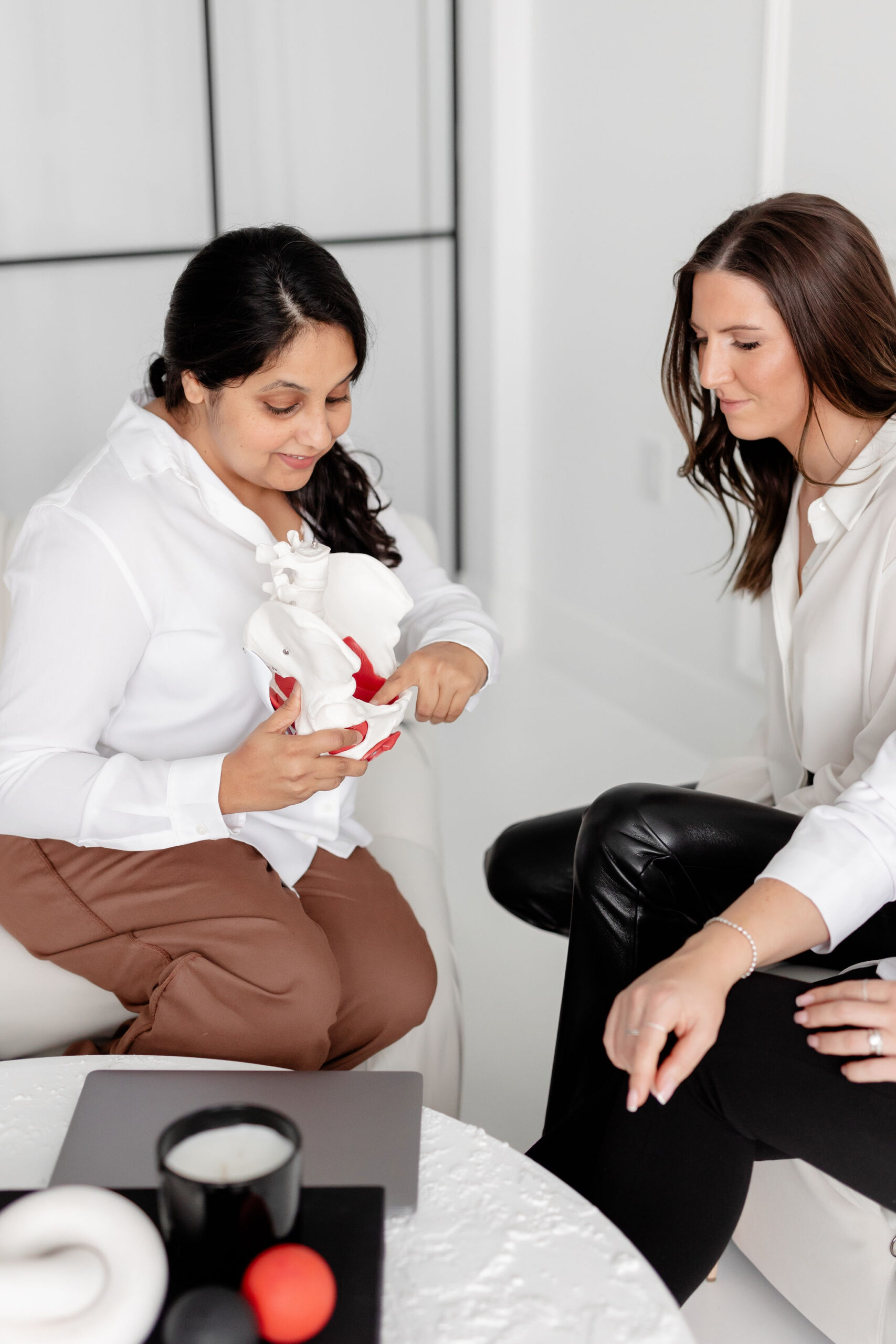
The pelvic floor is a group of muscles and connective tissues that support the bladder, uterus, and rectum. It also helps control bowel and bladder function.
Over time, several factors can affect this system:
- Childbirth history
- Chronic constipation
- High-impact exercise
- Abdominal surgeries
- Hormonal decline
- Natural aging
Even women who have never been pregnant may experience pelvic floor weakness after menopause.
Additionally, abdominal separation (diastasis recti) can contribute to core instability. When the deep core muscles aren’t functioning well, pressure inside the abdomen increases, placing extra strain on the bladder and pelvic floor.
This is why pelvic health physiotherapy is often more effective than simply “doing Kegels.”
Is Leaking Urine After Menopause “Normal”?
It may be common, but it’s not something you have to accept as part of aging.
Many women assume bladder leaks are just something that happens after 40. However, evidence supports targeted treatment as a safe and effective solution.
The Cochrane Database of Systematic Reviews consistently reports that supervised pelvic floor muscle training significantly improves or cures stress urinary incontinence in women.
That means structured, guided pelvic health physiotherapy works especially when tailored to your specific muscle pattern and strength level.
Common Types of Urinary Leakage After Menopause
Understanding the type of incontinence helps guide treatment.
1. Stress Urinary Incontinence
Leakage with physical movement, coughing, sneezing, or lifting.
2. Urge Incontinence
A sudden, intense urge to urinate followed by leakage.
3. Mixed Incontinence
A combination of stress and urge symptoms.
A proper assessment with a pelvic health physiotherapist in Oakville or Burlington can identify the root cause and create a plan tailored to your body.
When Should You Seek Help?
You should consider professional support if:
- You avoid exercise due to leakage
- You wear pads daily “just in case.”
- You feel pressure or heaviness in the pelvis
- You wake frequently at night to urinate
- You feel your core is weaker than before
Bladder leaks can affect physical health, mental well-being, and quality of life. Many women reduce activity levels because of embarrassment, which can lead to further muscle weakening.
Early intervention prevents progression.
Evidence-Based Pelvic Health Solutions in Oakville
Women searching for pelvic health physiotherapy, physiotherapy in Oakville, Ontario, or physical therapy in Oakville often discover that conservative, non-invasive treatments are highly effective.
At Corelife Wellness, pelvic health solutions focus on restoring strength, coordination, and function, not quick fixes.
Looking for expert guidance on your pelvic health? Talk to Corelife Wellness about your wellness journey.
1. Pelvic Health Physiotherapy
Pelvic health physiotherapy includes:
- Assessment of pelvic floor strength and coordination
- Breathing pattern analysis
- Core muscle retraining
- Pressure management education
- Bladder retraining strategies
This approach goes beyond isolated exercises and addresses how your entire core system functions.
If you’ve searched for physio in Oakville, physiotherapy clinics in Oakville, or best physiotherapy in Oakville, it’s important to choose a clinic specializing in women’s pelvic health rather than general musculoskeletal treatment.
2. Emsella for Bladder Control
Emsella is a non-invasive treatment that uses high-intensity focused electromagnetic energy to stimulate pelvic floor contractions.
One 28-minute session can trigger thousands of supramaximal pelvic floor contractions far beyond what most women can voluntarily achieve.
Clinical studies show that Emsella treatments can significantly reduce stress urinary incontinence symptoms after a series of sessions.
It is:
- Fully clothed
- Non-surgical
- No downtime
- Comfortable for most patients
Women in Oakville and Burlington looking for advanced pelvic health solutions often explore Emsella as part of a comprehensive plan.
3. Core Strength and Diastasis Recti Treatment
If a core weakness is starting to impact your daily function, strengthening the abdominal wall is essential. Common examples include poor posture, back pain, and difficulty engaging your core.
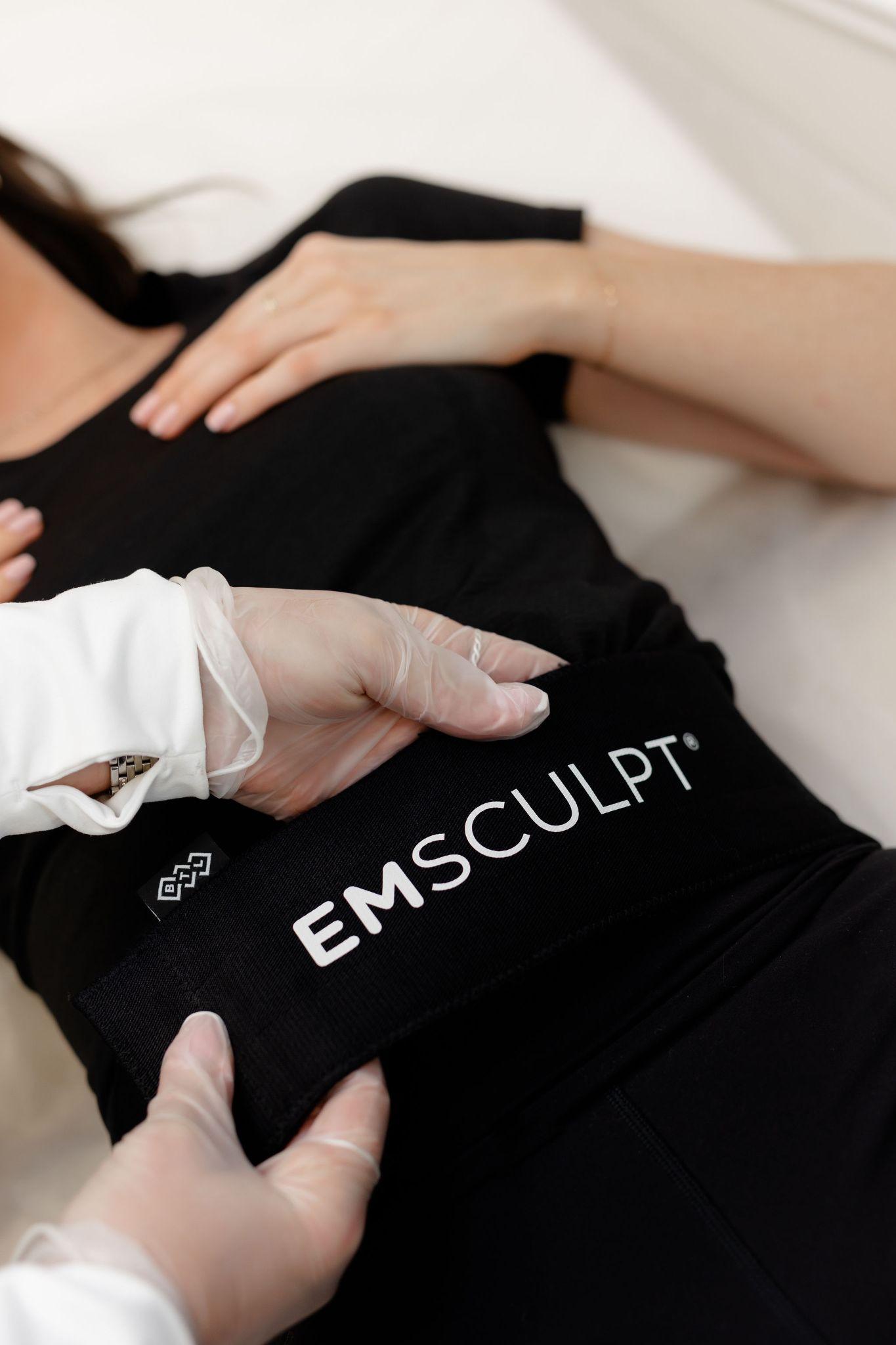
Venus Ab Rehab (Emsculpt technology) helps stimulate deep core muscles to improve abdominal separation and stability.
Studies on high-intensity electromagnetic stimulation show measurable improvements in abdominal muscle thickness and functional strength.
What About Hormone Therapy?
Some women benefit from vaginal estrogen therapy prescribed by their physician. Local estrogen can improve tissue quality in the urethra and vaginal walls.
However, hormone therapy alone does not strengthen muscles. Pelvic floor rehabilitation remains essential. A collaborative approach between your physician and pelvic physiotherapist often yields the best results.
Lifestyle Changes That Support Bladder Health
Alongside professional treatment, certain habits can help:
- Avoid excessive caffeine
- Maintain a healthy body weight
- Stay hydrated (dehydration can irritate the bladder)
- Practice proper lifting technique
- Manage constipation
It’s important not to restrict fluids unnecessarily, as concentrated urine can worsen urgency symptoms.
Why Many Women Delay Treatment
Common reasons include:
- Embarrassment
- Believing it’s “just aging.”
- Thinking surgery is the only option
- Lack of awareness about pelvic physiotherapy
The good news is that non-invasive treatments are highly effective, especially when started early. In Oakville and Burlington, women are increasingly seeking services from women’s health physiotherapy centers to proactively manage these changes.
Pelvic Health Is Not Just a Postpartum Issue
While postpartum women commonly seek pelvic physiotherapy, perimenopausal and menopausal women benefit just as much.
Hormonal shifts can unmask weaknesses that were previously compensated for.
If you’re searching for physiotherapy in Oakville, Ontario, or pelvic health, look for a clinic experienced in treating midlife pelvic concerns, not just postpartum recovery.
What to Expect During a Pelvic Health Assessment
A comprehensive evaluation may include:
- Health history review
- Bladder and bowel symptom discussion
- Posture and breathing assessment
- External and, if appropriate, internal pelvic floor evaluation
- Core strength testing
Education is a major component. You’ll learn how your body functions and how to support it effectively.
At Corelife Wellness, the goal is to provide clear explanations and a structured, individualized plan.
The Emotional Side of Bladder Leaks
Bladder control concerns often impact confidence, intimacy, and social participation. Many women stop jumping, running, or even laughing freely. Addressing pelvic health isn’t just physical rehabilitation; it restores freedom of movement and peace of mind.
Why Choose a Specialized Pelvic Health Clinic in Oakville?
Not all physiotherapy clinics are trained in pelvic health.
When comparing options such as physiotherapy in Oakville, Ontario, or physio in Oakville, consider:
- Specialized pelvic floor training
- Experience treating perimenopausal symptoms
- Access to advanced technology like Emsella
- Individualized care plans
- Evidence-based methods
Pelvic health is a distinct specialty within physiotherapy and requires focused expertise.
Is Surgery Ever Necessary?
Surgery may be recommended in certain severe cases. However, clinical guidelines typically recommend conservative treatment first.
Pelvic floor physiotherapy is considered first-line therapy for stress urinary incontinence by many professional bodies, including the American College of Obstetricians and Gynecologists.
Many women see meaningful improvement without surgical intervention.

Common Doesn’t Mean You Have to Live With It
Leaking urine after menopause is common, but it is treatable. Your 40s and 50s can be a time of strength and renewed confidence, not limitation.
Bladder leaks are often a sign that your pelvic floor and core need targeted support. With structured pelvic health physiotherapy, advanced treatments like Emsella, and personalized care, improvement is achievable.
Ready to Take the Next Step?
If you’re experiencing bladder leaks, core weakness, or pelvic discomfort in Oakville or Burlington, you don’t have to manage it alone.
Corelife Wellness offers evidence-based pelvic health physiotherapy, Emsella treatments, and core rehabilitation programs designed specifically for women navigating postpartum and perimenopausal changes.
Learn more or book your consultation today at: http://www.corelifewellness.ca
Your body deserves strength, function, and confidence at every stage of life.
Want to learn more about how Corelife Wellness can help? Get in touch with us for a free consultation.