

Urinary incontinence can make everyday activities feel unpredictable. Whether you experience bladder leaks when laughing, exercising, or coughing, or suddenly need to rush to the washroom, these symptoms can affect your confidence, comfort, and quality of life.
Although urinary incontinence becomes more common with age, you don’t necessarily have to accept it as an unavoidable part of aging. Several non-surgical treatment options for urinary incontinence can improve bladder control and support pelvic floor health.
At Corelife Wellness in Oakville, Ontario, patients can explore non-surgical pelvic health treatments, including Emsella chair therapy and pelvic floor physiotherapy.
Understanding these approaches can help you make informed decisions about managing bladder leaks and improving daily comfort.
Understanding Urinary Incontinence and Its Causes
Urinary incontinence refers to the involuntary leakage of urine. It affects both women and men, although certain life stages and medical conditions can increase the likelihood of symptoms.
Common contributing factors include pregnancy, childbirth, menopause, pelvic floor weakness, prostate surgery, and changes in bladder function.
Different types of urinary incontinence require different treatment approaches.
|
Type |
Common symptoms |
|
Leaking when coughing, laughing, jumping, or exercising |
|
|
Sudden, difficult-to-control urges to urinate |
|
|
Mixed incontinence |
A combination of stress and urge symptoms |
|
Overflow incontinence |
Frequent dribbling due to incomplete bladder emptying |
|
Functional incontinence |
Difficulty reaching the washroom because of mobility or other limitations |
Identifying the underlying cause is an important first step towards choosing an appropriate treatment.
1. Pelvic Floor Physiotherapy
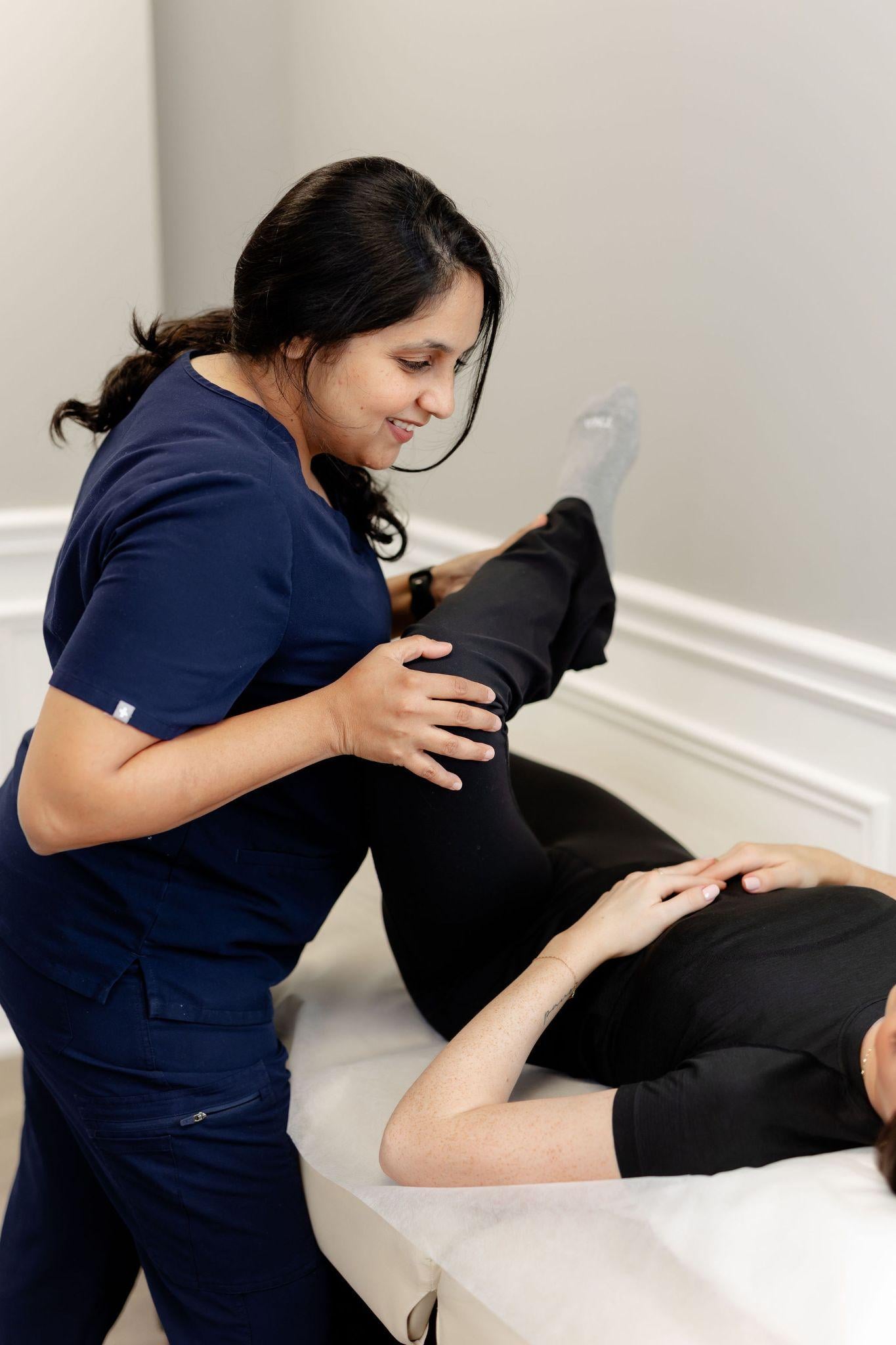
Pelvic floor physiotherapy is one of the most established non-surgical treatments for urinary incontinence.
The pelvic floor consists of muscles that support the bladder and help regulate urine flow. When these muscles weaken or become poorly coordinated, leakage may occur.
A pelvic floor physiotherapist assesses muscle strength, coordination, and relaxation before recommending personalized exercises.
Treatment may include strengthening exercises, breathing techniques, bladder education, and movement modifications.
A 2018 Cochrane systematic review by Dumoulin and colleagues evaluated pelvic floor muscle training for urinary incontinence in women.
The review found that women with stress urinary incontinence who received pelvic floor muscle training were substantially more likely to report improvement or cure than women receiving no treatment or inactive control interventions.
This supports pelvic floor muscle training as an important first-line treatment, particularly for stress urinary incontinence.
2. Emsella Chair Treatment for Bladder Leaks
The Emsella chair, sometimes called a Kegel chair or pelvic floor chair, provides another non-surgical option for certain urinary incontinence symptoms.
It uses high-intensity focused electromagnetic (HIFEM) technology to stimulate repeated contractions of the pelvic floor muscles.
Unlike traditional Kegel exercises, Emsella does not require patients to voluntarily contract their muscles during treatment.
Patients remain fully clothed while sitting on the chair for approximately 28 minutes.
Potential benefits include:
- Non-invasive treatment without injections or incisions
- No need to undress during sessions
- Stimulation of pelvic floor muscle contractions
- Minimal interruption to daily activities
- An option for selected women and men with bladder control concerns
A 2019 study by Samuels and colleagues, published in Lasers in Surgery and Medicine, investigated HIFEM treatment for women experiencing urinary incontinence.
Researchers reported improvements in urinary incontinence symptoms following treatment.
The findings suggest that electromagnetic pelvic floor stimulation may help selected patients, although results vary and further high-quality research is needed to establish long-term effectiveness.
Emsella may complement physiotherapy rather than replace it.
3. Bladder Training and Behavioral Changes
Bladder training helps improve control over urinary urgency by gradually adjusting bathroom habits.
It is particularly relevant for people experiencing urge incontinence or overactive bladder symptoms.
A structured program may involve scheduled bathroom visits, gradually increasing the time between visits, and learning strategies to manage sudden urges.
A bladder diary can help identify patterns in fluid intake, urgency, and leakage.
Simple lifestyle adjustments may also help, including staying well hydrated, reducing excessive caffeine, managing constipation, and addressing persistent coughing.
These changes work best when tailored to the underlying cause of incontinence.
4. Medications for Overactive Bladder
For people experiencing frequent urinary urgency, prescription medications may help reduce involuntary bladder contractions.
Common options include antimuscarinic medications and beta-3 agonists. These work differently and may cause side effects, so discuss treatment with a physician.
For some postmenopausal women, vaginal estrogen may also help when urinary symptoms occur alongside vaginal dryness or irritation.
Medication isn’t necessary for everyone and can be combined with behavioral treatments.
5. Biofeedback and Pelvic Floor Exercises
Biofeedback uses sensors to show pelvic floor muscle activity, helping patients understand whether they are contracting and relaxing the right muscles.
It may be helpful when someone struggles to identify their pelvic floor muscles.
The National Institute for Health and Care Excellence (NICE) recommends supervised pelvic floor muscle training for at least three months for women with stress or mixed urinary incontinence.
Its clinical guidelines also recommend bladder training for at least six weeks for urgency or mixed incontinence.
These recommendations reinforce the importance of consistent, individualized treatment rather than relying on a single session or technique.
Which Non-Surgical Urinary Incontinence Treatment Is Right for You?
The best treatment depends on your type of urinary incontinence, medical history, pelvic floor function, and personal preferences.
Some patients benefit from physiotherapy alone, while others may explore Emsella alongside supervised exercises.
People experiencing persistent urgency may benefit from bladder training or medication.
A healthcare assessment is especially important if leakage begins suddenly or occurs alongside pain, blood in the urine, recurrent infections, or difficulty emptying the bladder.
Frequently Asked Questions
Can Urinary Incontinence Improve Without Surgery?
Yes. Many people improve with pelvic floor training, bladder retraining, lifestyle changes, or other appropriate treatments.
Is Emsella Better Than Kegel Exercises?
Emsella stimulates pelvic floor contractions without voluntary effort, while Kegel exercises develop active muscle control. Neither approach is automatically better for everyone.
Can Men Receive Non-Surgical Urinary Incontinence Treatment?
Yes. Men experiencing bladder leaks, including after prostate surgery, may benefit from supervised pelvic floor rehabilitation. Emsella may also be considered following individual assessment.
How Long Does Treatment Take To Work?
Improvement timelines vary. Pelvic floor exercise programs often require several months of consistent practice, while Emsella treatment commonly involves multiple appointments.

Explore Non-Surgical Urinary Incontinence Treatment in Oakville
Living with bladder leaks does not mean surgery is your only option. Understanding your symptoms and exploring appropriate pelvic health treatments can help you take practical steps towards improved bladder control.
At Corelife Wellness, located at 3075 Hospital Gate in Oakville, patients from Burlington, Milton, Mississauga, and Georgetown/Halton Hills can explore non-surgical pelvic health services, including Emsella chair therapy and pelvic floor physiotherapy.
Visit Corelife Wellness to learn more about available treatments and enquire about a consultation to discuss your bladder health concerns.