

Many women assume that bladder leaks, pelvic discomfort, or core weakness are simply part of aging, childbirth, or hormonal changes. While these issues are common, they are not something you have to accept as your new normal.
At Corelife Wellness, many women across Oakville, Burlington, and the Halton Region seek help after months or even years of quietly managing symptoms that affect their daily lives. The good news is that pelvic floor physiotherapy and other evidence-based treatments can often help improve function, comfort, and confidence.
Understanding when to seek professional support is the first step toward feeling stronger and more in control of your body.
What Is the Pelvic Floor?
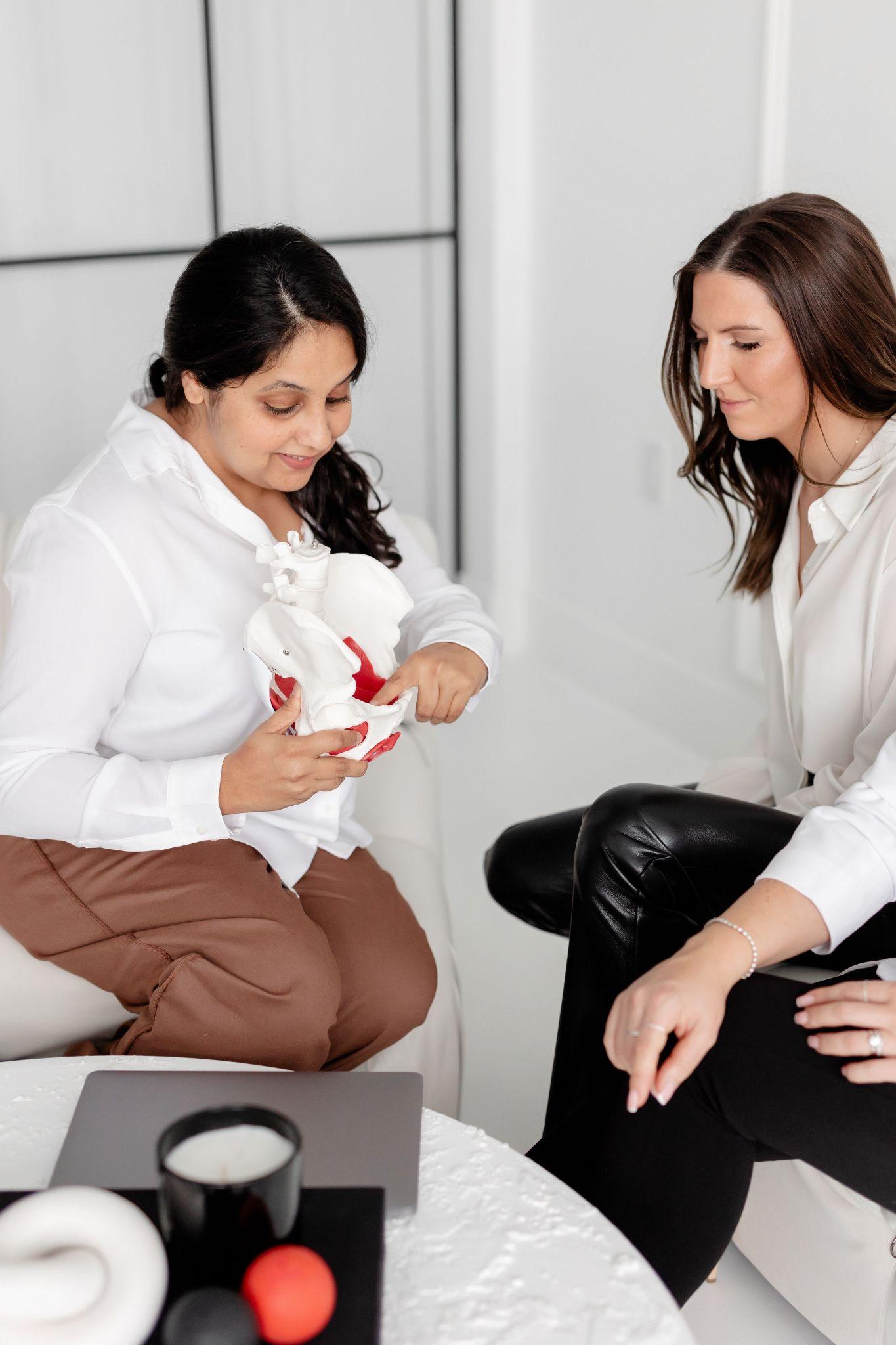
The pelvic floor is a group of muscles, ligaments, and connective tissues located at the base of the pelvis. These muscles help support the bladder, bowel, and reproductive organs while also playing an important role in:
- Bladder control
- Bowel function
- Core stability
- Sexual health
- Postpartum recovery
- Everyday movement and exercise
When these muscles become weakened, overly tight, or uncoordinated, symptoms can develop that impact quality of life.
Why Pelvic Floor Issues Are More Common Than Many People Realize
Research suggests that pelvic floor dysfunction affects millions of women worldwide. According to the National Institutes of Health, urinary incontinence alone affects up to 50% of adult women at some point in their lives.
Pregnancy, childbirth, menopause, aging, surgery, chronic constipation, heavy lifting, and high-impact exercise can all contribute to changes in pelvic floor function.
Although these conditions are common, they are not necessarily normal. Many symptoms can improve with appropriate assessment and treatment.
Signs You Shouldn’t Ignore
The following symptoms may indicate it’s time to see a pelvic floor specialist.
1. Bladder Leaks During Everyday Activities
Do you leak urine when you:
- Laugh?
- Cough?
- Sneeze?
- Jump?
- Run?
- Lift something heavy?
Many women dismiss occasional leakage as a normal part of motherhood or aging. However, bladder leakage is often a sign that the pelvic floor needs support.
Seeking bladder leakage treatment in Oakville or Burlington early may help prevent symptoms from worsening over time.
2. Frequent Urgency to Use the Bathroom
Feeling like you constantly need to find the nearest restroom can interfere with work, travel, exercise, and social activities.
Signs include:
- Sudden strong urges to urinate
- Frequent bathroom visits
- Difficulty holding urine
- Waking multiple times during the night
A pelvic floor assessment can help identify underlying causes and guide appropriate treatment options.
3. Persistent Pelvic Pain
Pain in the pelvic region is never something you should ignore.
Symptoms may include:
- Aching or pressure in the pelvis
- Discomfort when sitting
- Lower abdominal pain
- Pain during exercise
- Pain during intimacy
Pelvic pain can have many causes, including muscle tension, weakness, scar tissue, or coordination issues. A pelvic floor specialist can help determine what may be contributing to your symptoms.
4. Postpartum Recovery Isn’t Progressing as Expected
Every postpartum journey is different. However, if symptoms continue for weeks or months after childbirth, professional support may be beneficial.
Common concerns include:
- Pelvic heaviness
- Core weakness
- Ongoing bladder leakage
- Pain after delivery
- Difficulty returning to exercise
- Feeling disconnected from your core muscles
Many people who give birth benefit from working with a women’s pelvic health physiotherapy provider during recovery.
For women seeking a postpartum recovery clinic in Burlington or Oakville, early intervention can help restore function and confidence.
5. Diastasis Recti That Doesn’t Improve
Diastasis recti is the separation of the abdominal muscles that commonly occurs during pregnancy.
Signs may include:
|
Common Symptoms of Diastasis Recti |
|
|
Visible abdominal gap |
Core weakness |
|
Lower back discomfort |
Poor posture |
|
Difficulty lifting or exercising Curious how this works in practice? Reach out to the Corelife Wellness team for a free consultation. |
Feeling unsupported through the midsection |
Because the core and pelvic floor work together, untreated diastasis recti can contribute to additional pelvic floor concerns.
Individuals seeking diastasis recti treatment in Ontario often benefit from a combination of pelvic floor physiotherapy and core rehabilitation programs.
6. A Feeling of Heaviness or Pressure
Some women describe feeling:
- A pulling sensation
- Pressure in the pelvis
- A feeling that something is “falling” downward
These symptoms may become more noticeable after standing for long periods, exercising, or at the end of the day.
While not always serious, persistent pelvic pressure should be assessed by a qualified pelvic floor specialist.
7. Difficulty Returning to Exercise
Many active women are surprised when returning to fitness feels more difficult after childbirth or during perimenopause.
You may notice:
- Core instability
- Back discomfort
- Leakage during workouts
- Reduced strength
- Difficulty generating power
A pelvic floor assessment can help identify movement patterns and muscle imbalances that may be limiting performance.
Pelvic Floor Changes During Perimenopause
Perimenopause brings significant hormonal shifts that can affect pelvic floor health.
Changes in estrogen levels may contribute to:
- Bladder urgency
- Increased leakage
- Reduced tissue support
- Pelvic discomfort
- Changes in sexual health
Women in their 40s and 50s often assume these changes are unavoidable. However, pelvic floor physiotherapy can play an important role in maintaining strength, function, and quality of life throughout this stage.
Treatment Options Available at Corelife Wellness
At Corelife Wellness, treatment plans are tailored to each individual’s goals and symptoms.
Services may include:
Pelvic Floor Physiotherapy
Pelvic floor physiotherapy focuses on:
- Muscle assessment
- Strength training
- Coordination exercises
- Breathing strategies
- Core rehabilitation
- Education and lifestyle guidance
Women seeking pelvic floor physiotherapy in Oakville and surrounding communities often benefit from personalized treatment plans that address the root cause of symptoms.
Emsella for Bladder Control
Emsella is a non-invasive treatment designed to stimulate pelvic floor muscles using high-intensity focused electromagnetic technology.
Many women explore Emsella in Oakville as part of their bladder control and pelvic health journey.
Venus Ab Rehab
Venus Ab Rehab uses advanced muscle stimulation technology to support core rehabilitation and recovery.
Women experiencing abdominal weakness or seeking support for diastasis recti recovery may explore Venus Ab Rehab in Canada as part of a comprehensive treatment plan.
Personalized Women’s Wellness Support
Every woman’s body, recovery experience, and goals are unique. Personalized care can help create a realistic path toward improved strength, function, and confidence.
Why Early Assessment Matters
One of the biggest misconceptions about pelvic floor dysfunction is that symptoms must become severe before treatment is worthwhile.
In reality, early intervention often helps:
- Prevent worsening symptoms
- Improve recovery timelines
- Restore confidence sooner
- Support long-term pelvic health
- Help women stay active and independent
Addressing concerns early can make daily life more comfortable and help maintain participation in the activities you enjoy.
Scientific Evidence Supporting Pelvic Floor Therapy
Research continues to support pelvic floor muscle training as a first-line treatment for many pelvic floor conditions.
A review published in the Cochrane Database of Systematic Reviews found that pelvic floor muscle training significantly improves symptoms of urinary incontinence in women.
Similarly, clinical guidelines from organizations such as the American College of Obstetricians and Gynecologists recognize pelvic floor rehabilitation as an important component of postpartum and women’s health care.
These findings reinforce the value of evidence-based approaches that focus on restoring strength, coordination, and function.

Take the First Step Toward Feeling Stronger
If you are experiencing bladder leaks, pelvic discomfort, core weakness, or challenges during postpartum or perimenopausal recovery, you do not have to navigate those concerns alone.
At Corelife Wellness, women throughout Oakville, Burlington, and the Halton Region receive compassionate, science-backed care designed to help them regain confidence and control.
Whether you’re looking for pelvic floor physiotherapy in Oakville, bladder leakage treatment, diastasis recti treatment in Ontario, or support through postpartum recovery, professional guidance can make a meaningful difference.
Book Your Free Consultation today at https://corelifewellness.ca/ and learn how personalized pelvic health care can support your goals.
Ready to explore your treatment options? Reach out at www.corelifewellness.ca/contact and we’ll walk you through it.